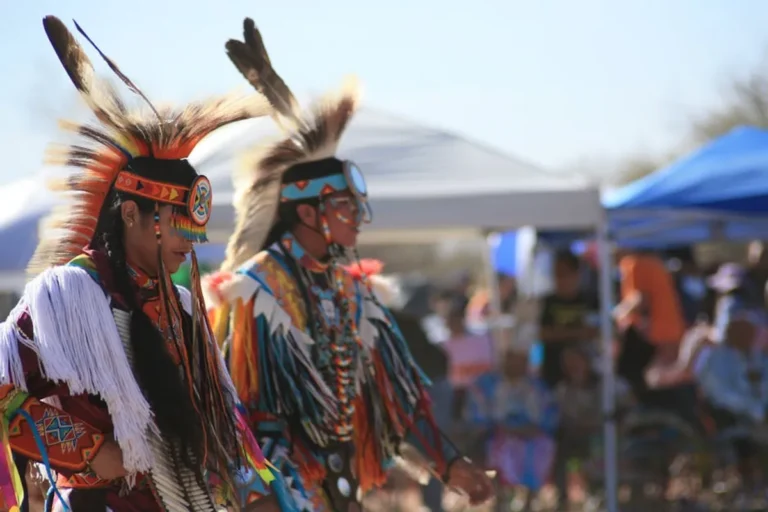

Native American earrings represent a rich tapestry of cultural expression, craftsmanship, and material artistry. For those seeking to acquire these distinctive pieces, understanding the popular styles and the materials used is essential for appreciating their heritage and making an informed selection. The diversity across tribes and regions means each pair often tells a unique story, reflecting centuries of tradition, spiritual beliefs, and aesthetic preferences. This guide explores the foundational elements of Native American earring design, from iconic silhouettes to the significance of their constituent materials, helping buyers navigate the options with greater insight.
Understanding Native American Earring Traditions
The creation of Native American earrings is deeply rooted in tribal histories, spiritual practices, and the natural resources available to different communities. These pieces are not merely adornments but often carry symbolic meanings, representing protection, prosperity, or connection to the land and ancestral spirits. The techniques and designs have evolved over generations, yet many traditional methods persist, contributing to the unique character of each piece.
Regional and Tribal Variations
The vast geographic and cultural landscape of Native America has given rise to distinct earring traditions. The Southwest, for instance, is renowned for its silversmithing and intricate stonework, largely influenced by Navajo, Zuni, and Hopi artisans. The Plains tribes often incorporate beadwork and natural elements like porcupine quills and feathers, while Pacific Northwest Coast art features intricate carving and engraving in wood and shell. Recognizing these regional nuances helps in understanding the stylistic origins and specific craftsmanship inherent in different earrings.
The Significance of Materials
Materials in Native American jewelry are rarely chosen for aesthetics alone. Each stone, shell, metal, or natural element often holds cultural or spiritual significance. Turquoise, for example, is revered across many tribes for its protective qualities and association with the sky and water. Silver, introduced later, became a medium for expressing intricate designs and showcasing precious stones, while shells and animal parts connect the wearer to the natural world and specific animal spirits. The combination of these materials is often deliberate, creating a harmonious balance of form and meaning.
Popular Native American Earring Styles
While an exhaustive list of styles is impossible due to the sheer diversity of Native American artistry, several prominent designs are widely recognized and sought after.
Squash Blossom Earrings
Originating primarily from the Navajo tradition, Squash Blossom earrings are characterized by their distinctive "naja" (a crescent-shaped pendant) and stylized "squash blossom" beads that resemble the flower of a squash plant. These are typically crafted from sterling silver, often adorned with turquoise stones. The naja symbol itself has ancient origins, believed to offer protection. These earrings are often part of a larger necklace set but are frequently sold independently.
Commonly associated with: Navajo craftsmanship
Fetish Earrings
Fetish earrings are a hallmark of Zuni artistry, featuring small, hand-carved animal figures. These "fetishes" are believed to embody the spirit of the animal they represent, offering qualities like strength (bear), wisdom (owl), or long life (turtle). The carvings are often made from various stones like turquoise, jet, coral, or mother-of-pearl, and are frequently inlaid into silver settings or strung as dangle earrings.
Distinguishing feature: Miniature animal carvings
Concho Earrings
Concho earrings derive their name from the Spanish word "concha," meaning shell, referring to the rounded or oval silver discs that form their primary design. These silver elements are often stamped, repousséd (hammered from the reverse side to create a raised design), or engraved with intricate patterns. Conchos can be simple silver discs or incorporate central stones, most often turquoise. They are frequently seen as dangle or stud earrings.
Key characteristic: Silver discs with decorative metalwork
Dangle and Drop Earrings
This broad category encompasses a vast array of designs where elements hang freely from the earlobe. Native American dangle and drop earrings can feature multiple strands of beads, feathers, stones, or intricately crafted silver components. They offer significant movement and often showcase elaborate combinations of materials and techniques, from delicate heishi bead strings to dramatic silver and stone arrangements.
Versatility: Wide range of materials and lengths
Hoop Earrings
While hoop earrings are a universal style, Native American interpretations often incorporate traditional elements. These can range from simple silver hoops adorned with a single turquoise bead or small fetish charm to more elaborate designs featuring intricate silverwork, delicate bead weaving around the hoop, or small dangling elements integrated into the circular form. They offer a classic silhouette with a cultural accent.
Traditional touch: Classic form with indigenous embellishments
Common Materials in Native American Earring Craft
The selection of materials is central to the aesthetic and cultural value of Native American earrings.
Sterling Silver
Sterling silver (92.5% pure silver) is the dominant metal in Southwestern Native American jewelry. Its malleability allows for diverse techniques such as:
- Stamping: Creating patterns by pressing metal stamps into the silver.
- Repoussé: Hammering designs from the back to create raised relief.
- Chasing: Detailing designs on the front of the metal.
- Casting: Pouring molten silver into molds, often for more intricate or uniform pieces.
- Filigree: Creating delicate, lacelike patterns with fine silver wire.
The quality of the silverwork, including the precision of stamping and the integrity of settings, significantly impacts the earring's overall value and durability.
Turquoise
Turquoise is arguably the most iconic stone in Native American jewelry. Its color ranges from sky blue to green, often with a matrix (the host rock visible as veins or splotches) that adds character. Different mines produce turquoise with distinct characteristics:
- Sleeping Beauty (Arizona): Known for its solid, robin's egg blue with little to no matrix.
- Kingman (Arizona): Offers a wide range of blues, often with black matrix.
- Royston (Nevada): Characterized by its beautiful green and blue hues with a distinct brown matrix.
- Morenci (Arizona): Famous for its deep blue with a "pyrite" matrix, appearing as shiny silver flecks.
The value of turquoise is influenced by its color, hardness, and the presence and pattern of its matrix.
Shell and Heishi
Shells, including mother-of-pearl, abalone, and spiny oyster, are frequently used for their iridescent qualities and natural colors. Heishi beads, traditionally made from ground and polished shells or stones, are small, disc-shaped beads often strung together to create delicate necklaces or incorporated into dangle earrings, particularly by Santo Domingo Pueblo artisans.
Coral and Jet
Red coral, often sourced from the Mediterranean, provides a vibrant contrast to silver and turquoise. Jet, a dense, black fossilized wood, is polished to a high sheen and frequently used for inlay work or as a striking standalone element, particularly by Zuni and Navajo artists, where its deep black provides a dramatic backdrop for other stones.
Other Natural Elements
Beyond these core materials, Native American earrings can incorporate a variety of other natural elements. Lapis lazuli (deep blue), malachite (banded green), and onyx (black) are often used for their striking colors. Feathers from specific birds, wood, and even porcupine quills are integrated into designs, especially in non-Southwestern traditions, adding texture and symbolic meaning.
Identifying Authentic Craftsmanship
Pro Tip: When evaluating Native American earrings, look for hallmarks or artist signatures, which often indicate authenticity and tribal affiliation. Genuine pieces reflect traditional techniques like hand-stamping, repoussé, or precise stone cutting and setting, rather than mass-produced uniformity. Slight imperfections in handmade items can be a sign of true artisan work, differentiating them from factory-made reproductions.
Authenticity is paramount when acquiring Native American jewelry. Beyond signatures, the quality of the materials, the precision of the stone setting (e.g., tight bezels, smooth inlay), and the integrity of the silverwork are key indicators. Traditional pieces often exhibit a certain "heft" and a unique character that comes from hand-tooling, distinct from lightweight, mass-produced items.
Making an Informed Selection
Choosing Native American earrings is a personal journey that benefits from understanding the artistry and cultural context behind each piece. Consider the tribal origin, the specific style, and the materials used, as these elements contribute to the earring's narrative and aesthetic appeal. Whether drawn to the bold statement of Navajo squash blossoms, the intricate carvings of Zuni fetishes, or the subtle elegance of heishi, an informed selection ensures a deeper appreciation for these wearable works of art. Each pair is more than an accessory; it is a piece of living history, a testament to enduring craftsmanship, and a connection to rich cultural heritage.
Frequently Asked Questions
How can I tell if Native American earrings are authentic?
Authenticity indicators include artist signatures or hallmarks (often stamped on the silver), tribal affiliation information, the quality of materials (e.g., natural turquoise, sterling silver), and evidence of traditional handcrafting techniques rather than machine-made uniformity.
What is the significance of turquoise in Native American jewelry?
Turquoise holds deep cultural and spiritual significance, often associated with protection, good fortune, health, and connection to the sky and water. Its use is widespread across many tribes, particularly in the Southwest.
Are all Native American earrings made of silver?
While sterling silver is very common, especially in Southwestern traditions, Native American earrings are also crafted from a variety of other materials, including shells, beads, wood, feathers, copper, and other natural elements, depending on tribal traditions and available resources.
How should I care for my Native American earrings?
Store earrings in a dry place, ideally in a cloth pouch, to prevent tarnishing and scratching. Clean silver with a soft polishing cloth specifically designed for jewelry. Avoid harsh chemicals, prolonged exposure to moisture, and direct sunlight, especially for pieces with delicate stones or organic materials like feathers.