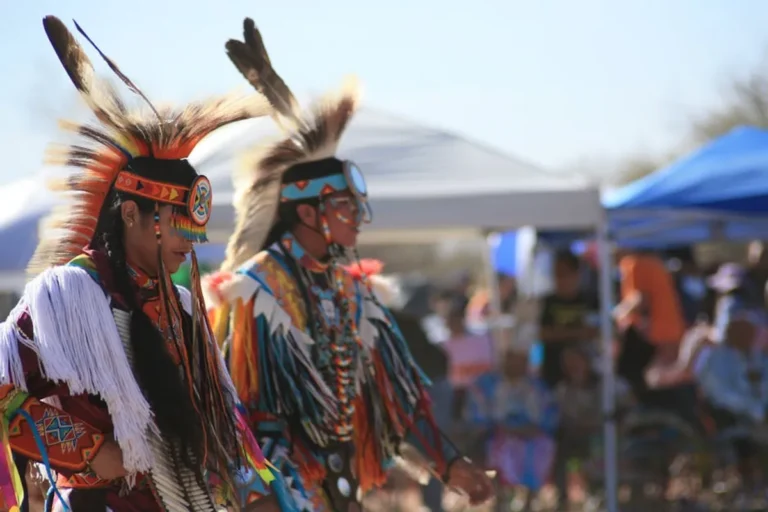

Native American dangle earrings represent more than just adornment; they embody centuries of cultural heritage, artistic tradition, and skilled craftsmanship. Selecting a pair involves appreciating their origin, understanding the materials, and knowing how to integrate them respectfully into a personal style. This guide provides a framework for informed choices, ensuring you recognize genuine artistry and wear these pieces with confidence and appropriate regard.
Understanding Authenticity and Craftsmanship
The value and significance of Native American dangle earrings often stem directly from their authenticity. This refers not only to the materials used but, more critically, to the hands that crafted them and the cultural context they represent. Genuine pieces are typically handmade by Native American artists, reflecting specific tribal traditions and individual artistic expression.
Identifying Genuine Artisan Work
Authenticity is a primary concern when acquiring Native American jewelry. Look for hallmarks or signatures etched into the silver or other metal, which identify the artist or the workshop. Reputable dealers often provide certificates of authenticity or detailed provenance information, including the artist's tribal affiliation. Avoid pieces that are vaguely labeled "Southwestern style" without specific artist or tribal attribution, as these may be mass-produced imitations lacking cultural connection and quality.
Pro Tip: When purchasing, prioritize transparency. Ask about the artist's background, the materials' origin, and the specific tribal traditions influencing the design. A knowledgeable seller will readily provide this information, reinforcing the piece's authenticity and value.
Common Materials and Techniques
Native American dangle earrings are crafted using a range of materials, each contributing to their distinct aesthetic and cultural narrative. Sterling silver is a predominant metal, often hand-stamped, chiseled, or used in overlay techniques where two layers of silver are cut and soldered together. Stones like turquoise, coral, lapis lazuli, onyx, and mother-of-pearl are frequently inlaid or set in bezels. Each stone often carries symbolic meaning within various Native cultures.
- Turquoise: Highly prized, appearing in shades from sky blue to deep green, often with a matrix (veining) that indicates its origin. Different mines produce distinct turquoise characteristics.
- Coral: Typically red or orange, used for its vibrant color contrast and cultural significance.
- Mother-of-Pearl & Abalone: Iridescent shells used for their natural sheen and ability to catch light.
- Jet & Onyx: Deep black stones providing a striking contrast against silver and other colorful gems.
Techniques vary widely. Navajo artists are renowned for their silversmithing, often featuring heavy gauge silver and intricate stamp work. Zuni artisans are known for their precise inlay work, where small, hand-cut stones are fitted together to create intricate patterns. Hopi jewelry frequently employs an overlay technique, creating striking designs through contrasting oxidized and polished silver layers.
Stylistic Elements and Regional Variations
The visual impact of Native American dangle earrings comes from their diverse designs, which often reflect regional and tribal artistic traditions. Understanding these elements helps in selecting pieces that resonate with specific aesthetic preferences and cultural appreciation.
Iconic Designs and Motifs
Many designs are rooted in deep cultural symbolism. Feathers, often associated with spiritual freedom and honor, are a common motif, either stylized in metal or incorporated as actual feathers. Sun symbols, arrows, geometric patterns, and animal figures (like bears or eagles) also appear frequently, each carrying specific meanings related to nature, protection, or tribal history. The squash blossom, while more common in necklaces, can sometimes be adapted into earring designs, symbolizing fertility and abundance.
Material Choices and Their Aesthetic Impact
The choice of materials directly influences the earring's overall look and feel. A pair of large turquoise and silver dangle earrings offers a bold, earthy statement, often associated with Southwestern aesthetics. Conversely, delicate inlay work using multiple small stones (like Zuni petit point or needlepoint) creates a more refined, intricate appearance. Coral accents introduce a vivid color pop, while abalone or mother-of-pearl provide a softer, iridescent glow.
Best for:
- Bold Statements: Large turquoise stones set in heavy sterling silver.
- Subtle Elegance: Smaller, intricate inlay designs or pieces featuring delicate silverwork.
- Color Infusion: Earrings incorporating coral, lapis, or multi-stone arrangements.
Dangle Lengths and Movement
Dangle earrings, by definition, feature elements that hang and move below the earlobe. Lengths vary significantly, from short drops that barely clear the jawline to elaborate, shoulder-grazing designs. The movement of the dangles adds dynamic interest, catching light and drawing attention. Longer dangles tend to create a more dramatic effect and can elongate the neck, while shorter ones offer a more understated elegance. Consider the overall balance with your facial structure and preferred hairstyle.
Pairing Native American Dangle Earrings with Outfits
Integrating Native American dangle earrings into your wardrobe requires thoughtful consideration to ensure they enhance your ensemble without overshadowing it, and are worn with respect for their cultural origins.
Everyday Wear: Casual Integration
For casual settings, pair simpler, mid-length dangle earrings with everyday attire. Think denim, plain t-shirts, or relaxed linen shirts. The earrings can serve as a focal point without overwhelming the simplicity of the outfit. Silver pieces with a single turquoise stone or understated geometric designs are particularly versatile for daily wear. The goal is to add a touch of character and cultural appreciation to an otherwise straightforward look.
Formal Occasions: Elevating an Ensemble
Larger, more ornate Native American dangle earrings can elevate a formal outfit. Consider pairing them with solid-colored dresses or sophisticated separates that allow the jewelry to stand out. An elegant black dress, for example, provides a neutral canvas for a pair of striking silver and multi-stone earrings. The key is to let the earrings be the primary statement piece, keeping other accessories minimal.
Complementing Necklines and Hairstyles
The length and style of your dangle earrings should complement your neckline and hairstyle.
A longer dangle earring pairs well with higher necklines (like turtlenecks or crew necks) or V-necks, as they draw the eye downwards and create balance. For open necklines (scoop necks, strapless), shorter or medium-length dangles can be effective. If wearing your hair up, longer, more elaborate earrings can become a focal point, showcasing their intricate details. With hair down, opt for earrings that are substantial enough to be seen through your hair, or choose a length that clears your hair to prevent tangling and ensure visibility.
Care and Maintenance for Longevity
Proper care ensures your Native American dangle earrings retain their beauty and integrity for years. Given the natural materials often used, specific cleaning and storage practices are essential.
Cleaning Specific Materials
Sterling silver will naturally tarnish over time. Use a soft polishing cloth specifically designed for silver to gently remove tarnish. For more stubborn discoloration, a mild silver cleaning solution can be used sparingly, but always ensure it is safe for any stones present. Many natural stones, especially turquoise, are porous and can be damaged by harsh chemicals, ultrasonic cleaners, or even prolonged exposure to water. Avoid submerging stone-set jewelry in liquid cleaners. Instead, wipe stones gently with a soft, damp cloth and dry immediately.
Storage Best Practices
Store dangle earrings in a dry, cool place away from direct sunlight and humidity. An airtight jewelry box or individual soft pouches can prevent tarnishing and protect stones from scratches. Separate each pair to prevent tangling, especially for longer, more delicate designs, and to avoid scratching softer stones with harder metals.
Practical Considerations for Selection
When choosing Native American dangle earrings, prioritize authenticity and craftsmanship. Purchase from reputable sources that can verify the artist's heritage and the materials used. Consider the versatility of the piece: will it complement existing wardrobe items? Does its style align with your personal aesthetic? Finally, invest in pieces that resonate with you on a deeper level, recognizing the artistry and cultural narrative embedded in each unique design. These are not merely accessories; they are wearable art with a story.
Frequently Asked Questions
How can I verify the authenticity of Native American jewelry?
Look for artist hallmarks or signatures, ask for certificates of authenticity or provenance from reputable dealers, and inquire about the artist's tribal affiliation and the specific techniques used. Avoid generic "Southwestern style" labels without further detail.
Is it appropriate to wear Native American jewelry if I am not Native American?
Yes, it is generally considered appropriate to wear Native American jewelry. The key is to do so respectfully, appreciating the artistry and cultural heritage without appropriating it. Purchase from authentic Native American artists or businesses to support their communities and ensure genuine craftsmanship.
How should I clean turquoise earrings without damaging the stones?
Turquoise is porous and sensitive to chemicals. Clean silver components with a soft polishing cloth. For the turquoise, gently wipe with a soft, slightly damp cloth and dry immediately. Avoid harsh detergents, ultrasonic cleaners, and prolonged water exposure.
What is the difference between Navajo and Zuni jewelry styles?
Navajo jewelry is often characterized by heavier gauge silver, intricate stamp work, and larger, often single-stone settings. Zuni jewelry is known for its intricate inlay work, where small, precisely cut stones (like petit point or needlepoint) are fitted together to create mosaic-like patterns, often featuring multiple stones in a single piece.