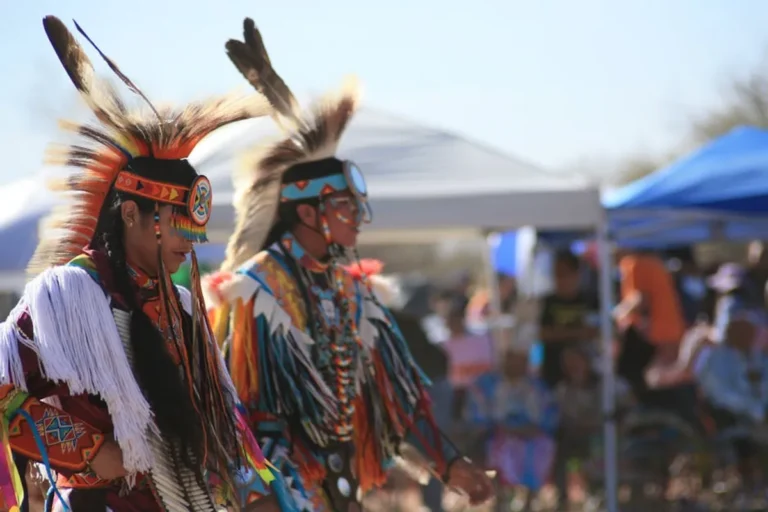

Purchasing Native American coral earrings involves more than aesthetic appeal; it requires understanding the materials, appreciating the craftsmanship, and verifying authenticity. These pieces are often cultural expressions, carrying the legacy of skilled artisans. A discerning buyer focuses on provenance, the quality of the coral, the integrity of the metalwork, and the specific artistic traditions represented. This guide outlines the key considerations to ensure a confident and informed acquisition.
Verifying Authenticity and Provenance
The primary concern when acquiring Native American jewelry is ensuring its authenticity. Genuine pieces are crafted by enrolled members of federally or state-recognized Native American tribes, or by certified Native American artisans. The Indian Arts and Crafts Act of 1990 prohibits misrepresentation of goods as Native American made, providing a legal framework for consumer protection. Look for clear indicators of origin to avoid mislabeled or mass-produced items.
Artist Signatures and Hallmarks
Many reputable Native American jewelers sign their work, often with an etched signature, hallmark, or a unique stamp. These marks frequently include the artist's initials, full name, or a symbol representing their tribe or family. While not all authentic pieces are signed, especially older or very small items, the presence of a signature, particularly from a well-known artist, adds significant value and verifiable provenance. Researching the artist and their tribal affiliation is a critical step in confirming authenticity.
Pro Tip: When purchasing, always request documentation or a certificate of authenticity from the seller that confirms the artisan's tribal affiliation. Reputable galleries and dealers will readily provide this information, linking the piece directly to its cultural origin and creator.
Understanding Coral Types and Sourcing
Coral used in Native American jewelry varies, but the most common is precious coral (Corallium rubrum), often referred to as Mediterranean or Sardinian coral. Its vibrant red-orange hues are naturally occurring and highly prized. Other types, such as sponge coral, are sometimes used and may be dyed to achieve a similar color. Distinguishing between natural, untreated coral and treated or synthetic alternatives is crucial for understanding the value and integrity of the piece.
- Precious Coral (Corallium Rubrum): Characterized by its dense structure and rich, natural red-orange to deep red color. It takes a high polish and exhibits natural growth patterns or pores visible under magnification. This coral is typically sourced from the Mediterranean Sea.
- Sponge Coral: A porous, often lighter-colored coral that is frequently stabilized and dyed to mimic precious coral. It is less dense and, if untreated, would have a spongy, irregular texture. Dyed sponge coral can fade over time or react poorly to chemicals.
- Bamboo Coral: Another type of coral that is commonly bleached and dyed red or orange to resemble precious coral. It is characterized by distinct growth nodes and a less uniform texture than precious coral.
Always inquire about the specific type of coral used and whether it has been treated or dyed. Natural, untreated precious coral commands a higher value due to its rarity and inherent beauty.
Metalwork and Craftsmanship
The vast majority of Native American coral earrings are crafted from sterling silver (.925), a durable alloy consisting of 92.5% pure silver and 7.5% other metals, typically copper. Gold is less common but can be found in contemporary pieces. The quality of the silverwork, including the gauge of the metal, the precision of the settings, and the overall finish, significantly impacts the earring's durability and aesthetic appeal.
Traditional Silversmithing Techniques
Native American jewelers employ a range of traditional techniques that showcase their skill and cultural heritage. These methods are labor-intensive and contribute to the uniqueness of each pair of earrings:
- Bezel Setting: Coral cabochons are typically secured with a thin strip of silver wrapped tightly around the stone's edge, holding it in place. A well-executed bezel is smooth, even, and securely holds the coral without gaps.
- Inlay: Small, precisely cut pieces of coral (often combined with other stones like turquoise or jet) are fitted together and polished flush with the silver surface. This technique, particularly intricate in Zuni and Navajo work, requires exceptional precision.
- Cluster Work: Small, often teardrop-shaped coral pieces are arranged in a floral or geometric pattern around a central stone or silver element. Zuni artisans are renowned for their delicate needlepoint and petit point cluster designs.
- Stamping and Repoussé: Decorative patterns are impressed into the silver using hand-carved stamps or by hammering the metal from the reverse side to create raised designs. These techniques add texture and visual interest to the silver framework.
Examine the reverse side of the earrings for clean finishing, indicating attention to detail. Sloppy solder joints, rough edges, or uneven settings suggest lower quality craftsmanship.
Common Styles and Designs
Native American coral earrings come in a diverse array of styles, often reflecting the specific artistic traditions of different tribes. Understanding these styles can help narrow your search and appreciate the cultural significance of your chosen piece.
- Dangle Earrings: These are the most common, featuring coral elements suspended from an ear wire or post, allowing for movement. Designs range from simple single drops to elaborate multi-stone arrangements.
- Stud Earrings: Smaller and more understated, studs feature a coral cabochon or a small cluster set directly onto a post.
- Hoop Earrings: Silver hoops adorned with coral beads, small bezel-set stones, or inlaid designs.
- Cluster Earrings: Highly detailed earrings, often associated with Zuni artisans, where numerous small, precisely cut coral pieces are arranged in intricate patterns. These can be petite point (very small, round or oval stones) or needlepoint (thin, elongated stones).
- Inlay Earrings: Featuring coral meticulously cut and set into a silver channel alongside other stones, creating a mosaic-like effect.
Consider the size, weight, and overall design in relation to your personal style and comfort. Some larger, more elaborate pieces can be heavy, so check the earring backs for secure closures.
Care and Maintenance for Longevity
Coral is a relatively soft, organic material (Mohs hardness of 3-4) and requires careful handling. Silver, while more durable, can tarnish. Proper care ensures your earrings retain their beauty for generations.
Cleaning: Use a soft, damp cloth to gently wipe coral. Avoid harsh chemicals, ultrasonic cleaners, and abrasive materials, as these can damage the coral's surface or cause dyes (if present) to leach. For silver, use a jeweler's polishing cloth specifically designed for sterling silver. Avoid polishing directly over coral settings, as polishing compounds can leave residue or scratch the coral.
Storage: Store coral earrings separately from other jewelry to prevent scratching. Keep them in a soft pouch or a lined jewelry box, away from direct sunlight, extreme temperatures, and humidity. These conditions can cause coral to dry out, fade, or become brittle.
Wear: Apply perfumes, hairsprays, and lotions before putting on your coral earrings, as chemicals can dull the coral's luster or cause discoloration. Remove earrings before swimming, showering, or engaging in strenuous activities.
Making an Informed Purchase
Acquiring Native American coral earrings is an investment in art, culture, and craftsmanship. Prioritize reputable sellers who can provide detailed information about the artist, tribal affiliation, and materials. Ask specific questions about the coral's origin and treatment, and inspect the metalwork for quality and traditional techniques. By focusing on authenticity, material integrity, and skilled artistry, you can select a pair of earrings that not only enhances your collection but also honors a rich cultural heritage.
Frequently Asked Questions
What is the difference between "natural" and "treated" coral?
Natural coral refers to pieces that are simply cut and polished, retaining their inherent color and texture without any chemical alteration. Treated coral, such as dyed sponge coral or bamboo coral, has undergone processes to enhance or change its color or stability. Untreated precious coral is generally more valuable.
How can I tell if the coral is real?
Genuine precious coral often has subtle variations in color and may show natural growth lines or tiny pores when viewed under magnification. It feels dense and smooth. Imitations like plastic or glass will often feel lighter, warmer to the touch, and may show mold lines or air bubbles. A small drop of acetone on an inconspicuous spot (if permissible by the seller) will not harm natural coral but can damage dyed or plastic imitations.
Are Native American coral earrings ethical to purchase?
When you purchase authentic Native American coral earrings from reputable sources, you are directly supporting Native American artists and their communities, helping to preserve traditional art forms and cultural heritage. The ethical consideration for the coral itself depends on sourcing; responsible jewelers use coral harvested according to international regulations, often from sustainable or regulated sources. Always inquire about the seller's sourcing practices.