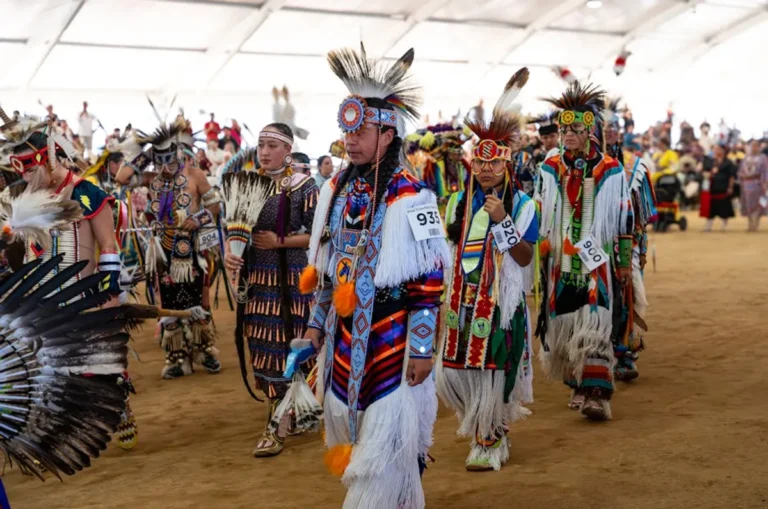

Native American beaded gloves represent a convergence of artistry, cultural legacy, and historical documentation. For collectors, researchers, or those seeking to understand the depth of Indigenous material culture, these items offer more than aesthetic appeal; they are tangible narratives of tribal identity, skill, and adaptation. Understanding their historical trajectory and the elements that define their market value requires a nuanced appreciation for both the craftsmanship involved and the cultural contexts from which they emerged.
Historical Roots of Native American Beadwork
The tradition of adorning garments and accessories with intricate designs predates European contact in North America. Early embellishments primarily utilized natural materials such as porcupine quills, shells, bone, seeds, and animal teeth. These materials were meticulously prepared and applied through techniques like quilling, where flattened quills were dyed and sewn onto hide or birchbark in geometric patterns.
The introduction of glass trade beads by European merchants in the 17th century marked a significant shift. Initially, larger "pony beads" were common, followed by smaller "seed beads" in the 19th century. These new materials, available in a vibrant spectrum of colors, revolutionized Native American adornment. While glass beads offered new artistic possibilities, the underlying design principles and cultural significance often remained rooted in pre-contact traditions. The shift from quills to beads was not merely a material change but an artistic evolution, allowing for finer detail and more complex pictorial representations.
Regional Styles and Techniques
Beaded gloves are found across numerous Native American cultures, each developing distinct styles influenced by available materials, cultural motifs, and traditional practices. These regional differences are critical for identification and appreciation:
- Plains Tribes: Known for their elaborate beadwork on hide, particularly buckskin and elk hide. Designs often feature geometric patterns, floral motifs (especially later influences), and sometimes pictorial representations of animals or ceremonial objects. The lazy stitch, characterized by rows of beads laid across the surface, is a common technique, creating a ribbed texture.
- Plateau Tribes: Often combined floral designs with geometric elements. Their beadwork frequently exhibits a dense, full coverage, utilizing overlay stitch where beads are strung and then individually tacked down, resulting in a smooth, tapestry-like surface.
- Great Lakes/Woodlands Tribes: Emphasized curvilinear floral patterns, often asymmetrical and naturalistic. These designs frequently appear on dark velvet or cloth backgrounds, with beadwork outlining and filling in organic forms. The spot stitch (or overlay stitch) was prevalent, creating a smooth, flowing appearance.
Factors Determining Value and Authenticity
The commercial and cultural value of Native American beaded gloves is multifaceted, extending beyond mere aesthetic appeal. Several key factors influence their significance and market price:
Provenance and Artist Identification
The most crucial aspect of value is often provenance – the documented history of ownership and origin. Gloves with a clear lineage, especially those attributed to a specific tribe, community, or even an individual artist, command higher value. Documentation such as old photographs, museum records, or family histories significantly enhances authenticity and historical weight. Without provenance, identifying specific tribal origins can be challenging, relying heavily on stylistic analysis.
Age and Condition
Older pieces, particularly those from the 19th century or early 20th century, are generally more valuable due to their rarity and historical context. The condition of the gloves – including the integrity of the hide, the completeness of the beadwork, and the vibrancy of the bead colors – directly impacts value. Minor bead loss or hide wear can be acceptable for very old pieces, but extensive damage significantly diminishes worth.
Craftsmanship and Design Complexity
The quality of the beadwork itself is paramount. Factors include:
- Stitch Quality: Evenness, tightness, and consistency of the beadwork.
- Design Intricacy: Complex patterns, fine detail, and harmonious color palettes.
- Material Quality: The type of hide used (e.g., brain-tanned buckskin), the quality of the beads (e.g., older Venetian or Czech glass beads), and any additional embellishments like fringe, fur, or metal cones.
- Uniqueness: One-of-a-kind designs or those reflecting specific historical events or cultural narratives are highly prized.
Pro Tip for Buyers: When evaluating Native American beaded gloves, always prioritize authenticity. Seek items with established provenance, and if purchasing from a dealer, ensure they provide documentation or a clear return policy if authenticity is later questioned. Be wary of pieces with overly bright, uniform bead colors that might indicate modern reproduction, unless explicitly stated as such.
Preserving Heritage and Value
For those who own or wish to acquire Native American beaded gloves, responsible stewardship is essential. Proper storage in a climate-controlled environment, away from direct sunlight and pests, helps preserve their physical integrity. Understanding the cultural significance behind the patterns and materials also contributes to a deeper appreciation and respectful engagement with these objects. Supporting contemporary Native American artists who continue these traditions also plays a vital role in preserving this living art form, ensuring its continuity and evolution.
Frequently Asked Questions
How can I tell if Native American beaded gloves are authentic?
Authenticity is best determined through provenance, tribal identification, and stylistic analysis by experts. Look for signs of age, traditional materials, and hand-stitched beadwork. Modern reproductions often use synthetic materials or machine stitching.
What is the difference between lazy stitch and overlay stitch?
Lazy stitch involves stringing several beads and then tacking the thread down at intervals, creating a ribbed texture. Overlay stitch involves stringing one bead at a time and tacking it down individually, resulting in a smooth, flat surface with full bead coverage.
Do all Native American tribes make beaded gloves?
While many Native American tribes historically engaged in beadwork and created various beaded items, not all tribes traditionally made gloves. The practice was more prominent among Plains, Plateau, and some Woodlands tribes, often adapted from European glove styles.
Where can I learn more about specific tribal beadwork styles?
Museum collections, academic texts on Native American art and ethnography, and reputable cultural institutions are excellent resources for studying specific tribal beadwork styles and their historical contexts.