
Identifying Native American baskets requires a discerning eye, an understanding of traditional craftsmanship, and an appreciation for the cultural narratives woven into each piece. For collectors, researchers, and those interested in cultural heritage, accurate identification moves beyond mere aesthetics, establishing provenance, technique, and historical context. The process involves meticulous examination of construction methods, material choices, design motifs, and the basket's overall form and condition. This detailed approach helps distinguish authentic, historically significant pieces from later reproductions or non-Native crafts, ensuring proper attribution and valuation.
Examining Weaving Techniques and Materials
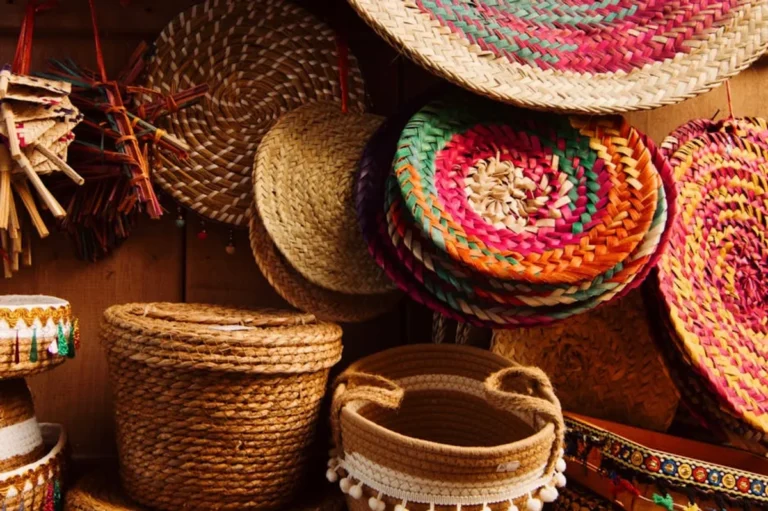
The method of construction is often the most immediate indicator of a basket's origin and tribal affiliation. Three primary techniques dominate Native American basketry: coiling, twining, and plaiting, each with distinct visual and structural characteristics.
Coiling
Coiled baskets are built upon a foundation of bundles or rods, spiraled upwards and stitched together with an awl and sewing material. This technique creates a sturdy, often rigid basket with visible stitches forming patterns on the surface. The number of rods in the foundation (e.g., single rod, three-rod) and the direction of the coil (clockwise or counter-clockwise) can be diagnostic. Materials vary regionally, including sumac, willow, yucca, and various grasses. Tribes like the Pima, Apache, and Mission Indians are renowned for their coiled baskets, often featuring intricate geometric designs.
Twining
Twined baskets are constructed by weaving flexible weft elements (twining strands) around rigid warp elements (uprights). The wefts typically cross in pairs, enclosing the warps. This method results in a more flexible basket, often with a visible texture from the tightly packed twining. The direction of the twining (S-twist or Z-twist) and the number of weft strands used (e.g., plain twining, three-strand twining) provide further clues. Common materials include cedar bark, spruce root, and bear grass. Northwest Coast tribes (e.g., Tlingit, Haida) and some California groups (e.g., Yurok, Karuk) are expert twined basket makers, producing items like burden baskets, hats, and storage containers.
Plaiting
Plaited baskets are characterized by their over-and-under weave, similar to checkerboard patterns, using relatively flat and wide elements. Both warp and weft elements are typically of the same material and width, resulting in a flexible yet strong structure. This technique is often seen in utility baskets or mats. Materials frequently include cane, splints of wood (like oak or ash), and corn husks. Southeastern tribes (e.g., Cherokee, Chitimacha) are known for their plaited rivercane baskets, often dyed with natural pigments to create complex patterns.
Analyzing Basket Forms and Functions
The shape and intended purpose of a basket also offer significant clues to its origin and cultural context. Different forms evolved to meet specific needs, reflecting the environment and lifestyle of the makers.
Storage Baskets
These baskets are generally robust, often with tight weaves and sometimes fitted lids, designed to protect and preserve food, seeds, or personal belongings. Sizes range from small containers for medicines to large granaries. Their construction prioritizes durability and pest resistance, often featuring thick coils or dense twining. Examples include Apache storage jars and coiled Pima grain baskets.
Gathering Baskets
Designed for harvesting and transport, gathering baskets typically feature open tops and shapes that facilitate carrying, such as conical burden baskets or deep, bowl-shaped berry baskets. Flexibility and strength are key, allowing them to withstand repeated use in the field. Materials like willow, yucca, or cedar bark are common for their resilience. The conical burden basket, often carried with a tumpline across the forehead, is a hallmark of many Southwestern and Californian tribes.
Ceremonial and Gift Baskets
These pieces often exhibit the finest workmanship, with intricate designs, delicate weaves, and sometimes unusual shapes. They are made for specific cultural events, rituals, or as significant gifts, rather than daily utility. Examples include the elaborate wedding baskets of the Navajo, which have a distinct opening or "spirit line," or the finely woven presentation baskets of the Pomo, adorned with feathers and beads.
Deciphering Patterns and Designs
The decorative elements on a basket are rarely purely aesthetic; they often carry symbolic meaning, convey cultural narratives, or represent elements of the natural world important to the maker's tribe.
Geometric Motifs
Common geometric patterns include zigzags, diamonds, triangles, and stepped designs. These are often not abstract but represent natural phenomena like mountains, rivers, lightning, or animal tracks. Understanding the regional vocabulary of these symbols is crucial; a zigzag might represent a snake to one tribe and a river to another.
Figurative Elements
Some baskets depict human figures, animals, birds, or celestial bodies. These can be representations of clan totems, mythological figures, or scenes from daily life. The style of depiction—whether stylized or more naturalistic—can be a strong indicator of tribal origin.
Coloration
The colors used in Native American baskets are often derived from natural dyes, obtained from plants, minerals, or insects. The palette can be a clue to the region and era. For example, the muted reds and browns from cochineal or iron oxide, or the vibrant yellows from rabbit brush, might point to specific tribal traditions. Synthetic dyes indicate a more modern origin, generally post-1880s.
Assessing Age and Provenance
Determining the age and history of a basket involves looking for signs of use and wear, as well as any associated documentation.
Patina and Wear
Genuine age manifests as a natural patina—a subtle sheen or darkening of materials from handling and exposure. Look for wear on rims, bases, and handles consistent with long-term use, but be wary of artificial distressing. Fading of natural dyes can also indicate age, though some modern fakes attempt to replicate this.
Collector Marks and Documentation
Historically, collectors or museums sometimes affixed small labels, numbers, or tags to baskets. These, along with old photographs, invoices, or family histories, can provide invaluable provenance. A well-documented history significantly enhances a basket's authenticity and historical value.
Regional Styles
Each major cultural area and often specific tribes within them developed distinctive basketry styles. Familiarity with these regional characteristics is paramount. For example:
- Southwest: Known for coiled baskets (Apache, Pima, Tohono O'odham) and twined yucca trays (Hopi), often with bold geometric patterns and natural colors.
- California: Diverse, with Pomo feather baskets, intricate coiled utility baskets, and finely twined ceremonial pieces.
- Northwest Coast: Dominated by twined cedar bark and spruce root baskets, often with false embroidery and geometric designs in black and red.
- Great Basin: Coiled willow and sumac baskets, often with simple, strong forms.
- East/Southeast: Plaited rivercane baskets (Cherokee, Chitimacha) and split oak baskets (Choctaw), often featuring checkerboard or diagonal patterns.
Pro Tip: When evaluating a basket, always consider the ethical implications of its acquisition. Ensure the piece was obtained legally and respectfully, especially when dealing with items that may hold sacred or ceremonial significance. Researching the basket's history helps prevent inadvertently supporting illicit trade in cultural artifacts.
Verifying Authenticity and Value
For definitive identification and valuation, especially for rare or significant pieces, consulting an expert is indispensable. Ethnobotanists, museum curators specializing in Native American art, or reputable dealers with decades of experience can provide informed opinions. They can often identify specific tribal groups, approximate dates, and even individual makers based on subtle stylistic nuances. Cross-referencing findings with academic texts, museum collections, and tribal cultural centers further solidifies any identification. Understanding the current market for specific types of baskets, driven by rarity, condition, and provenance, is key to appreciating a basket's full significance.
Frequently Asked Questions
What's the difference between a traditional and a contemporary Native American basket?
Traditional baskets typically use natural, locally sourced materials and techniques passed down through generations, often reflecting specific tribal designs and functions. Contemporary baskets may incorporate modern materials, dyes, or techniques, or adapt traditional forms for artistic expression or new commercial markets while still maintaining cultural connections.
How can I tell if a basket is genuinely old?
Look for signs of consistent wear, a natural patina on materials, and fading of natural dyes. The absence of synthetic materials or dyes (common post-1880s) is also a strong indicator. Documented provenance, such as old collector tags or family histories, provides the most reliable evidence of age.
Are all Native American baskets made from natural materials?
Historically, yes. Traditional Native American baskets are exclusively made from natural materials like willow, sumac, yucca, cedar bark, spruce root, and various grasses. Contemporary artists may sometimes incorporate synthetic elements, but this would typically be noted.
Where can I find reputable resources for further identification?
Museums with significant Native American collections (e.g., Smithsonian National Museum of the American Indian, Heard Museum), university ethnology departments, and specialized auction houses or galleries dealing in Native American art are excellent resources. Academic publications and tribal cultural centers also offer in-depth information.