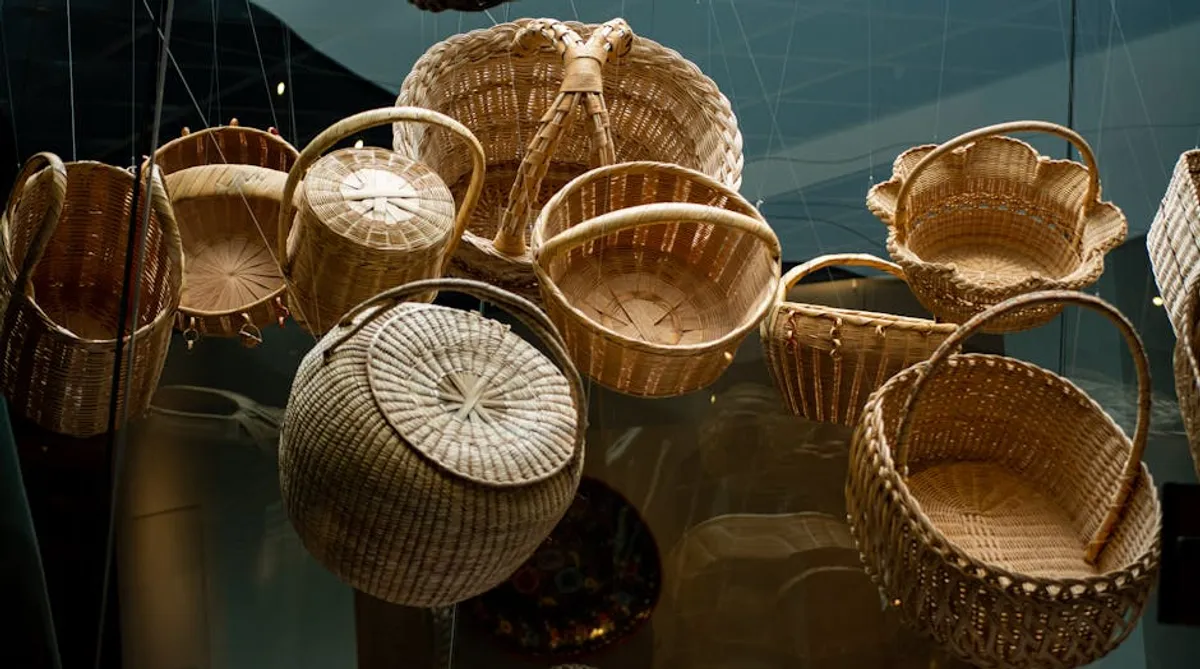
Choctaw baskets represent a significant chapter in Native American artistry, embodying centuries of cultural tradition, skilled craftsmanship, and material ingenuity. For collectors, understanding the nuances of these woven artifacts transcends mere aesthetics; it involves appreciating their historical context, identifying specific patterns, and navigating the practicalities of acquisition and preservation. This guide aims to equip collectors with the foundational knowledge necessary to discern authentic Choctaw baskets, evaluate their condition, and integrate them thoughtfully into a collection, moving beyond surface-level appreciation to a deeper engagement with their cultural and artistic value.
Historical Context and Craftsmanship Foundations
The Choctaw people, originally inhabiting the southeastern United States, developed a distinct basketry tradition primarily utilizing river cane (Arundinaria gigantea). This material's natural strength and flexibility, combined with the artisans' mastery, allowed for the creation of durable and aesthetically complex forms. Early Choctaw baskets served utilitarian purposes—storage, food preparation, and transport—but were always imbued with artistic expression. The continuity of these techniques, often passed down through generations, is crucial for understanding the authenticity and lineage of contemporary and historical pieces.
The preparation of river cane involved splitting, scraping, and often dyeing the strips before weaving. Natural dyes, derived from plants, roots, and minerals, produced a palette of reds, browns, yellows, and blacks, which were then integrated into geometric and symbolic designs. The precision required for consistent strip width and even tension throughout the weaving process is a hallmark of skilled Choctaw basket makers, directly impacting the integrity and visual clarity of the patterns.
Identifying Choctaw Basket Patterns and Weave Structures
The patterns in Choctaw baskets are not merely decorative; they often carry cultural significance and are inextricably linked to the weave structure itself. Recognizing these elements is fundamental for identification.
Common Weave Types
Choctaw basketry predominantly features several key weave types, each contributing to distinct visual and structural properties:
- Double Weave: This complex technique creates a basket with two distinct layers, often of differing colors or patterns, woven simultaneously. The inner and outer layers are connected at the rim, resulting in a strong, finished appearance. This technique allowed for intricate designs on both surfaces and enhanced durability.
- Single Weave: Simpler than the double weave, single weave baskets are constructed from a single layer of cane strips. While structurally less complex, master weavers still achieved remarkable pattern clarity and form.
- Plaited Weave: Characterized by strips passing over and under each other at right angles, creating a checkerboard effect. Variations in strip width and color introduce complexity within this basic structure.
Geometric Motifs
Geometric patterns are central to Choctaw basket design, often appearing in repeating sequences. Key motifs include:
- Diamonds: Formed by manipulating the angles of the cane strips, these can appear as solitary elements or interconnected chains.
- Chevrons and Zigzags: Dynamic V-shaped or undulating lines that create movement across the basket's surface.
- Squares and Rectangles: Often used as foundational blocks for more intricate designs or as borders.
- Crosses: Simple or complex cross patterns hold symbolic weight and are frequently integrated.
Naturalistic and Symbolic Designs
While geometric patterns are prevalent, some Choctaw baskets incorporate designs inspired by the natural world or cultural symbols:
- Animal Figures: Stylized representations of local fauna, such as birds, snakes, or turtles, are less common but highly prized.
- Plant Motifs: Elements like leaves or flowers, often abstracted, can be found, particularly in later periods or specific regional styles.
- "Man in the Coffin" or "Coffin" Pattern: A distinctive, often rectangular or coffin-shaped motif, sometimes interpreted as a representation of a human figure or a spiritual journey. This pattern is a significant identifier for certain Choctaw weaving traditions.
Materials and Construction Clues
The material itself—river cane—provides crucial clues. Look for the natural sheen and flexibility of the cane. Dyes, historically derived from natural sources like black walnut hulls (for black/brown), bloodroot (for red/orange), and butternut bark (for yellow), tend to have a softer, more organic appearance compared to synthetic dyes used in later reproductions. The consistency of the weave, the tightness of the strips, and the evenness of the rim are all indicators of skilled craftsmanship and authenticity.
A Collector's Guide to Choctaw Baskets
Collecting Choctaw baskets requires a systematic approach to ensure authenticity, assess value, and maintain the integrity of each piece.
Assessing Authenticity and Age
Authenticity is paramount. Research known Choctaw weaving families and specific makers if possible. Look for consistent weave patterns, natural dye colors, and the characteristic feel of river cane. Older baskets often show signs of careful use and natural patina, but not necessarily damage. The "Man in the Coffin" pattern is a strong indicator of Choctaw origin, particularly from Mississippi and Louisiana traditions.
Evaluating Condition and Rarity
Condition significantly impacts value. Baskets should ideally have no broken splints, minimal fading, and a stable structure. Minor wear consistent with age is acceptable, but significant damage (e.g., holes, unraveling, extensive loss of cane) diminishes value. Rarity is determined by factors such as the maker's reputation, the complexity of the pattern, the basket's size, and its historical significance. Double-weave baskets, especially those with intricate patterns or unique forms, are often rarer and more sought after.
Understanding Provenance
Provenance, the documented history of ownership, adds immense value and helps authenticate a basket. Records of acquisition, previous collections, or direct lineage from a Choctaw family can confirm a basket's origin and historical context. Always request and verify any available provenance documentation.
Storage and Preservation Best Practices
Proper care ensures the longevity of your collection:
- Store baskets in a stable environment with consistent temperature and humidity to prevent drying out or mold growth.
- Avoid direct sunlight, which can cause irreparable fading of natural dyes.
- Handle baskets minimally and always with clean hands to prevent the transfer of oils and dirt.
- Do not wash or immerse baskets in water; use a soft brush or dry cloth for dusting.
- Support the basket's form if it is fragile, using acid-free tissue paper or custom mounts.
Pro Tip: When evaluating a Choctaw basket, pay close attention to the rim finish. A well-executed, tightly woven rim, often with a braided or wrapped finish, is a strong indicator of quality craftsmanship and authenticity. Sloppy or uneven rims can suggest later repairs or less skilled origins.
Market Value and Acquisition Considerations
The market for Choctaw baskets varies based on the factors outlined above: authenticity, condition, rarity, and provenance. Prices can range significantly, from several hundred to many thousands of dollars for exceptional, well-documented pieces. Collectors typically acquire these baskets through reputable Native American art dealers, specialized auction houses, or directly from Choctaw artisans and their families. Building relationships with knowledgeable experts is crucial for navigating this specialized market effectively and making informed acquisition decisions.
Cultivating Your Choctaw Basket Collection
Building a collection of Choctaw baskets is an endeavor that combines historical appreciation, artistic discernment, and careful stewardship. Begin by educating yourself thoroughly on the distinct patterns, materials, and cultural significance. Prioritize authenticity and condition, always seeking out provenance when available. Engage with established dealers and experts to refine your eye and deepen your understanding. By focusing on quality and context, your collection will not only represent significant artistic achievements but also serve as a tangible link to the enduring cultural heritage of the Choctaw people.
Frequently Asked Questions
What materials are traditionally used in Choctaw basketry?
Traditionally, Choctaw baskets are woven from river cane (Arundinaria gigantea), which is split into strips and often dyed using natural plant-based pigments. Some later or regional variations might incorporate other materials, but river cane remains the primary historical medium.
How can I tell if a Choctaw basket is old or contemporary?
Older baskets often exhibit a natural patina, softer dye colors from organic sources, and signs of careful use. Contemporary baskets may use more vibrant, synthetic dyes or incorporate modern design elements, though many artisans still adhere to traditional methods and materials.
Are all Choctaw baskets double-woven?
No, not all Choctaw baskets are double-woven. While the double-weave technique is a significant and highly prized aspect of Choctaw basketry, single-weave and plaited baskets were also commonly made for various purposes. The weave type is one of several factors in identification.
What is the "Man in the Coffin" pattern?
The "Man in the Coffin" pattern is a distinctive geometric motif often found in Choctaw baskets, particularly from Mississippi and Louisiana. It typically consists of a rectangular or coffin-shaped design, sometimes interpreted as a stylized human figure or a significant cultural symbol. Its presence is a strong indicator of Choctaw origin.