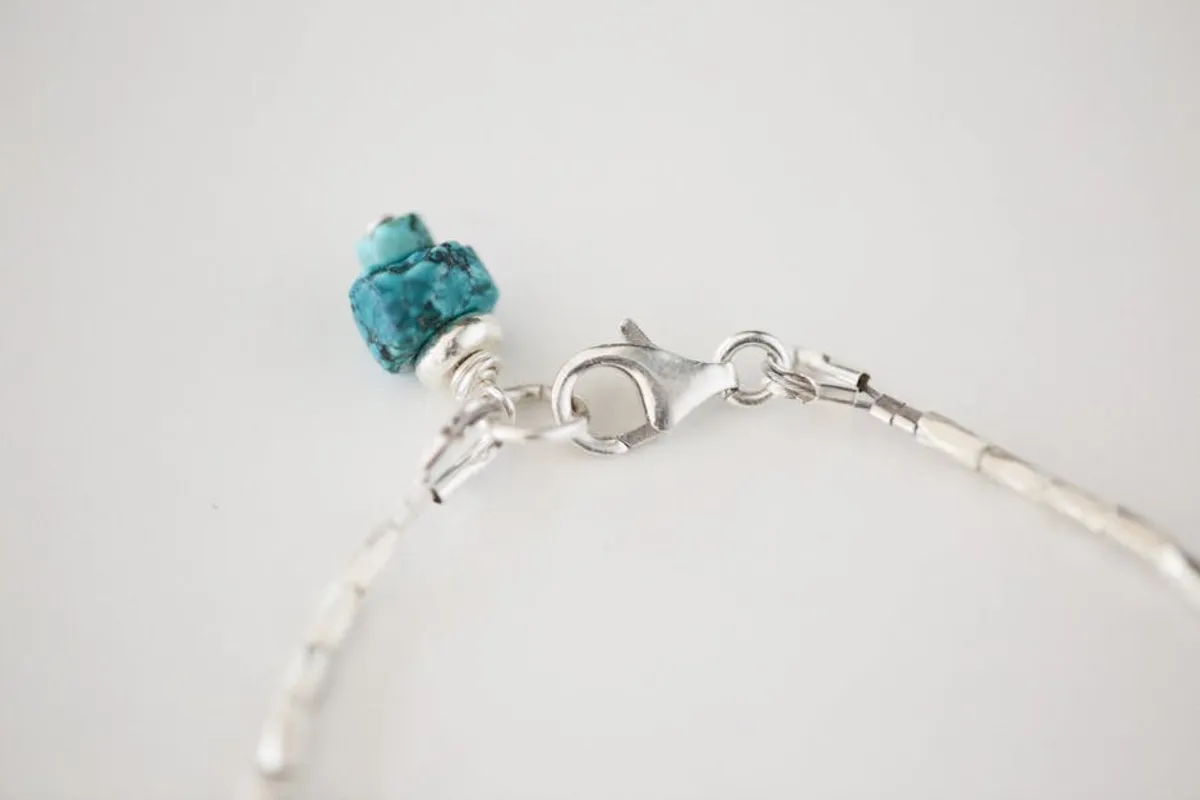
Turquoise jewelry, prized for its unique blue-green hues and intricate matrix patterns, carries a specific vulnerability that owners must understand to preserve its beauty: its interaction with water. Unlike many gemstones, turquoise is a porous material. This inherent characteristic means that prolonged or repeated exposure to moisture, chemicals, and even natural body oils can significantly alter its appearance and structural integrity. Understanding these sensitivities is crucial for any owner looking to maintain their turquoise pieces for generations, informing daily wear habits and cleaning routines to prevent irreversible damage.
The Porous Nature of Turquoise and Water Sensitivity
Turquoise is a hydrous phosphate of copper and aluminum, forming in arid regions. Its structure is naturally porous, meaning it has tiny spaces and channels throughout its composition. This porosity allows liquids and other substances to penetrate the stone, leading to changes in its chemical makeup and physical appearance.
When water enters these pores, especially impure water containing chemicals like chlorine or even the natural oils from skin, it can react with the minerals within the turquoise. This reaction often manifests as discoloration, typically shifting the stone's vibrant blue tones towards a duller green or even brown. The matrix, the natural webbing or inclusions within the turquoise, can also be compromised, potentially weakening the stone's overall structure over time.
Impact of prolonged water exposure:
- Discoloration: Shifts from blue to green or brown due to absorption of oils, chemicals, or minerals.
- Loss of Luster: The stone's natural sheen can diminish, appearing dull or chalky.
- Weakening of Matrix: Water can penetrate and expand within existing fissures, potentially leading to cracks or crumbling of the host rock material.
- Chemical Reactions: Soaps, lotions, and chlorine can introduce foreign substances that permanently alter the stone's chemical composition.
Stabilized Versus Natural Turquoise: A Key Distinction
Not all turquoise reacts identically to water. The market offers two primary types: natural and stabilized. Natural turquoise, often the most valuable, is untreated beyond cutting and polishing. Its porosity is at its highest, making it most susceptible to environmental factors.
Stabilized turquoise, however, undergoes a treatment process where it is impregnated with an epoxy resin or plastic. This process fills the pores, enhancing its durability, hardness, and often its color. While stabilization makes the stone significantly less porous and more resistant to water and chemicals, it does not render it impervious. Stabilized turquoise can still suffer damage from prolonged submersion or harsh chemical exposure, though it offers a greater margin of error compared to its natural counterpart.
Specific Water Exposure Scenarios and Their Risks
Understanding how different types of water exposure affect turquoise helps in establishing effective care routines.
Accidental Splashes and Light Rain
Minor, incidental exposure, such as a few drops of water from handwashing or light rain, is generally not immediately detrimental to turquoise. The key is prompt action: gently blot the jewelry dry with a soft, clean cloth immediately. Allowing water to sit on the surface, especially if it contains minerals or chemicals, increases the risk of absorption and potential staining.
Showering, Bathing, and Handwashing
Wearing turquoise jewelry while showering or bathing is strongly discouraged. Soaps, shampoos, conditioners, and body washes contain detergents, oils, and other chemicals that can penetrate the stone's pores. These substances can cause permanent discoloration, dullness, or even degrade the stabilizing agents in treated turquoise. Similarly, frequent handwashing while wearing turquoise rings or bracelets exposes the stone to soap and water repeatedly, accumulating damage over time.
Swimming Pools and Ocean Water
These environments pose the highest risk to turquoise. Chlorine in swimming pools is a harsh chemical that can rapidly react with the copper content in turquoise, leading to irreversible color changes and structural damage. Saltwater, while natural, is also corrosive and can penetrate the stone, potentially causing a dull, chalky appearance or weakening the matrix. Always remove turquoise jewelry before swimming in either pools or the ocean.
Cleaning Processes
When cleaning turquoise, avoid ultrasonic cleaners, steam cleaners, or chemical jewelry dips. The vibrations from ultrasonic cleaners can fracture the stone or loosen settings, while steam can force moisture into its pores. Chemical dips are too aggressive and will almost certainly cause discoloration or damage. The correct cleaning method involves minimal moisture.
Comprehensive Care Practices for Turquoise JewelryProactive care is the most effective way to preserve turquoise's vibrant beauty and structural integrity.
Gentle Cleaning Techniques
For routine cleaning, use a soft, dry cloth (such as a microfiber or jeweler's cloth) to gently wipe away surface dirt, oils, and perspiration. If a deeper clean is occasionally necessary, lightly dampen a corner of the cloth with plain water – distilled water is preferable to avoid mineral deposits – and wipe the stone quickly. Immediately follow with a dry section of the cloth to ensure no moisture remains on the turquoise. Never soak turquoise in water or use abrasive materials.
Appropriate Storage Conditions
Store turquoise jewelry separately from other pieces to prevent scratching, as turquoise is relatively soft (5-6 on the Mohs scale). Keep it in a soft pouch or a fabric-lined jewelry box. The storage environment should be dry and have a stable temperature, avoiding extreme heat or humidity. High humidity can encourage moisture absorption, while excessive heat can cause the stone to dry out and crack.
Mindful Wearing Habits
Consider turquoise jewelry for occasional wear rather than daily exposure, especially for rings or bracelets that are more prone to contact with water and chemicals. Remove turquoise pieces before engaging in activities that involve water, cleaning products, gardening, or strenuous physical activity. This prevents both chemical exposure and physical damage.
Preserving Your Turquoise Investment
The allure of turquoise lies in its natural beauty, but this beauty is contingent on careful stewardship. Its porous nature makes it uniquely susceptible to environmental factors, particularly water and chemicals. By adhering to a regimen of mindful wear, gentle cleaning, and appropriate storage, you can significantly extend the life and maintain the vibrant aesthetic of your turquoise jewelry. Distinguishing between natural and stabilized turquoise is also critical, as it informs the level of vigilance required, though neither type is truly water-resistant. Treat your turquoise with the respect its geological history demands, and it will remain a cherished adornment.
Frequently Asked Questions About Turquoise and Water
Can you shower with turquoise jewelry?
No, it is strongly recommended to remove turquoise jewelry before showering. Soaps, shampoos, and body washes contain chemicals and oils that can penetrate the porous stone, leading to discoloration and dullness over time.
What happens if turquoise gets wet?
If turquoise gets wet, especially with prolonged exposure or chemical-laden water (like chlorine or soapy water), it can absorb the moisture and substances. This often results in the stone changing color, typically shifting from blue to a greener or brownish hue, and can cause it to lose its luster or even weaken its structure.
How should I clean my turquoise jewelry?
Clean turquoise jewelry by gently wiping it with a soft, dry cloth. For occasional deeper cleaning, a slightly damp cloth with plain water can be used, but ensure you immediately dry the stone thoroughly afterwards. Avoid harsh chemicals, ultrasonic cleaners, or soaking the jewelry in water.
Does water ruin turquoise permanently?
Prolonged or repeated exposure to water, especially chlorinated or chemically treated water, can cause permanent discoloration and damage to turquoise. While minor, immediate drying of a splash may prevent harm, significant water absorption often leads to irreversible changes in the stone's appearance and integrity.