
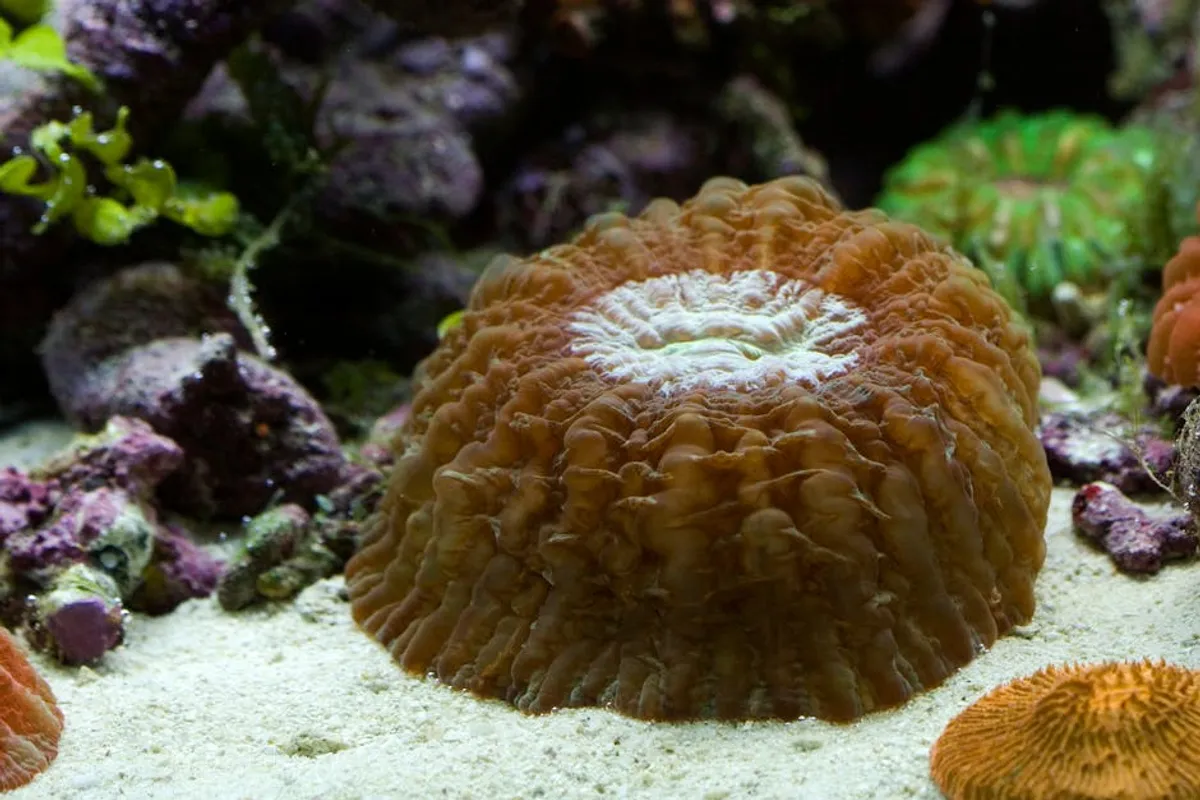
Coral jewelry, with its unique organic origins and vibrant hues, offers a distinct aesthetic appeal. Unlike metal or gemstone pieces, coral is a natural, living material harvested from the sea. Its beauty is derived from calcium carbonate, making it inherently softer and more porous than many other jewelry components. This organic composition means coral is particularly susceptible to damage from chemicals, heat, and abrasion. Understanding these fundamental characteristics is the first step in preserving your coral jewelry's luster and structural integrity for generations. Proper care isn't just about maintaining appearance; it's about safeguarding a delicate natural treasure.
Understanding Coral's Delicate Nature
Coral is not a mineral but an organic material formed by marine polyps. Its primary component, calcium carbonate, renders it relatively soft on the Mohs scale (typically 3 to 4). This softness makes it prone to scratching and impact damage. Furthermore, its porous structure means it can absorb oils, chemicals, and even perspiration, leading to discoloration or dullness over time. Coral is also sensitive to acids, which can dissolve its surface, and extreme heat, which can cause it to crack or bleach. Recognizing these vulnerabilities is crucial for implementing effective care routines.
Daily Wear and Handling Practices
The way you wear and handle your coral jewelry day-to-day significantly impacts its longevity. Consistent, mindful practices prevent common forms of damage.
Protecting from Chemicals and Cosmetics
Coral is highly reactive to a range of common household and personal care products. Always apply perfumes, hairsprays, lotions, and cosmetics before putting on your coral jewelry. The alcohol and chemicals in these products can dull the coral's surface, strip its natural oils, or even cause irreversible discoloration. Similarly, avoid contact with cleaning agents, chlorine (found in pools), and acidic substances like vinegar or lemon juice.
Avoiding Impact and Abrasion
Due to its relative softness, coral can scratch or chip easily. Remove coral rings and bracelets before engaging in activities that involve manual labor, sports, or any situation where they might come into contact with hard surfaces. Store coral pieces separately to prevent them from rubbing against harder jewelry, which could cause surface damage.
Limiting Exposure to Sunlight and Heat
Prolonged exposure to direct sunlight or intense heat can cause coral to fade, bleach, or even crack. This phenomenon is often referred to as "coral bleaching" in its natural environment, and a similar effect can occur with jewelry. Store your coral pieces away from windowsills, direct light, and heat sources like radiators or open flames.
Pro Tip: Always follow the "last on, first off" rule for coral jewelry. Put it on after you've completed your dressing and grooming routine (including perfumes and lotions), and take it off first when you undress. This minimizes exposure to damaging chemicals and reduces the risk of accidental impact.
Gentle Cleaning Protocols
Regular, gentle cleaning is essential to remove body oils, dust, and minor residues without harming the coral.
- Mild Soap and Water: Prepare a solution of lukewarm water and a small amount of mild, non-detergent soap. Dish soaps containing harsh degreasers are not suitable.
- Soft Cloth Application: Dip a soft, lint-free cloth into the soapy water and gently wipe the coral surface. Avoid submerging the entire piece, especially if it's set in metal that could corrode or if the coral is porous and might absorb too much moisture.
- Rinse and Dry Thoroughly: Lightly dampen a fresh, clean cloth with plain lukewarm water to gently wipe off any soap residue. Immediately dry the coral with another soft, dry cloth. Ensure no moisture remains, as prolonged dampness can affect the coral's integrity.
- Avoid Harsh Methods: Never use ultrasonic cleaners, steam cleaners, or abrasive polishing cloths on coral. These methods can cause irreparable damage, stripping the coral of its natural finish or cracking its structure.
Optimal Storage Conditions
Proper storage protects coral from environmental factors and physical damage when not being worn.
Store coral jewelry in a dedicated jewelry box or pouch. Ideally, each piece should have its own compartment or a soft fabric pouch to prevent scratching from other jewelry items. The storage location should be cool, dry, and away from direct sunlight or extreme temperature fluctuations. Excessive humidity can also be detrimental, potentially encouraging mold growth or affecting the coral's surface over time.
When to Seek Professional Assistance
If your coral jewelry appears dull, discolored, or has sustained damage such as chips or cracks, avoid attempting DIY repairs or aggressive cleaning. Professional jewelers specializing in organic materials can assess the damage and, in some cases, offer restoration services like re-polishing or minor repairs. They possess the expertise and tools to handle delicate materials without causing further harm.
Maintaining Your Coral's Radiance
Caring for coral jewelry is a commitment to preserving its unique beauty. By understanding its organic nature and implementing consistent, gentle practices for daily wear, cleaning, and storage, you can ensure your coral pieces retain their captivating luster and remain cherished possessions for years to come. Thoughtful handling prevents the most common forms of damage, allowing the natural elegance of coral to endure.
Frequently Asked Questions
Can coral jewelry get wet?
Brief exposure to water during gentle cleaning is acceptable, but prolonged submersion should be avoided. Remove coral jewelry before swimming, showering, or washing dishes, as chlorine, soaps, and extended dampness can harm its surface and structure.
How often should I clean my coral jewelry?
Clean your coral jewelry periodically, perhaps after every few wears or if you notice it becoming dull. A gentle wipe with a soft, dry cloth after each wear can also help remove oils and perspiration, preventing buildup.
What causes coral to lose its color?
Coral can lose its vibrant color due to prolonged exposure to direct sunlight, harsh chemicals, extreme heat, or acidic substances. These factors can cause the coral to bleach, fade, or become discolored.
Can I polish coral jewelry to restore its shine?
While professional jewelers can sometimes re-polish coral to restore its luster, it's not a recommended DIY task. Abrasive polishes or cloths can damage the soft surface. If your coral appears dull, consult a professional who specializes in organic jewelry.