
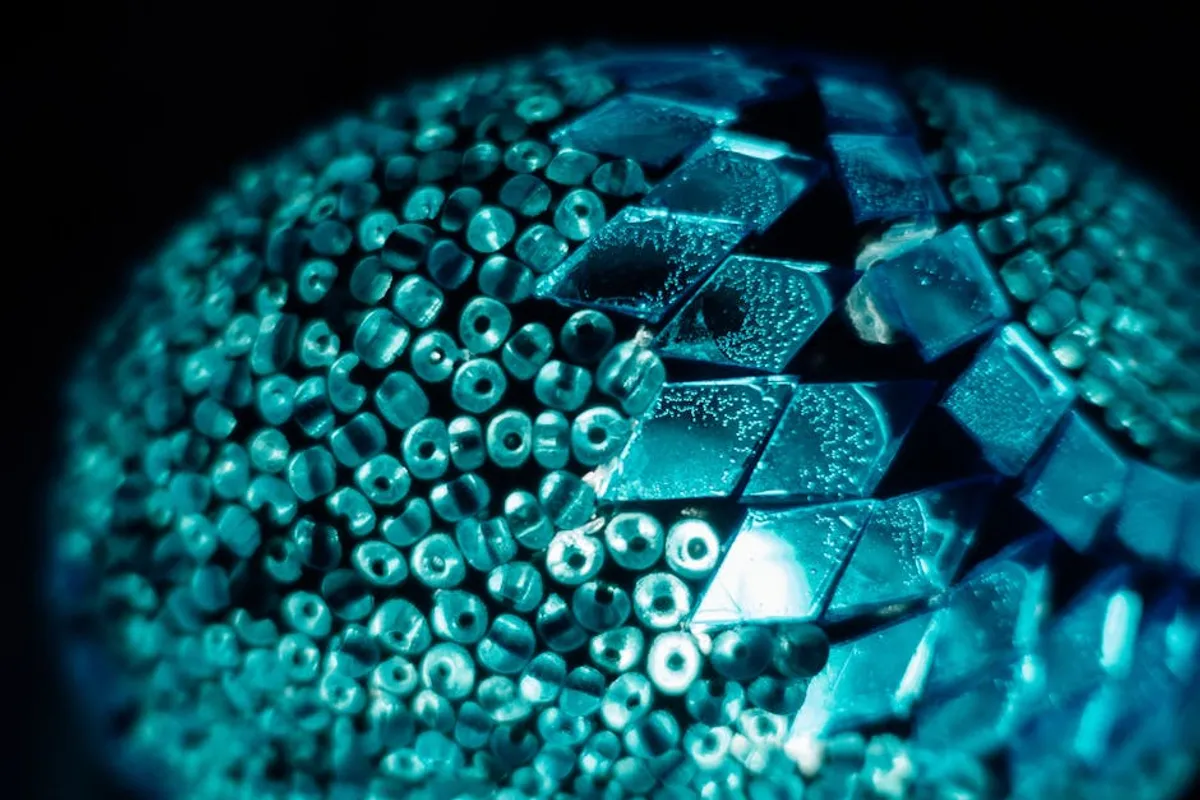
Selecting a turquoise bead necklace in Native American style involves more than aesthetic preference; it requires understanding the cultural significance, regional artistry, and material integrity that define these unique pieces. Authentic Native American turquoise jewelry is a tangible link to specific tribal traditions, often reflecting generations of craftsmanship and a deep connection to the land. This guide details the critical factors for identifying, appreciating, and styling these necklaces, focusing on the distinctions that differentiate genuine artistry from mass-produced imitations and highlight their inherent value.
Understanding Native American Turquoise Styles
The term "Native American style" encompasses a diverse range of artistic traditions, each with distinct characteristics in turquoise beadwork. Recognizing these regional variations is fundamental to appreciating the craftsmanship and cultural narrative embedded in each piece.
Regional Distinctions in Beadwork
- Navajo: Known for substantial, often chunky turquoise beads, frequently combined with sterling silver elements like stamped beads, hogan beads, or large silver bezels. Navajo bead necklaces can range from simple strands of polished nuggets to intricate squash blossom designs, where turquoise often serves as a focal point within silver settings. The emphasis is on the stone's natural form and the weight of the materials.
- Zuni: Zuni artists excel in intricate lapidary work, often featuring small, precisely cut turquoise stones set in complex mosaic or inlay patterns. Their bead necklaces might incorporate tiny, uniform heishi beads or cluster settings where numerous small turquoise pieces are meticulously arranged to form larger designs. Needlepoint and petit point techniques are characteristic, requiring exceptional precision.
- Santo Domingo Pueblo (Kewa Pueblo): Renowned for their heishi (pronounced "hee-shee") necklaces, which are typically disc-shaped beads made from turquoise, shell, or other natural stones. Traditional heishi is hand-cut, drilled, and polished, resulting in smooth, uniform beads that lay flat against the skin. These necklaces often feature graduated bead sizes or combinations of turquoise with other materials like jet, spiny oyster, or pipestone, creating vibrant, multi-color strands without extensive silverwork.
Types of Turquoise and Their Significance
The specific mine from which turquoise is sourced significantly impacts its color, matrix (the host rock visible within the turquoise), and perceived value. Understanding these distinctions helps in evaluating a necklace's quality and origin.
- Sleeping Beauty Turquoise: Characterized by its clear, robin's egg blue color with little to no matrix. Sourced from Arizona, it is highly prized for its consistent, pure hue, making it a popular choice for smooth, polished beads. Its scarcity has increased its value.
- Kingman Turquoise: Also from Arizona, Kingman turquoise offers a wide range of blue and green shades, often with a black or brown matrix. It is known for its durability and versatility, appearing in various bead shapes and sizes. The "spiderweb" matrix patterns are particularly sought after.
- Royston Turquoise: Mined in Nevada, Royston turquoise is recognized for its distinctive deep green to blue-green colors, often with a golden or brown matrix. Each piece is unique, showcasing a natural, earthy aesthetic that appeals to those seeking a more rugged, individual stone.
- Morenci Turquoise: From Arizona, known for its deep blue color and characteristic "pyrite" matrix, which appears as shiny, metallic flecks. This unique matrix adds significant visual interest and value.
Key Elements of Authentic Bead Necklaces
Authenticity and quality in Native American style turquoise bead necklaces are determined by the materials used, the precision of the craftsmanship, and the traditional methods employed in their creation.
Bead Shapes and Cuts
The form of the turquoise bead dictates the necklace's overall drape, texture, and visual impact.
- Heishi: Small, flat, disc-shaped beads, traditionally hand-ground and strung. These create a smooth, flexible strand that drapes fluidly.
- Nugget: Irregularly shaped, natural pieces of turquoise, often polished but retaining their organic form. Nugget necklaces offer a rustic, earthy aesthetic and emphasize the raw beauty of the stone.
- Rondelle: Disc-shaped beads with rounded edges, providing a softer profile than heishi. They can be uniform or graduated in size.
- Tabular: Flat, rectangular, or square beads, often used in geometric designs or to create a more structured necklace.
Craftsmanship and Stringing
The skill of the artisan is evident in the consistency of bead size, the quality of the drill holes, and the integrity of the stringing. Hand-cut and polished beads, though less uniform than machine-produced ones, carry the distinct mark of human effort and traditional technique. Traditional stringing often utilizes strong, natural materials like sinew or durable cotton, though modern pieces may use specialized jewelry wire for added strength and flexibility. Sterling silver accents, such as handmade cones, clasps, or interspersed silver beads, indicate attention to detail and traditional metalworking skills.
Identifying Quality and Value
Assessing a turquoise bead necklace requires evaluating several factors beyond initial appearance:
- Natural vs. Treated Turquoise: Natural, untreated turquoise is the most valuable. Treated turquoise (stabilized, dyed, or reconstituted) is common and more affordable. Stabilization hardens the stone for durability, while dyeing alters its color. Reconstituted turquoise is made from pulverized turquoise fragments mixed with resin. Always inquire about the stone's treatment status.
- Artist Signature or Hallmarks: Many reputable Native American jewelers sign their work with a hallmark or signature, indicating authenticity and providing provenance. This adds significant value and traceability.
- Material Consistency: Examine the beads for consistent color, matrix patterns (if present), and uniform drilling. While natural variations are expected, significant discrepancies can indicate lower quality or mixed materials.
- Weight and Feel: Authentic turquoise has a specific density. A necklace that feels too light for its size might indicate lower-quality, porous, or reconstituted material.
Pro Tip: When purchasing, always seek documentation or a reputable dealer who can verify the turquoise's origin and treatment status. Genuine, untreated turquoise from a known mine, crafted by an identified artist, holds significantly greater value and cultural integrity than unmarked or treated pieces.
Styling Your Turquoise Bead Necklace
Turquoise bead necklaces are versatile pieces that can complement a range of aesthetics, from casual to formal, depending on their design and how they are paired.
Complementary Metals and Materials
Sterling silver is the most common and traditional metal paired with turquoise, enhancing its cool tones. Other natural materials like coral (often red or orange for contrast), jet (black for depth), or spiny oyster shell (various vibrant colors) are frequently incorporated into multi-stone necklaces, adding texture and visual interest. These combinations often reflect specific tribal aesthetics and material availability.
Layering Techniques
Turquoise bead necklaces lend themselves well to layering. Combine different lengths – a shorter choker-style heishi with a longer nugget or squash blossom necklace – to create depth. Mix textures by pairing smooth, polished beads with more organic, rougher cuts. Ensure varying lengths prevent tangling and allow each necklace to be seen distinctly.
Occasion and Outfit Pairing
A simple strand of heishi beads can elevate everyday wear, adding a touch of color and natural elegance. Longer, more elaborate necklaces, such as a traditional squash blossom, serve as statement pieces, suitable for special occasions or to anchor a Western-inspired ensemble. The key is to let the necklace be a focal point; pair it with solid colors or understated patterns to allow the turquoise to stand out.
Curating Your Collection
Building a collection of Native American style turquoise bead necklaces is an investment in art, culture, and personal style. Focus on pieces that resonate with you, prioritizing authenticity, quality craftsmanship, and the story behind the stones. Regular, gentle cleaning with a soft cloth is typically sufficient for maintenance. Avoid harsh chemicals or prolonged exposure to direct sunlight, which can alter the stone's color. Store necklaces separately to prevent scratching, ideally in a soft pouch.
Frequently Asked Questions
Is all turquoise from Native American mines?
No, turquoise is mined globally, but specific mines in the American Southwest (e.g., Arizona, Nevada, New Mexico) are historically significant and produce highly prized varieties often used in Native American jewelry.
How can I tell if a turquoise necklace is handmade?
Handmade pieces often show slight imperfections in bead uniformity, drill holes, or silverwork, which are hallmarks of individual craftsmanship. Machine-made items tend to be perfectly uniform. Look for artist signatures or hallmarks.
What is the difference between natural and stabilized turquoise?
Natural turquoise is untreated. Stabilized turquoise has been treated with a clear epoxy resin under pressure to harden porous stones, improve color, and enhance durability, making it more resistant to cracking and color change.
Do turquoise necklaces require special care?
Yes, turquoise is relatively soft. Avoid contact with harsh chemicals, perfumes, lotions, and prolonged exposure to direct sunlight. Clean with a soft, dry cloth and store separately to prevent scratching.