Southwestern rugs, with their distinctive geometric patterns and earthy color palettes, represent more than just floor coverings; they embody centuries of Native American artistry, cultural storytelling, and meticulous craftsmanship. For those seeking to integrate a piece of this rich heritage into their spaces, understanding the nuances of these textiles is crucial. The decision to purchase involves appreciating the historical origins, recognizing authentic designs, and evaluating the practical aspects of materials and care. This guide aims to equip buyers with the knowledge necessary to navigate the diverse world of Southwestern rugs, ensuring a choice that aligns with both aesthetic preferences and a respect for their profound cultural significance.
Understanding Southwestern Rug Traditions
Historical Context and Cultural Significance
The tradition of rug weaving among Native American tribes, particularly the Navajo (Diné), evolved from earlier practices of blanket weaving. Originally, these textiles served practical purposes like clothing and bedding, but with the introduction of sheep by Spanish colonizers in the 17th century, wool became the primary medium. The craft transformed over centuries, influenced by trade, new materials, and evolving artistic expressions. Each rug often narrates a story, reflects a weaver's personal journey, or symbolizes elements of the natural world and spiritual beliefs. Owning a Southwestern rug is therefore an engagement with a living art form, connecting the buyer to a lineage of skilled artisans and their enduring cultural narratives.
Key Tribal Influences and Their Distinctive Patterns
While "Southwestern rug" is a broad category, specific tribal influences define many of the iconic styles. The Navajo are undoubtedly the most prominent, known for their exceptional weaving prowess and diverse regional styles. Other tribes, such as the Zuni and Hopi, are renowned for pottery and jewelry, but their artistic motifs often appear in broader Southwestern design, influencing rug patterns indirectly or through collaborative efforts. Understanding these distinctions helps appreciate the depth of the art form.
- Navajo (Diné) Weaving:
- Ganado Red: Characterized by a dominant deep red background with black, white, and grey geometric designs. Known for bold, strong patterns.
- Two Grey Hills: Utilizes undyed natural wools in shades of brown, grey, black, and white. Designs are intricate, often featuring fine lines and complex central medallions.
- Teec Nos Pos: Influenced by Persian rug designs, these feature elaborate borders, complex central motifs, and a wider range of colors, including greens, blues, and oranges, alongside traditional reds and blacks.
- Storm Pattern: A classic design depicting a central square (the hogan, or home) with lines extending to smaller squares in each corner (the four sacred mountains), connected by zigzag lines representing lightning or paths.
- Eye-Dazzler: Developed in the late 19th century, these rugs use vibrant aniline dyes and intricate, contrasting geometric patterns to create a visually dynamic, almost optical illusion effect.
- Other Influences: While less common as primary rug weavers, the artistic traditions of tribes like the Zuni (known for their precise inlay work and fetishes) and Hopi (famous for kachina dolls and pottery) contribute to the broader aesthetic vocabulary of the region, sometimes inspiring motifs or color combinations in general Southwestern design.
Essential Characteristics of Southwestern Rugs
Material and Weave
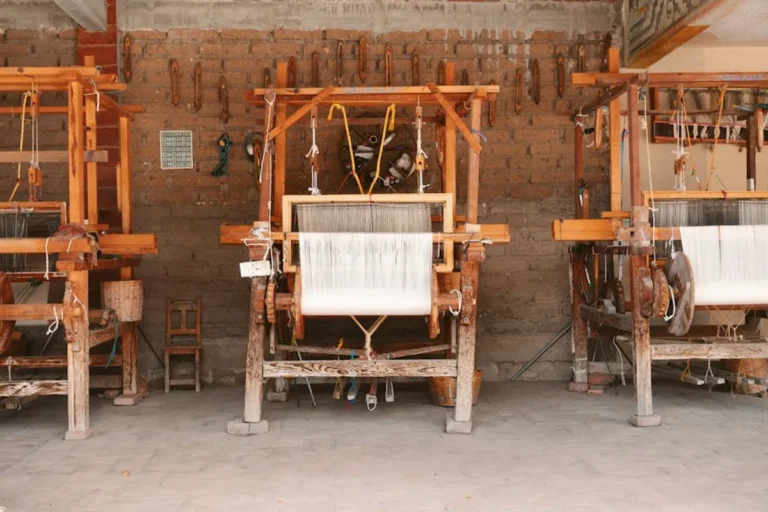
Authentic Southwestern rugs are predominantly hand-woven from sheep's wool. The quality of the wool, its preparation, and the tightness of the weave significantly impact the rug's durability and texture. Traditional weaving methods often involve upright looms, with the weaver working from the bottom up. The flat-weave technique, where warp and weft threads interlock to create a solid fabric without a pile, is characteristic of many Navajo rugs. This construction contributes to their robustness and reversible nature. Natural dyes, derived from plants and minerals, historically provided the rich, earthy tones, while the introduction of aniline dyes in the late 19th century expanded the color palette to include brighter, more vivid hues.
Color Palettes and Symbolism
The color schemes of Southwestern rugs are deeply rooted in the natural landscape and cultural symbolism. Earth tones—reds, browns, blacks, whites, and various shades of grey from undyed wool—are foundational. Red often symbolizes the earth or sacred blood, black represents darkness or night, white signifies purity or light, and blue or green can represent the sky or plant life. The combination and arrangement of these colors are not arbitrary; they contribute to the rug's overall narrative and aesthetic impact. For instance, the "Ganado Red" style uses a specific, deep crimson that became iconic for its vibrancy and association with the region's dramatic sunsets.
Iconic Motifs and Geometries
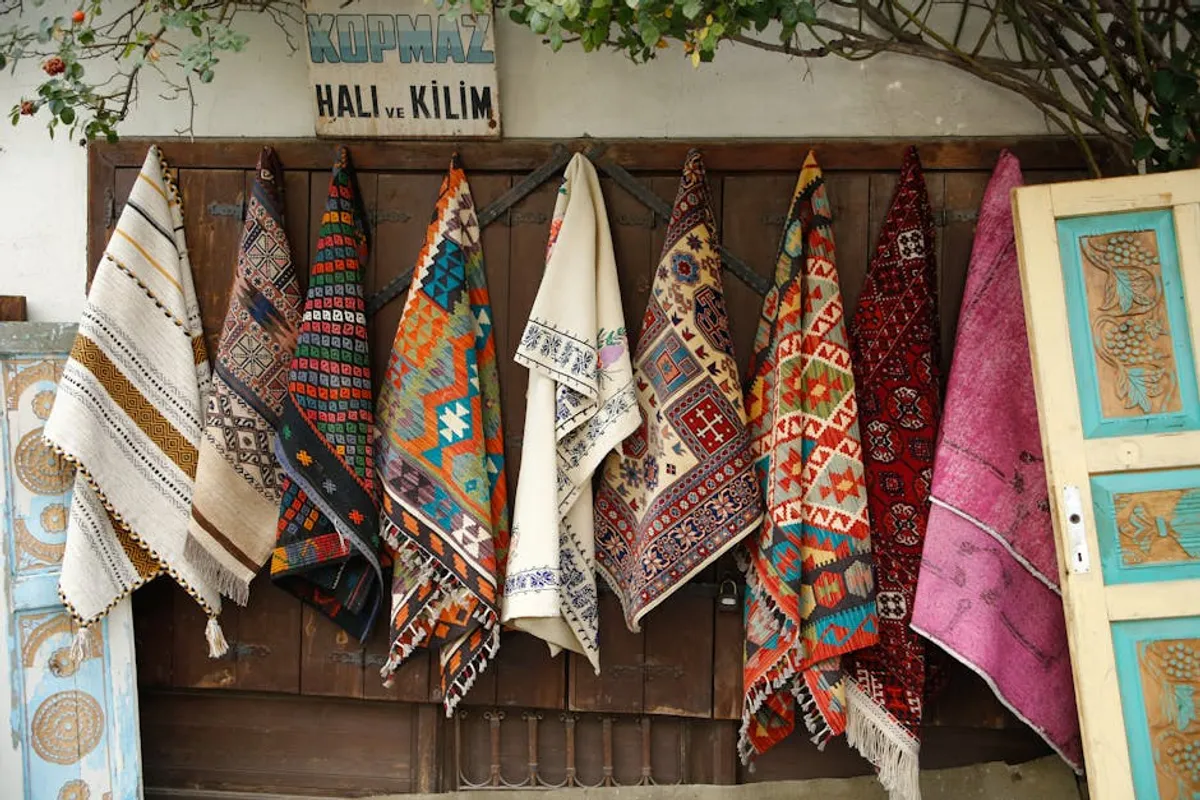
The visual language of Southwestern rugs is expressed through a lexicon of geometric motifs. These are rarely purely decorative; many carry symbolic weight. Diamonds can represent eyes, mountains, or the cosmos. Zigzags often symbolize lightning, mountains, or spiritual journeys. Stepped patterns might depict clouds, rain, or the ascent to higher knowledge. Crosses can signify the four cardinal directions or the morning star. The precision and repetition of these motifs create a sense of balance and order, reflecting the weavers' worldview and connection to their environment. The complexity of these designs, often achieved without a pre-drawn pattern, showcases the weaver's skill and artistic vision.
Selecting a Southwestern Rug: Practical Considerations
Authenticity and Provenance
Identifying an authentic, hand-woven Southwestern rug requires careful consideration. Genuine pieces often exhibit slight irregularities in weave or pattern, a hallmark of their handmade nature. Look for artist signatures or weaving certifications, especially from reputable galleries specializing in Native American art. Understanding the rug's provenance—its origin, weaver, and history—adds to its value and ensures you are acquiring a culturally significant piece, not a mass-produced imitation. Inquire about the type of wool, dye methods, and the specific tribal or regional style to confirm its heritage.
Durability and Care
Wool Southwestern rugs are known for their durability, capable of withstanding significant foot traffic when properly maintained. Regular vacuuming is essential to prevent dirt from settling into the fibers. For spills, immediate spot cleaning with a mild detergent and water is recommended. Avoid harsh chemicals that can damage wool or alter dye colors. Professional cleaning, specifically by a rug specialist familiar with wool and natural dyes, is advisable every few years to preserve the rug's integrity and vibrancy. Protect rugs from prolonged direct sunlight, which can cause fading over time.
Pro Tip: Before purchasing, always inspect the rug's reverse side. A true hand-woven rug will have the same pattern visible on both sides, though colors may be slightly muted on the back. Machine-made rugs typically have a distinct backing material or a less defined pattern on the reverse.
Integrating Rugs into Modern Decor
Southwestern rugs are remarkably versatile and can complement a wide range of interior design styles beyond traditional rustic or Western themes. Their geometric patterns and natural color palettes can ground a minimalist space, add warmth to contemporary settings, or introduce a focal point in eclectic decor. Consider using them as wall hangings to showcase their intricate designs, or as runners in hallways to add a touch of heritage. Pairing a vibrant Ganado Red rug with modern furniture can create a striking contrast, while a subtle Two Grey Hills piece can add texture and depth to a neutral room. The key is to balance the rug's strong visual presence with other elements in the room, allowing it to serve as either a statement piece or a harmonious accent.
Making an Informed Choice
The journey to select a Southwestern rug is an opportunity to connect with a profound artistic tradition. By understanding the historical context, recognizing key tribal styles and their symbolic motifs, and considering the practical aspects of material, weave, and care, buyers can make an informed decision. Prioritize authenticity and provenance to ensure the rug's cultural integrity and long-term value. Whether seeking a bold statement piece or a subtle accent, a carefully chosen Southwestern rug enriches any space with its unique beauty and enduring story.
Frequently Asked Questions
What defines a "Southwestern" rug?
A Southwestern rug is typically a hand-woven textile, often made from wool, characterized by geometric patterns, earthy color palettes, and a flat-weave construction. These rugs are primarily associated with the weaving traditions of Native American tribes in the Southwestern United States, most notably the Navajo.
Are all Native American rugs Navajo?
No, while Navajo rugs are the most widely recognized and prolific examples of Native American weaving in the Southwest, other tribes also have rich textile traditions or influence the broader regional aesthetic. However, when people refer to "Native American rugs" in the context of the Southwest, they are most often referring to Navajo weaving.
How should I care for a wool Southwestern rug?
Regular vacuuming without a beater bar is crucial. Spot clean spills immediately with a mild detergent and water, blotting gently. Avoid harsh chemicals and direct sunlight. For deep cleaning, consult a professional rug cleaner experienced with wool and natural dyes.
What is the difference between a new and vintage Southwestern rug?
New rugs are contemporary creations, often featuring modern interpretations of traditional designs or using commercially dyed yarns. Vintage rugs are typically at least 50 years old, often exhibiting the patina of age, natural wear, and sometimes using older dye techniques or materials. Both can hold significant value, but vintage pieces often carry a unique historical character.