
Native American weaving represents a significant category within the broader textile market, distinguished by its intricate craftsmanship, cultural depth, and historical lineage. For those engaging with this sector, whether as collectors, dealers, or content creators, a foundational understanding of the distinct characteristics separating rugs, blankets, and other textiles is essential. This distinction informs valuation, authenticity assessment, and the appropriate contextualization of these unique art forms. The market for these items is driven by their artistic merit, scarcity, and the stories embedded within their fibers, demanding an informed approach to both acquisition and appreciation.
The Evolution of Native American Woven Forms
The practice of weaving among Native American peoples spans centuries, evolving from utilitarian necessity to sophisticated artistic expression. Early forms often served practical purposes, such as clothing, bedding, and storage, utilizing locally available materials like plant fibers and animal hides. With the introduction of sheep by Spanish colonizers, particularly among the Navajo, wool became a predominant medium, profoundly influencing the development of distinct weaving traditions.
Rugs: Functionality and Regional Identity
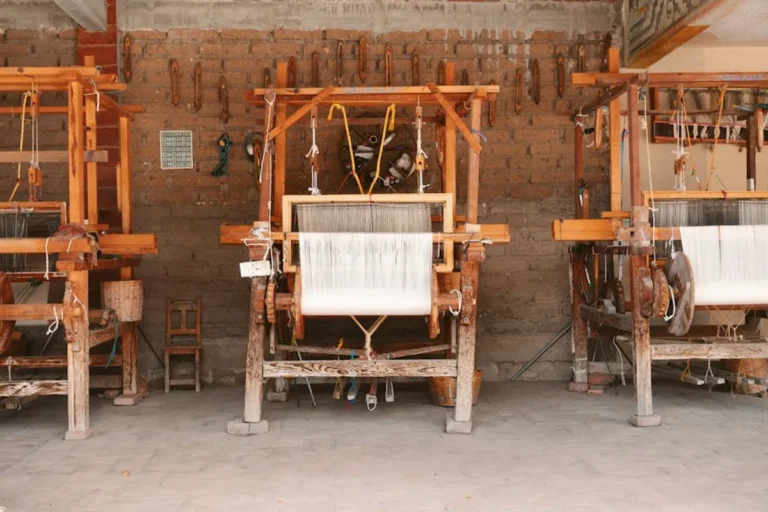
Native American rugs are primarily floor coverings, though many are also displayed as wall hangings due to their artistic value. They are characterized by their robust construction, designed to withstand foot traffic. Regional styles are a key differentiator, with patterns, color palettes, and weaving techniques often specific to a particular tribe or geographic area. For instance, Navajo rugs are renowned for their geometric designs, often categorized by trading post styles like Ganado, Two Grey Hills, or Teec Nos Pos, each presenting unique aesthetic conventions. Zapotec weaving from Oaxaca, Mexico, while geographically distinct, shares historical and technical parallels with Southwestern traditions, often featuring vibrant colors and intricate patterns.
- Navajo Rugs: Known for tightly woven, durable wool, complex geometric patterns, and often natural dyes or specific aniline color combinations. Styles like Crystal, Wide Ruins, and Burntwater represent distinct design evolutions.
- Pueblo Textiles: While less prolific in rug production than the Navajo, Pueblo weavers historically created functional textiles, often incorporating unique patterns and sometimes cotton alongside wool.
- Chilkat Blankets (Tlingit, Haida, Tsimshian): Though technically blankets, their ceremonial use and complex curvilinear designs woven from mountain goat wool and cedar bark make them distinct and highly valued textile art.
Blankets: Utility, Ceremony, and Personal Adornment
Native American blankets typically served as personal coverings, cloaks, or ceremonial regalia. They often feature a softer, more pliable weave than rugs, prioritizing comfort and drape. Historically, blankets were crucial for warmth and could also signify status or tribal affiliation through their designs. The materials might vary, from wool to cotton, and even incorporate trade cloth or beads.
Key distinctions for blankets:
- Pendleton Blankets: While not exclusively Native American made, these wool blankets, produced by the Pendleton Woolen Mills, often feature designs inspired by Native American art and have been widely adopted and traded within Native communities, becoming a significant part of their material culture. Understanding their origin helps differentiate them from hand-woven pieces.
- Chief's Blankets: A highly prized type of Navajo blanket, traditionally worn by leaders. These evolved through distinct phases (First Phase, Second Phase, Third Phase), marked by changes in stripe patterns, introduction of bars, and later, full-field designs. Their historical significance and rarity contribute to their high market value.
- Trade Blankets: Blankets acquired through trade, often manufactured by non-Native companies but used and sometimes modified by Native peoples. These represent a different category from entirely hand-woven indigenous textiles.
Textiles: Beyond Rugs and Blankets
The term "textiles" encompasses a broader range of woven and fiber arts, including clothing items, sashes, bags, and ceremonial objects. These pieces often showcase specialized techniques and materials, reflecting diverse cultural practices.
- Sashes and Belts: Often intricately woven with complex patterns, used to secure clothing or for ceremonial purposes. The Pueblo people, for example, are known for their colorful, diamond-twill woven sashes.
- Bags and Pouches: Woven from various fibers, sometimes adorned with quillwork or beads, used for storage or carrying personal items.
- Tapestries: While rugs can function as tapestries, some woven pieces are specifically created for display, featuring pictorial elements or highly detailed, narrative designs.
Authenticity, Materials, and Craftsmanship
Identifying genuine Native American weaving involves assessing several factors. The type of fiber is paramount: hand-spun wool, often from churro sheep (prized for its long staple and natural lanolin), is a hallmark of traditional pieces. Dyes, whether natural (derived from plants, minerals, insects) or early aniline (synthetic) dyes, also provide clues to age and origin. The tightness of the weave, consistency of tension, and the presence of natural imperfections from hand-processing all contribute to authenticity.
Pro Tip: When evaluating Native American textiles, always prioritize provenance. A clear history of ownership, ideally documented, significantly enhances a piece's authenticity and market value. Consult with reputable dealers, tribal arts experts, or specialized appraisers to verify undocumented items, especially those with significant commercial value. Be wary of generic "Southwestern" labels without tribal attribution.
Collecting and Preservation Considerations
For collectors and those managing textile assets, proper care is crucial for long-term preservation. Direct sunlight, extreme temperature fluctuations, and insect infestations (moths, carpet beetles) are primary threats. Textiles should be stored or displayed in stable environments, ideally flat or rolled around acid-free tubes, rather than folded, to prevent creasing and fiber damage. Regular, gentle cleaning by a professional textile conservator is recommended for older or fragile pieces.
Navigating the Native American Textile Market
The market for Native American weaving is dynamic, influenced by factors such as the weaver's reputation, the piece's age, condition, rarity, and historical significance. Contemporary weavers continue to innovate, creating new forms and designs while honoring traditional techniques, contributing fresh pieces to the market. Understanding these elements allows for a more informed engagement with this rich cultural and commercial landscape.
Frequently Asked Questions
What is the primary difference between a Native American rug and a blanket?
Rugs are typically woven more densely and robustly for floor use, featuring patterns designed to be viewed from above, while blankets are generally softer, more pliable, and intended for personal wear or ceremonial use, with designs often oriented for vertical display on the body.
How can I determine the age of a Native American textile?
Age assessment involves evaluating dye types (natural vs. early aniline vs. modern synthetic), wool characteristics (hand-spun churro often indicates older pieces), weaving techniques, and design motifs consistent with known historical periods for specific tribal traditions.
Are all Native American textiles made from wool?
While wool, especially from churro sheep, is prominent in many Southwestern traditions like Navajo weaving, other fibers such as cotton, plant fibers (e.g., yucca, cedar bark), and even animal hides were historically used, depending on the region and tribal practice.
What are the most common threats to Native American textiles?
The most common threats include damage from direct sunlight (fading), insect infestations (moths, carpet beetles), improper storage (folding leading to creases, acidic materials), and environmental factors like high humidity or extreme temperature changes.