
Selecting a Southwest decor rug involves more than just choosing a pattern; it requires understanding the distinct characteristics that define these pieces, from their heritage-inspired designs to their construction and material integrity. This guide details the essential considerations for buyers looking to integrate the unique aesthetic of Native American inspired rugs into their living spaces, focusing on design elements, material science, ethical sourcing, and practical longevity.
Decoding Southwest Decor Rug Styles
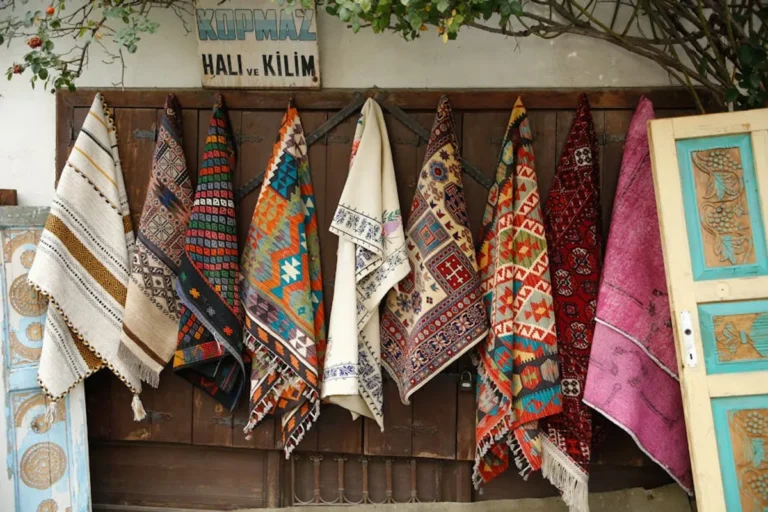
Southwest decor rugs draw heavily from the rich textile traditions of indigenous peoples in the American Southwest and Northern Mexico, particularly the Navajo, Zapotec, and Chimayo weaving styles. These influences manifest in specific geometric patterns, color palettes, and design motifs.
Key Design Elements
- Geometric Patterns: Expect bold, angular designs featuring diamonds, zigzags, chevrons, and stepped patterns. These are often symmetrical, creating a sense of balance and order.
- Color Palettes: Traditional colors are often earth tones—reds, oranges, browns, tans, and blacks—derived from natural dyes. Modern interpretations may introduce blues, greens, and more muted shades, but the underlying warmth remains.
- Symbolic Motifs: While "inspired" designs may not carry the same specific cultural meanings as authentic pieces, the visual language often references natural elements like mountains, rivers, and celestial bodies, or abstract representations of spiritual journeys.
When evaluating styles, consider how the rug's pattern density and color intensity will interact with your existing furnishings. A rug with a dense, intricate pattern in strong colors can serve as a focal point, while a more open design with softer hues might complement a room without dominating it.
Material Matters: Weave, Fiber, and Durability
The construction and materials of a Southwest decor rug directly impact its feel, durability, and cost. Understanding these aspects is crucial for making an informed purchase that aligns with your functional needs and budget.
Common Fibers
- Wool: Predominantly sheep's wool, known for its resilience, natural stain resistance, and ability to hold vibrant dyes. It offers excellent insulation and a soft, yet durable, surface. Churro wool, specifically, is prized for its long, coarse fibers, which contribute to the distinct texture and durability of some traditional weavings.
- Cotton: Often used in flatweave rugs for its softness, breathability, and affordability. Cotton rugs are generally lighter and easier to clean, but may not offer the same wear resistance as wool in high-traffic areas.
- Synthetics (e.g., Polyester, Polypropylene): Offer good stain resistance and fade resistance, making them suitable for outdoor use or areas prone to spills. They are typically more budget-friendly but may lack the natural feel and longevity of wool.
Weaving Techniques
The method of construction dictates the rug's texture, thickness, and overall robustness.
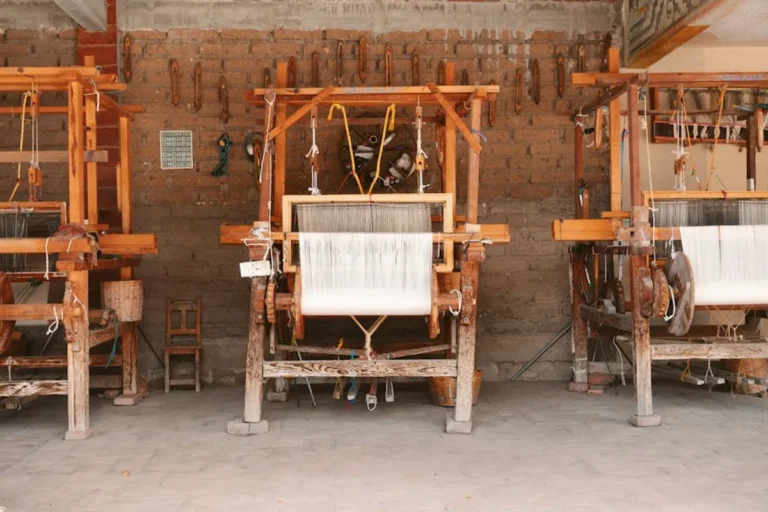
- Hand-Knotted: Each knot is tied by hand onto a warp and weft foundation, creating a dense, durable pile. This labor-intensive process results in rugs that can last for generations and often command higher prices.
- Hand-Tufted: Yarn is punched through a fabric backing using a tool, then secured with latex adhesive and a secondary backing. These rugs offer a plush feel and diverse design possibilities at a more accessible price point than hand-knotted, but their longevity can be affected by the quality of the adhesive.
- Flatweave (e.g., Kilim, Dhurrie): Woven without a pile, creating a flat, reversible textile. These are lightweight, durable, and often feature intricate patterns. They are excellent for layering or in areas where a low profile is desired.
Pro Tip: When evaluating a rug, check the fiber density. For hand-knotted rugs, bend a corner back; if you can easily see the foundation, the knot count might be lower, indicating less durability. For tufted rugs, ensure the backing is securely attached and the adhesive doesn't feel brittle.
Sourcing and Authenticity: Navigating 'Inspired' Designs
The term "Native American Inspired" in the title indicates designs that draw from traditional aesthetics but are not necessarily created by Native American artisans. Understanding this distinction is crucial for ethical purchasing and appreciating the source of the design.
When seeking rugs, consider the following:
- Design Influence vs. Origin: Many commercially produced Southwest decor rugs are manufactured globally, incorporating the visual language of Native American art. These can be beautiful and functional, but they differ from rugs made by indigenous artisans, which often carry cultural significance and support specific communities.
- Ethical Sourcing: If you value supporting traditional craft, look for certifications or clear provenance statements that indicate fair trade practices, direct support for artisan communities, or verification of Native American made products. Without such information, assume the rug is commercially produced with design inspiration.
- Material Transparency: Reputable sellers will provide clear information about the rug's fiber content, dyes, and country of origin. This transparency helps you assess both quality and ethical considerations.
Selecting the Right Size and Placement
The size and placement of your rug dramatically influence a room's functionality and aesthetic balance.
- Living Rooms: For a cohesive look, ensure at least the front legs of all major furniture pieces rest on the rug. Alternatively, for larger spaces, a rug that allows all furniture to sit entirely on it creates a luxurious, grounded feel. Common sizes range from 8x10 to 9x12 feet.
- Dining Rooms: The rug should extend at least 24 inches beyond all sides of the dining table when chairs are pulled out, allowing chairs to remain on the rug.
- Bedrooms: A large rug (e.g., 8x10 or 9x12) can anchor the bed and nightstands. Alternatively, two smaller runners placed on either side of the bed offer softness underfoot.
- Hallways and Entryways: Runners are ideal here, but ensure they leave sufficient space on either side and at the ends to avoid a cramped appearance.
Always measure your space carefully, considering door clearances and furniture arrangements, before committing to a rug size.
Caring for Your Southwest Inspired Rug
Proper care extends the life and preserves the appearance of your rug. Maintenance varies slightly by material and weave.
- Regular Vacuuming: Use a vacuum with a brush attachment (or a beater bar set to a high pile) to remove dirt and debris. For flatweaves, a suction-only setting is often preferred to prevent damage.
- Spot Cleaning: Address spills immediately. Blot, do not rub, with a clean white cloth. Use a mild detergent solution for stubborn stains, testing first in an inconspicuous area.
- Professional Cleaning: Depending on traffic and material, plan for professional cleaning every 1-3 years. Ensure the cleaner has experience with wool or the specific fiber of your rug.
- Rotation: Rotate your rug 180 degrees every 6-12 months to ensure even wear and exposure to sunlight, which can cause fading.
- Underlayment: Always use a high-quality rug pad. It prevents slipping, provides cushioning, and protects both the rug and your flooring.
Making Your Selection
Choosing a Southwest decor rug is a blend of aesthetic preference and practical consideration. Prioritize materials and construction methods that align with your home's traffic levels and your lifestyle. Confirm sizing for your intended space. Finally, consider the source of the rug, understanding the difference between designs that are "inspired by" and those that are authentically crafted by Native American artisans, making a choice that aligns with your values. A well-chosen rug will not only enhance your decor but also serve as a durable, functional piece for years.
Frequently Asked Questions
What defines a Southwest decor rug?
Southwest decor rugs are characterized by bold geometric patterns, often featuring diamonds, zigzags, and chevrons, typically in earth-toned color palettes like reds, oranges, browns, and blacks. These designs are inspired by the textile traditions of indigenous peoples of the American Southwest.
How do I clean a wool Southwest rug?
For routine cleaning, vacuum regularly without a beater bar or with the beater bar set high to avoid damaging the fibers. For spills, blot immediately with a clean, dry cloth. For deeper cleaning, professional rug cleaning is recommended every 1-3 years, especially for wool, to ensure proper care and longevity.
What's the difference between hand-knotted and hand-tufted rugs?
Hand-knotted rugs are made by individually tying knots onto a foundation, resulting in a dense, highly durable, and often more expensive rug. Hand-tufted rugs are made by punching yarn through a backing with a tool, then securing it with latex and a secondary backing, offering a softer feel and lower cost but generally less longevity than hand-knotted.
Are "Native American inspired" rugs ethically made?
The term "Native American inspired" means the design draws from those traditions, but the rug may be commercially produced anywhere. For ethically made rugs that support indigenous communities, look for explicit certifications, fair trade labels, or direct statements of provenance from the seller or manufacturer indicating support for artisans or Native American ownership.