Chimayo weaving represents a distinct tradition within Southwestern textile arts, offering a tangible connection to New Mexico's cultural heritage. For collectors, interior designers, or individuals seeking textiles with both aesthetic depth and historical resonance, understanding the specific characteristics of Chimayo pieces is essential. This includes recognizing their unique historical trajectory, deciphering the patterns that define them, and evaluating the factors that contribute to their market value. Distinguishing authentic, high-quality Chimayo textiles from generic Southwestern-style reproductions requires a clear grasp of these foundational elements, informing both purchasing decisions and appreciation of the craft.
The Historical Trajectory of Chimayo Weaving
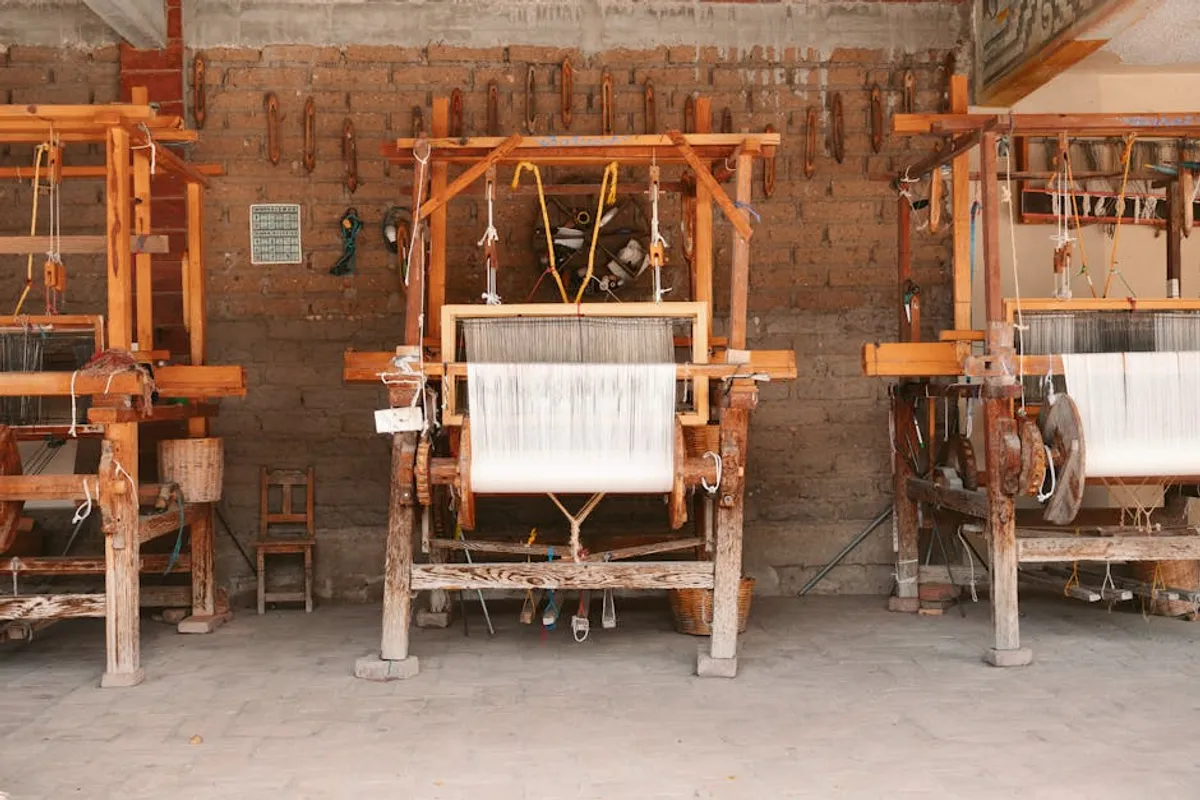
The origins of Chimayo weaving are rooted in a confluence of cultural influences that shaped New Mexico's Rio Grande Valley. Spanish colonial settlers introduced Churro sheep and European-style upright looms to the region in the 17th and 18th centuries. This technology merged with existing Pueblo textile traditions, which already featured skilled cotton and yucca fiber weaving. The remote, fertile valley of Chimayo, New Mexico, became a significant hub for this burgeoning craft, largely due to the isolation that fostered self-sufficiency and the availability of wool.
By the 19th century, Chimayo weavers, often working within family lineages, began to develop a distinctive style. Unlike the more pictorial or ceremonial Navajo weavings, early Chimayo textiles were primarily utilitarian—used as blankets, rugs, and serapes. The craft experienced a commercial resurgence in the early 20th century with the advent of the automobile and increased tourism along the "High Road to Taos." Families like the Ortegas and Centinelas played pivotal roles, establishing workshops that continue to operate today, adapting traditional designs for a broader market while maintaining core techniques.
Influences and Evolution
The evolution of Chimayo weaving is marked by specific adaptations:
- Spanish Colonial Foundation: Introduction of the European treadle loom and sheep for wool production.
- Pueblo and Indigenous Adaptation: Integration of local dyeing techniques and design sensibilities.
- Early 20th Century Commercialization: Shift from purely utilitarian items to decorative pieces for the tourist market, leading to standardized patterns and sizes.
- Modern Craftsmanship: Contemporary weavers continue to innovate within the established framework, sometimes incorporating new color palettes or finer weaves, but always referencing the historical motifs.
Identifying Characteristic Chimayo Patterns
Chimayo textiles are immediately recognizable by their distinctive geometric patterns, which are typically bold, symmetrical, and executed in a limited, earthy color palette. Unlike the free-form or narrative designs found in some other Southwestern traditions, Chimayo patterns are highly structured, often featuring central panels flanked by borders.
Key pattern elements include:
- Banded Designs: Horizontal stripes and bands are fundamental, often varying in width and color.
- Central Motifs: A prominent central design, often a "Saltillo diamond," serrated diamonds, or crosses, forms the focal point. These motifs are frequently repeated or mirrored.
- Serrated Edges: Many geometric shapes, especially diamonds and triangles, feature serrated or stepped outlines, creating a dynamic visual texture.
- Fretwork and Meanders: Intricate, angular patterns that resemble architectural fretwork or meandering lines are common within borders or as infill for larger shapes.
The traditional color palette typically includes natural wool tones (creams, browns, grays) augmented by vegetable dyes or early aniline dyes in shades of red, black, indigo, and forest green. Modern pieces may incorporate a wider range of colors, but the classic aesthetic remains grounded in these traditional hues.
Pro Tip: When examining Chimayo patterns, look for consistency in the execution of geometric shapes and the symmetry of the overall design. Authentic pieces will display a high degree of precision in their weaving, with clean lines and uniform tension across the textile. Irregularities in pattern or weave density can indicate a lower-quality piece or a non-traditional origin.
Assessing the Value of Chimayo Weavings
The value of a Chimayo weaving is determined by several interlocking factors, reflecting both its artistic merit and its historical significance. Understanding these criteria is crucial for anyone looking to acquire or appraise these textiles.
Key Value Determinants
1. Age and Provenance: Older pieces, particularly those from the early 20th century or earlier, generally command higher prices. Documented provenance, such as a known weaver or a clear chain of ownership, significantly enhances value.
2. Weaver and Workshop: Textiles from renowned weaving families (e.g., Ortega, Centinela) or specific master weavers are highly sought after. Their reputation is built on consistent quality and adherence to traditional methods.
3. Condition: The physical state of the weaving is paramount. Pieces with minimal wear, no significant fading, and intact selvedges and fringes will be more valuable. Repairs, if expertly done and disclosed, can mitigate damage but generally reduce value compared to an untouched piece.
4. Complexity and Fineness of Weave: A tighter, more intricate weave with a higher thread count per inch indicates greater skill and time invested. Complex patterns with multiple colors and detailed motifs also contribute to higher value.
5. Materials: Traditional Chimayo weavings utilize hand-spun Churro wool, known for its durability and luster. While some modern pieces use commercial yarns, those made with traditional, naturally dyed, hand-spun wool are often more desirable to collectors.
6. Rarity and Uniqueness: Exceptional designs, unusual color combinations, or pieces that represent a specific, rare period in the weaving tradition can fetch premium prices. Limited production items or custom commissions also hold distinct value.
The market for Chimayo weavings can vary, with antique and vintage pieces often appraised by specialists in Southwestern art and textiles. Contemporary pieces from established workshops are generally priced based on size, complexity, and the reputation of the weaver.
Navigating the Chimayo Weaving Market
For those interested in acquiring or learning more about Chimayo weavings, focus on reputable sources. Galleries specializing in Native American or Southwestern art, established antique dealers, and the workshops in Chimayo itself are reliable avenues. Engage with sellers who can provide information on a piece's history, materials, and the weaver. This diligence ensures an informed purchase and a deeper appreciation for the textile's heritage.
Frequently Asked Questions
What is the difference between Chimayo and Navajo weaving?
Chimayo weaving primarily uses a Spanish-influenced treadle loom, resulting in a distinct, often banded, geometric style with a more uniform weave. Navajo weaving, by contrast, uses a vertical loom and is known for its diverse patterns, including pictorials, eye-dazzlers, and regional styles like Ganado or Teec Nos Pos, often with more varied and symbolic motifs.
How do I care for a Chimayo weaving?
Chimayo weavings should be displayed out of direct sunlight to prevent fading. For cleaning, gentle vacuuming with a brush attachment is recommended. For deeper cleaning, consult a professional textile conservator. Avoid machine washing or harsh chemical cleaners, as these can damage the wool and dyes.
Are Chimayo weavings a good investment?
High-quality, authentic Chimayo weavings, particularly older pieces from reputable weavers, can appreciate in value over time. Like any art or antique, their investment potential is tied to rarity, condition, provenance, and market demand. They are generally considered collectible art pieces rather than short-term financial investments.
How can I tell if a Chimayo weaving is authentic?
Authenticity is best determined by examining the weave quality, pattern precision, and materials. Look for the specific geometric patterns, the characteristic feel of Churro wool, and consistent craftsmanship. Many authentic pieces from established workshops will also have a tag or label from the weaver or family workshop. When in doubt, consult with an expert or purchase from a dealer with a strong reputation for authenticity.