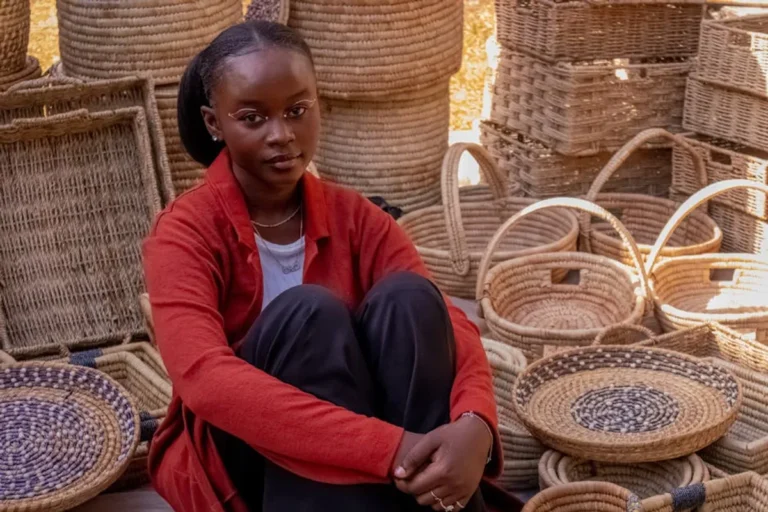
Sweetgrass baskets stand as tangible testaments to enduring cultural traditions, embodying centuries of craftsmanship and heritage. For collectors, enthusiasts, or those seeking to understand their provenance, distinguishing between the Native American and Gullah traditions is crucial. This distinction goes beyond mere aesthetics; it delves into the specific materials, techniques, and cultural narratives embedded within each coil and stitch. Understanding these foundational differences not only enhances appreciation but also informs responsible acquisition, ensuring support for the artisans and preservation of these unique art forms.
The Craft of Sweetgrass Baskets: Materials and Techniques
The creation of sweetgrass baskets is an intricate, labor-intensive process, relying on specific natural materials and time-honored coiling techniques. While regional variations exist, the core principles remain consistent across both Native American and Gullah traditions, reflecting a deep connection to the natural environment.
Primary Materials: Sweetgrass, Pine Needles, and Palmetto
The foundational material, sweetgrass (Hierochloe odorata for Native American traditions, and Muhlenbergia sericea for Gullah), is chosen for its pliable nature, aromatic qualities, and durability. However, it is rarely used alone:
- Sweetgrass (Muhlenbergia sericea): Predominantly used in Gullah baskets, this specific variety grows abundantly in the coastal regions of the Southeastern U.S. It offers a fine texture and distinct fragrance.
- Sweetgrass (Hierochloe odorata): Utilized by various Native American tribes, particularly in the Northeast. It is prized for its strong, vanilla-like scent and flexibility.
- Bulrush (Schoenoplectus americanus): A common core material for Gullah baskets, bulrush provides structural integrity and bulk, allowing for larger, more robust forms. It is typically gathered from marshy areas.
- Longleaf Pine Needles (Pinus palustris): Incorporated into both traditions, pine needles add a contrasting texture and color. They are often used for decorative patterns or as a primary coiling material in certain styles, particularly in some Native American baskets.
- Palmetto Palm Fronds (Sabal palmetto): Strips of palmetto fronds, specifically the "splits" from the young, unopened leaves, serve as the primary binding material in Gullah basketry. Their strength and flexibility allow for tight, secure stitching.
- Black Ash Splints (Fraxinus nigra): Used by some Northeastern Native American tribes, these thin, flexible strips of wood are sometimes woven into or around sweetgrass, adding structural support and decorative patterns.
Coiling and Stitching Methods
The fundamental technique involves coiling bundles of the core material (sweetgrass, bulrush, or pine needles) and then stitching them together with a finer binding material. This creates a continuous spiral that forms the basket's shape. Tools are minimal, typically consisting of an awl or "bone needle" to pierce the coils, and a knife for trimming. The tightness of the coils, the precision of the stitches, and the consistency of the shaping are hallmarks of skilled artistry.
Native American Sweetgrass Basketry: Northeastern Traditions
Native American sweetgrass basketry, particularly prominent among tribes in the Northeastern United States and Canada (such as the Iroquois, Abenaki, Penobscot, and Passamaquoddy), reflects a deep connection to ancestral lands and spiritual practices. These baskets often serve both utilitarian and ceremonial purposes.
Forms, Decoration, and Cultural Significance
Native American sweetgrass baskets typically feature a more open, pliable weave compared to their Gullah counterparts, often incorporating other natural materials for both structure and embellishment. Common forms include lidded trinket baskets, sewing baskets, and larger storage containers. Decorative elements are distinct:
- Porcupine Quills: Dyed and woven into patterns, quills add vibrant color and texture.
- Ash Splints: Thin strips of black ash are frequently interwoven with sweetgrass, creating geometric patterns or reinforcing edges.
- Sweetgrass Braids: Sometimes, sweetgrass is braided and then coiled, contributing to a unique texture.
- Natural Dyes: While less common than in other Native American crafts, some baskets feature naturally dyed materials.
The cultural significance is profound. Basket making is often passed down through generations, preserving linguistic traditions, storytelling, and spiritual connections to the land where materials are gathered. Each basket can represent a link to tribal identity and a continuation of ancestral knowledge.
Gullah Sweetgrass Baskets: Lowcountry Legacy
The Gullah sweetgrass basket tradition, originating with enslaved West Africans brought to the Lowcountry regions of South Carolina and Georgia, is a direct continuation of their agricultural practices, particularly rice cultivation. The baskets served essential utilitarian roles on plantations and evolved into a vibrant art form.
Origins, Materials, and Distinctive Forms
The Gullah tradition is characterized by its robust construction and specific material usage, reflecting its West African roots and adaptation to the coastal environment. The primary materials are local to the Lowcountry:
- Sweetgrass (Muhlenbergia sericea): The fragrant binding material.
- Bulrush: The core material, providing stiffness and durability.
- Palmetto: Used as the binding stitch, providing strength and a light color contrast.
- Longleaf Pine Needles: Often incorporated for color variation and decorative elements.
Gullah baskets are traditionally known for their tight, dense coils, making them exceptionally sturdy. Early forms, like the "fanner basket," were crucial for winnowing rice. Today, a wider array of forms exists:
- Fanner Baskets: Large, shallow, round baskets used for separating rice grains from chaff.
- Sewing Baskets: Often lidded, designed for storing sewing implements.
- Market Baskets: Sturdy, open baskets for carrying goods.
- Table Mats and Decorative Bowls: Contemporary adaptations for modern use.
The Gullah sweetgrass basket is more than a craft; it is a symbol of resilience, cultural survival, and economic independence. The art form has been maintained and adapted, providing a livelihood for many Gullah Geechee artisans and preserving a unique cultural heritage.
Distinguishing Features and Collector Considerations
For those interested in acquiring or appreciating sweetgrass baskets, understanding the subtle differences between traditions is key to identifying authenticity and supporting ethical practices. While generalizations exist, individual artisan styles can vary.
Gullah Baskets typically feature:
- Very tight, dense coils, often using bulrush as the core.
- A characteristic "sewn" appearance due to the palmetto binding.
- Often larger, more utilitarian forms, though decorative pieces are common.
- Materials primarily from the Lowcountry (sweetgrass, bulrush, palmetto, pine needles).
Native American Baskets (Northeastern) typically feature:
- More pliable, sometimes looser weaves.
- Integration of materials like ash splints and porcupine quills.
- Often smaller, more decorative or ceremonial forms.
- Materials gathered from woodlands and forests (Hierochloe odorata sweetgrass, black ash).
Pro Tip: Authenticity and Provenance
When evaluating a sweetgrass basket, always inquire about its maker and origin. Reputable sellers and cultural centers can provide information about the artisan, the specific tradition, and the materials used. Look for consistent coiling, tight stitching, and a harmonious overall design. Avoid baskets that feel overly rigid from artificial stiffeners or display inconsistent craftsmanship, as these may indicate mass production or inauthentic origins. Direct purchase from artisans or established cultural organizations is the most reliable way to ensure authenticity and support the craft directly.
Preserving and Appreciating Basketry Heritage
The continued existence of sweetgrass basketry relies on informed appreciation and active preservation efforts. Supporting artisans directly, whether through purchase or patronage, ensures the economic viability of the craft and encourages the transmission of skills to younger generations. Engaging with cultural institutions and educational programs focused on these traditions also contributes to their longevity. Proper care, including keeping baskets out of direct sunlight and maintaining a stable humidity, will help preserve their structural integrity and beauty for decades.
Frequently Asked Questions
What is sweetgrass basketry?
Sweetgrass basketry is an ancient craft involving the coiling and stitching of natural plant materials, primarily sweetgrass, to create functional and decorative baskets. It is practiced by various indigenous cultures globally, with prominent traditions in Native American communities and among the Gullah Geechee people.
What is the primary difference between Native American and Gullah sweetgrass baskets?
The primary differences lie in their geographical origins, specific plant materials used, typical forms, and decorative elements. Gullah baskets originate in the South Carolina Lowcountry, often use bulrush as a core and palmetto for binding, and are known for their tight, dense coils. Native American baskets, particularly from the Northeast, often incorporate ash splints and porcupine quills, and may have a more pliable weave using a different variety of sweetgrass.
How can I identify an authentic sweetgrass basket?
Authentic sweetgrass baskets exhibit consistent, skilled craftsmanship, often with a natural fragrance. Look for information on the artisan's background and the specific tradition it represents. Direct purchases from known artisans, cultural centers, or reputable galleries are the most reliable sources for authentic pieces.
How should I care for a sweetgrass basket?
To preserve a sweetgrass basket, keep it out of direct sunlight to prevent fading and drying. Maintain stable humidity to avoid brittleness or mold. Dust gently with a soft brush or cloth. Avoid submerging it in water or using harsh cleaning agents.