
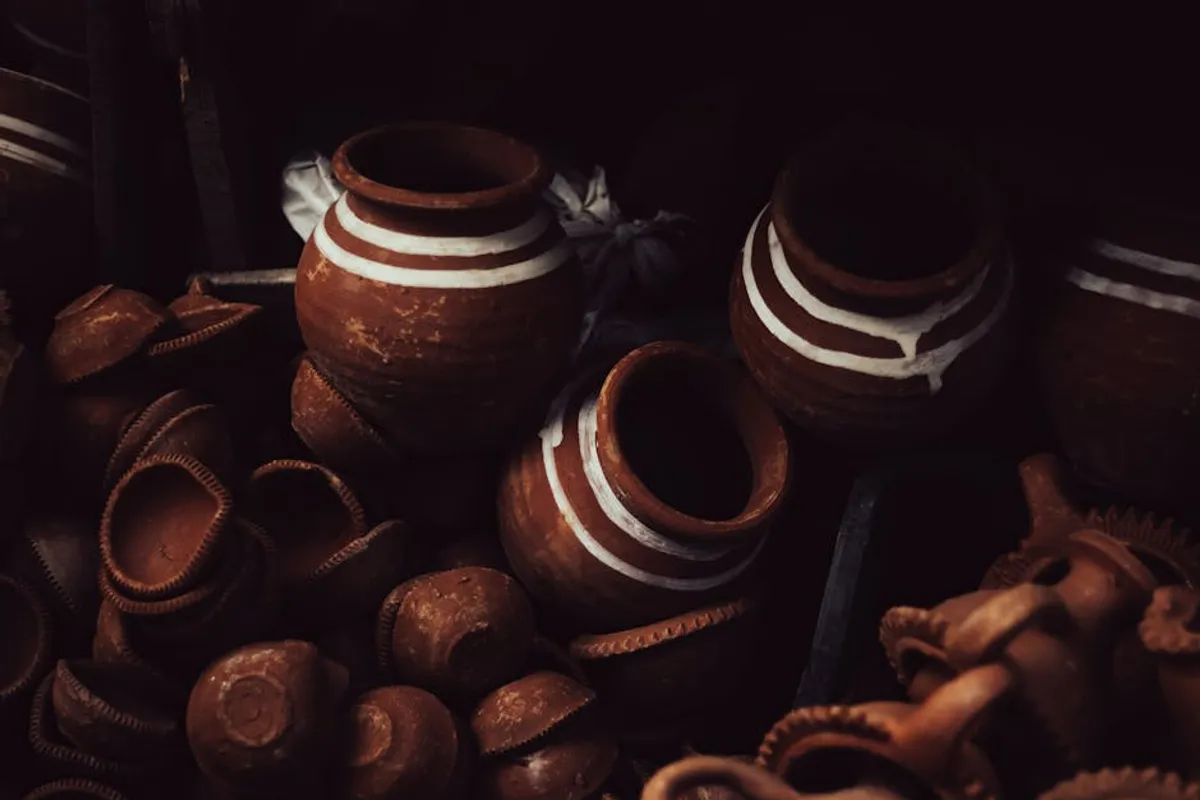
Native American Redware pottery represents a distinct category within traditional ceramics, characterized by its earthy red hues and often unglazed, polished surfaces. For collectors, enthusiasts, or those seeking to understand its cultural significance, distinguishing between regional styles is crucial. This involves recognizing specific material choices, construction methods, and decorative practices that tie each piece to its origin and the hands of its maker. Understanding these nuances not only enhances appreciation but also informs decisions regarding authenticity, value, and preservation.
Defining Native American Redware Pottery
Redware pottery derives its name from the characteristic reddish-brown color of the clay used, which is rich in iron oxides. Unlike high-fired stoneware or porcelain, traditional Native American redware is typically low-fired, a process that maintains the clay’s natural color and often results in a porous body. This low-temperature firing, often in open pits or rudimentary kilns, is a defining characteristic, imparting a distinct texture and acoustic quality to the finished piece.
- Material Selection: Potters historically sourced local clays, often blending them with temper agents like sand, crushed shell, or volcanic ash to improve workability and prevent cracking during firing. The specific mineral composition of these clays directly influences the final red tone, ranging from deep terra cotta to lighter orange-reds.
- Surface Treatment: Many redware traditions feature a highly polished surface, achieved through a process called "burnishing." Before firing, the leather-hard clay is rubbed vigorously with a smooth stone or tool, compacting the surface particles to create a natural sheen. This burnishing can make the pottery appear glazed, though no glaze is actually applied. Some styles also incorporate slips—thin coats of liquid clay—to create contrasting colors or patterns, often black or white on the red base.
- Cultural Context: Beyond aesthetics, redware pottery served essential roles in daily life, ceremony, and trade. Forms varied from utilitarian cooking and storage vessels to ceremonial effigies and decorative pieces. The continuity of these forms and techniques reflects deep cultural traditions passed down through generations.
Key Regional Styles and Distinguishing Features
Southwestern Pueblo Redware
The Pueblo peoples of the American Southwest are renowned for their sophisticated pottery traditions, including distinctive redware. These styles are often characterized by meticulous hand-coiling, precise forms, and intricate decoration.
Specific Styles:
- Santa Clara Pueblo: Known for its highly polished, often unpainted redware, sometimes featuring carved designs. The deep red is achieved through specific firing techniques that ensure oxidation. Later, the more famous blackware emerged from similar firing methods, but the redware tradition is foundational.
- San Ildefonso Pueblo: While famous for black-on-black pottery, San Ildefonso also produced significant redware, particularly before the early 20th century. These pieces often feature polished red surfaces with painted designs in black or other earth tones. Maria Martinez, a pivotal figure in Pueblo pottery, initially created redware before perfecting her blackware.
- Acoma Pueblo: Acoma redware is less common than its white-slipped polychrome pottery but exists. When present, it often showcases the thin-walled construction and geometric designs characteristic of Acoma work, sometimes with red slips over a lighter clay body.
Identifying Features: Look for very smooth, often mirror-like burnished surfaces, precise vessel symmetry, and, in some cases, incised or carved designs that stand in relief. Painted designs, when present, tend to be geometric or symbolic of natural elements.
Southeastern Native American Redware
In the Southeastern United States, traditions like those of the Catawba and Cherokee nations also feature redware, though often with different aesthetic and functional priorities than their Southwestern counterparts.
Specific Styles:
- Catawba Pottery: This tradition emphasizes utilitarian forms, often made from local red clays. Catawba pottery is typically hand-coiled and fired at low temperatures, resulting in a matte or slightly burnished surface. Pieces are often left unpainted, allowing the natural clay color and firing marks to be the primary aesthetic. Forms include bowls, jars, and pipes.
- Cherokee Pottery: Historically, Cherokee potters also utilized red clays for functional vessels. While less widely documented as a distinct "redware" category compared to the Southwest, their traditional pottery shares the low-fire, hand-coiled characteristics. Contemporary Cherokee potters continue to revive and adapt these methods, often incorporating traditional designs or forms.
Identifying Features: Southeastern redware often presents a more rustic appearance compared to Pueblo styles. Surfaces are less intensely burnished, and forms may be less symmetrical, reflecting their primary use as cooking or storage vessels. Firing clouds—darkened areas on the pottery from uneven heat exposure—are common and often considered part of the piece's character.
Pro Tip for Collectors: When evaluating Native American redware, pay close attention to the firing characteristics. Uneven color, fire clouds, and variations in surface sheen are often indicators of traditional, low-fired methods and can contribute to a piece's authenticity and historical value. Conversely, perfectly uniform color and a glass-like glaze might suggest modern production or a different ceramic tradition.
Authenticity and Value Considerations
Identifying authentic Native American redware requires a discerning eye and an understanding of traditional practices. Key indicators include:
- Construction Method: Traditional redware is hand-coiled, meaning the vessel is built up from successive rings of clay. Wheel-thrown pottery, while common in other traditions, is generally not characteristic of older, authentic Native American redware.
- Patina and Wear: Genuine older pieces will show signs of age and handling, such as a subtle softening of edges, minor surface abrasions, or a natural luster from years of use. Avoid pieces that look artificially aged or show signs of recent, heavy restoration unless fully disclosed.
- Design Motifs and Symbolism: Familiarize yourself with the traditional designs and symbols associated with specific tribes and regions. While contemporary artists innovate, historically accurate motifs are a strong indicator of authenticity.
- Artist Signatures or Marks: Many contemporary Native American potters sign their work, often with their name and tribal affiliation. Older pieces are less likely to be signed, but some may bear family or clan marks. Researching known artists can significantly aid in verification and valuation.
Practical Considerations for Collectors
Collecting Native American redware is an investment in cultural heritage. When acquiring pieces, prioritize provenance—the documented history of ownership—as it can confirm authenticity and add significant value. Engage with reputable dealers, galleries, or cultural institutions specializing in Native American art. For contemporary pieces, purchasing directly from artists or tribal cooperatives ensures ethical acquisition and supports living traditions. Proper care, including stable display conditions away from direct sunlight and extreme temperature fluctuations, is essential to preserve these delicate works for future generations.
Frequently Asked Questions
What is Native American Redware pottery?
Native American Redware pottery refers to ceramic vessels made from iron-rich clays that, when low-fired, produce a distinctive reddish-brown color, often featuring burnished, unglazed surfaces.
How can I tell if Native American redware is authentic?
Authenticity is often indicated by hand-coiled construction, traditional firing marks (like fire clouds), appropriate wear and patina for its age, and design motifs consistent with known tribal styles. Provenance and artist signatures (for newer pieces) are also key.
Which tribes are known for redware pottery?
The Pueblo peoples of the American Southwest, particularly Santa Clara and San Ildefonso, are highly recognized for their redware traditions. Southeastern tribes such as the Catawba also have a strong history of producing redware.
Is redware pottery safe for food or liquids?
Traditional Native American redware is typically low-fired and unglazed, making it porous. This means it is generally not safe for food or liquids in a modern context, as it can absorb moisture and bacteria. It is best appreciated as decorative or ceremonial art.