
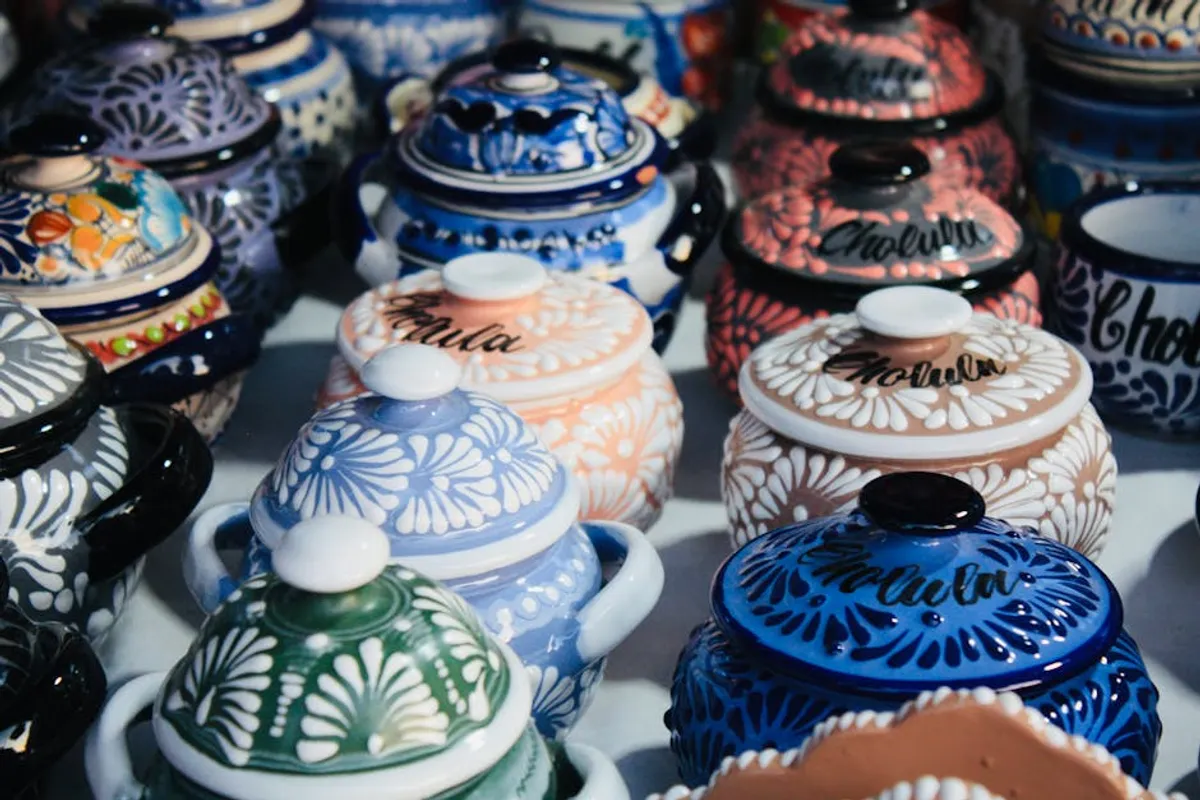
Polychrome pottery, characterized by its application of multiple colors, represents a significant category for collectors, dealers, and enthusiasts. Its commercial appeal hinges on understanding both the artistic traditions that define its patterns and the tangible factors that determine its market value. Navigating this segment requires a precise eye for detail and a clear framework for evaluation, whether considering a purchase for investment or seeking to authenticate a family heirloom.
Understanding Polychrome Pottery
Polychrome pottery refers to ceramic pieces decorated with three or more colors. This technique spans millennia and diverse cultures, from ancient Mediterranean civilizations to pre-Columbian Americas and various Asian and European traditions. The use of multiple pigments allows for intricate designs, narrative scenes, and complex geometric motifs that distinguish it from monochrome or bichrome ceramics. Its historical breadth means that "polychrome" encompasses a vast range of styles, periods, and origins, each with distinct market dynamics.
Historical Context and Regional Significance
The development of polychrome techniques often correlates with advancements in firing technology and pigment availability. For example, early Pueblo pottery in the American Southwest utilized mineral and plant-based paints that matured into distinct color palettes upon firing. Similarly, Mexican Talavera pottery, influenced by Spanish and Asian traditions, developed vibrant, lead-glazed polychrome designs. Understanding the specific regional and historical context of a piece is fundamental, as it dictates the expected patterns, materials, and potential artist associations that directly impact its commercial standing.
Key Polychrome Pottery Patterns and Styles
The patterns on polychrome pottery are not merely decorative; they are often cultural narratives, symbolic representations, or markers of specific artistic schools. Identifying these patterns is crucial for accurate classification and valuation.
Native American Polychrome Traditions
Southwestern Native American pottery, particularly from Pueblo communities, is a prime example of polychrome artistry. Styles vary significantly by pueblo and time period:
- Hopi Polychrome: Often features abstract bird motifs, migration patterns, and geometric designs in earth tones like red, black, and cream. Designs are typically hand-painted with yucca brushes.
- Zuni Polychrome: Known for its distinctive deer with heartline motif, rain birds, and rosettes, executed in black, red, and white. The designs are often dense and cover much of the vessel surface.
- Acoma Polychrome: Characterized by thin-walled vessels with intricate geometric patterns, often including fine lines, checkerboards, and parrot motifs. Colors frequently include black, orange-red, and white.
- San Ildefonso Polychrome: While famous for black-on-black, earlier periods produced polychrome wares with black and red designs on a buff slip, sometimes featuring Avanyu (feathered serpent) motifs.
Mexican and European Polychrome Styles
Beyond the American Southwest, other traditions offer equally rich pattern vocabularies:
Talavera Pottery (Mexico): Recognizable by its vibrant, hand-painted designs on a white or cream tin-glazed background. Common patterns include floral motifs, birds, animals, and intricate geometric borders, often in blue, green, yellow, black, and orange. The complexity and fineness of the brushwork directly influence its commercial appeal.
Delftware (Netherlands): While often blue and white, true polychrome Delftware features additional colors like red, green, and yellow, applied over the tin glaze. Patterns frequently depict pastoral scenes, Chinese-inspired motifs, and intricate borders. The quality of the polychrome application, particularly the clarity of colors and detail, is a key value driver.
Assessing Polychrome Pottery Value
Determining the commercial value of polychrome pottery involves a multi-faceted assessment, moving beyond mere aesthetic appreciation to concrete, verifiable attributes.
Condition and Restoration
The physical condition of a piece is perhaps the most significant factor influencing its value. A pristine, unrestored piece will always command a premium. Minor chips, hairline cracks, or abrasions can significantly reduce value, sometimes by 50% or more, depending on severity and visibility. Professional restoration, while preserving the piece, still marks it as "restored," which typically lowers its market price compared to an equivalent unrestored example. Amateur repairs, often visible and poorly executed, can drastically diminish value, sometimes rendering a piece commercially unviable for serious collectors.
Pro Tip: Always examine polychrome pottery under strong, direct light and use a magnifying glass. Look for subtle color variations, uneven surfaces, or differing lusters that might indicate professional restoration. Run a fingernail along edges to detect chips or overpainting. A UV light can also reveal areas of repair or overpainting not visible to the naked eye.
Provenance and Authenticity
Documentation of a piece's history, or provenance, adds considerable value. This includes records of ownership, exhibition history, or expert authentication. For Native American pottery, artist signatures (if applicable), family histories, or collection records can be crucial. Authenticity, confirming the piece is what it purports to be (e.g., from a specific pueblo, artist, or period), is non-negotiable. Forgeries or misattributions, even if visually compelling, hold little to no commercial value.
Artist, Age, and Rarity
The reputation of the artist, if known, is a primary value driver, especially for modern and contemporary pieces. Works by renowned potters often fetch significantly higher prices. For older, unsigned pieces, age and rarity play a larger role. A rare example from an early period or a style with few surviving examples will be more valuable than a common type, assuming condition and authenticity are met. Researching historical market trends for similar pieces provides a baseline for expected value ranges.
Complexity of Design and Craftsmanship
The intricacy, balance, and execution quality of the polychrome patterns directly impact value. Finer brushwork, more complex compositions, and harmonious color palettes are highly prized. Pieces demonstrating exceptional skill, innovation, or a unique artistic vision within their tradition often command higher prices. This includes the quality of the vessel's form itself—its symmetry, thinness, and overall aesthetic appeal.
Practical Steps for Evaluating Polychrome Pieces
When assessing a polychrome pottery piece, adopt a systematic approach:
- Initial Visual Inspection: Observe the overall form, color palette, and pattern. Does it align with known regional or historical styles?
- Condition Assessment: Thoroughly check for chips, cracks, repairs, and wear. Note any losses to the painted surface.
- Pattern Analysis: Identify specific motifs, symbols, and design elements. Research their cultural or historical significance.
- Material and Construction: Examine the clay body, slip, and glaze. Are they consistent with the purported origin and age?
- Provenance Research: Seek out any accompanying documentation, artist signatures, or collection labels.
- Comparative Research: Consult auction records, museum collections, and reputable dealer inventories for similar pieces to establish a market context.
Actionable Insights for Collectors and Sellers
For those engaging with polychrome pottery commercially, informed decisions are paramount. Collectors should prioritize condition and provenance, understanding that a well-documented, unrestored piece, even with minor flaws, often holds its value better than a heavily restored one. Sellers must accurately disclose all condition issues and provide any available provenance to build buyer trust and achieve a fair market price. Both parties benefit from consulting with reputable specialists or appraisers for high-value or complex pieces, ensuring accurate identification and valuation in a nuanced market.
Frequently Asked Questions
What is the primary difference between bichrome and polychrome pottery?
Bichrome pottery uses two colors in its decoration, while polychrome pottery incorporates three or more distinct colors, allowing for greater complexity in design.
How does a "kill hole" affect the value of Native American pottery?
A kill hole, often found in Mimbres and other ancient Native American pottery, indicates ritualistic burial and is an original feature, not damage. It does not negatively impact value and can even authenticate certain historical pieces.
Can I clean polychrome pottery myself?
Extreme caution is advised. Many polychrome pieces, especially older ones, have delicate painted surfaces or porous clay bodies. Improper cleaning can damage the finish, remove paint, or introduce moisture that causes further deterioration. Consult a professional conservator for cleaning recommendations.
Is unsigned polychrome pottery valuable?
Yes, many valuable polychrome pieces, particularly older or ancient examples, are unsigned. Value in these cases is determined by factors like age, rarity, condition, artistic merit, and documented provenance, rather than an artist's signature.