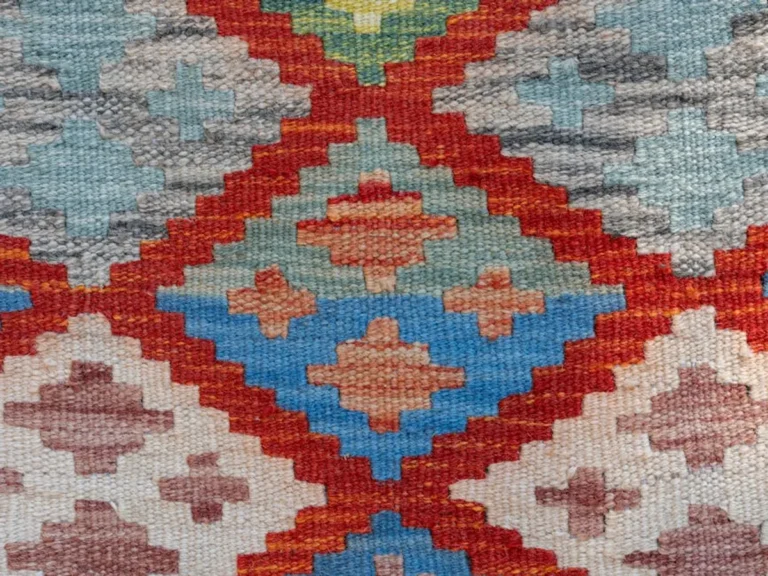

Selecting a Navajo rug involves more than appreciating its intricate patterns and rich cultural heritage; the dimensions of the piece are fundamental to its functional integration and aesthetic impact within a space. An incorrectly sized rug can disrupt room flow, diminish the rug's visual prominence, or fail to define an area effectively. The objective is to achieve a balanced composition where the rug complements existing furniture and architectural elements, rather than overwhelming or being lost within the environment.
Understanding the Impact of Rug Dimensions
The size of a Navajo rug directly dictates its role in a room. A smaller piece might serve as an accent, drawing attention to a specific area or piece of furniture. A larger rug, conversely, can anchor an entire seating arrangement, define a dining space, or provide a foundational layer for a bedroom. Misjudging these dimensions can lead to a rug that feels disproportionate, either too vast for the area it occupies or too small to fulfill its intended purpose. Consider how the rug will interact with foot traffic, furniture legs, and the overall room volume.
Measuring Your Space Accurately
Before considering specific rug dimensions, precise measurements of the intended placement area are essential. This process moves beyond simple room length and width, incorporating furniture layouts and desired pathways. Use a measuring tape to determine the maximum and minimum viable dimensions for the rug. For areas with existing furniture, measure the space underneath and around the pieces. This ensures the rug will fit without obstructing doors, vents, or built-in elements.
Pro Tip: To visualize how different rug sizes will appear in your space, use painter's tape or newspapers to outline the potential dimensions on the floor. This provides a tangible reference for scale and helps confirm furniture placement relative to the rug's edges, preventing costly sizing errors.
Common Navajo Rug Dimensions and Their Applications
Navajo rugs are handwoven, meaning exact uniformity in size is rare. However, common approximate dimensions have emerged based on traditional weaving practices and modern demand. Understanding these general ranges helps narrow down choices:
- Small accent rugs (typically 2'x3' to 3'x5'): These are effective for adding a splash of color and pattern in entryways, in front of a fireplace, or as a decorative layer over existing carpeting. They define small zones without dominating.
- Medium area rugs (typically 4'x6' to 6'x9'): Often used to anchor a smaller seating area, define a dining space for a four-person table, or serve as a central piece in a bedroom. They provide substantial floor coverage while leaving ample border.
- Large area rugs (typically 8'x10' to 9'x12'): These rugs are designed to ground larger living rooms, accommodate full dining sets, or fill master bedrooms. They create a cohesive foundation for multiple furniture pieces, often allowing all primary furniture legs to rest on the rug.
- Runners (typically 2'x6' to 3'x12' or longer): Ideal for hallways, staircases, or narrow transitional spaces. Their elongated form provides visual guidance and protects high-traffic areas, adding linear interest.
Placement Strategies for Different Rooms
The room's function dictates specific sizing and placement considerations:
Living Room Considerations
For a living room, the rug should be large enough to define the primary seating area. Ideally, all front legs of major furniture pieces (sofa, armchairs) should rest on the rug to create a unified and grounded look. Alternatively, a rug can be large enough for all furniture to sit entirely on it, or small enough to sit in the center of a conversational area, with furniture arranged around it. The key is to avoid a "floating" rug that is too small for any furniture to touch, making the space feel disjointed.
Dining Room Considerations
In a dining room, the rug must accommodate the dining table and chairs, even when the chairs are pulled out. Measure the table length and width, then add at least 24-30 inches on all sides to ensure chairs remain on the rug when occupied. This prevents chairs from catching on the rug's edge, enhancing both aesthetics and functionality.
Bedroom Considerations
For bedrooms, a large rug can provide a soft landing for feet on both sides and at the foot of the bed. A common approach is to place a rug perpendicular to the bed, extending at least 18-24 inches beyond the sides and foot. For smaller bedrooms, two smaller runners on either side of the bed can offer a similar effect without requiring a single large piece.
Considering the Handwoven Nature of Navajo Rugs
Unlike machine-made carpets, handwoven Navajo rugs possess inherent variations. Dimensions can differ slightly from stated measurements, often by an inch or two in either direction. This is a characteristic of their artisanal creation and not a defect. When planning, allow for these minor variances, particularly if the rug needs to fit into a very precise area. Focus on the overall visual balance rather than exact millimetric precision.
Finalizing Your Selection
After measuring your space and considering potential layouts, revisit the purpose of the rug. Is it intended as a primary floor covering, an artistic centerpiece, or a functional accent? This clarity will guide the final size choice. Remember that a Navajo rug is an investment in artistry and history. Selecting the right size ensures its beauty and story are presented optimally within your home.
Frequently Asked Questions
Can Navajo rugs be custom-sized?
While some contemporary weavers may accept commissions for specific sizes, traditional Navajo rugs are typically woven to standard, though variable, dimensions. Custom sizing is not a common offering for historic or vintage pieces.
How much floor border should a rug leave?
In most rooms, aim for 12-18 inches of exposed flooring around the perimeter of a large area rug. For smaller rooms, 6-12 inches can be appropriate. This border provides a visual frame and prevents the room from feeling completely carpeted.
What if my room is irregularly shaped?
For irregularly shaped rooms, consider using multiple smaller rugs to define distinct zones. Alternatively, select a rug that anchors the largest, most central functional area, allowing the room's unique contours to remain visible around it.
Do all Navajo rugs have standard sizes?
No, Navajo rugs are handwoven, and while common size ranges exist, exact standardization is not typical. Dimensions can vary based on the weaver's loom, design, and materials. Always confirm the specific dimensions of an individual rug.