Handwoven Navajo rugs represent more than functional floor coverings; they are tangible expressions of cultural heritage, artistic skill, and historical narrative. Their enduring appeal and increasing market value stem from a confluence of factors, each contributing to their distinctiveness and desirability among collectors, interior designers, and art enthusiasts. Understanding these elements is crucial for anyone seeking to acquire or appraise these intricate textiles, moving beyond mere aesthetics to appreciate the depth of their worth.
The Intricacy of Craftsmanship and Material
The foundation of a Navajo rug's value lies in the meticulous handcrafting process. Unlike commercially produced textiles, each Navajo rug is a labor-intensive creation, often taking months or even years to complete. The quality of the weave, the consistency of the yarn, and the dyes employed are primary indicators of its inherent worth.
Yarn Quality and Preparation
Authentic Navajo rugs are woven from sheep's wool, traditionally sourced from Navajo-Churro sheep known for their long, coarse fibers ideal for rug making. The value increases significantly when the wool is hand-carded and hand-spun by the weaver. This process ensures a unique texture and strength, distinguishing it from machine-processed yarns. Hand-spun wool often exhibits slight variations in thickness, adding character and depth to the finished piece that machine-spun yarns cannot replicate. The tighter the spin and the more uniform the thickness, the higher the perceived quality and durability.
Dye Mastery and Color Palette
The dyes used are another critical determinant of value. Early Navajo rugs often featured natural dyes derived from plants, minerals, and insects, producing a rich, earthy palette of reds (from cochineal), yellows, blues (from indigo), greens, and browns. Rugs made with these natural dyes are highly prized for their organic hues, colorfastness, and historical accuracy. The complexity of achieving specific shades and the knowledge required for their preparation speak to the weaver's expertise. While commercial aniline dyes became prevalent in the late 19th and early 20th centuries, rugs utilizing a sophisticated range of natural dyes or a harmonious blend of both, often command higher prices due to the artistry involved in their color composition.
Weave Density and Precision
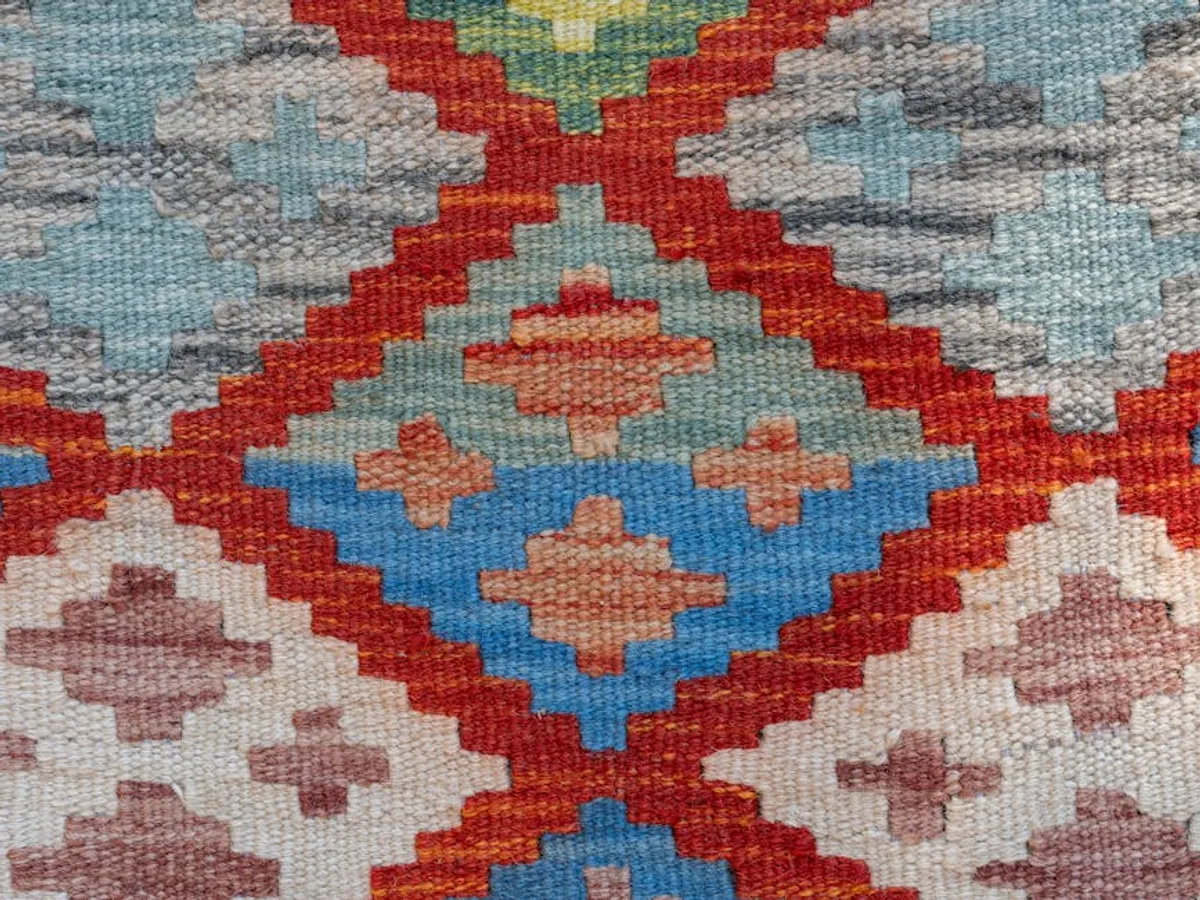
The tightness and evenness of the weave directly impact a rug's durability and the clarity of its design. A high-quality Navajo rug will have a dense, compact weave, meaning more weft threads per inch. This density not only contributes to the rug's structural integrity but also allows for finer, more intricate patterns. Weavers who achieve remarkable precision, with straight lines, sharp corners, and consistent tension throughout the rug, demonstrate a superior level of skill that elevates the rug's value.
Design, Pattern, and Regional Styles
Navajo rug designs are not merely decorative; they are often imbued with cultural significance and reflect specific regional traditions that have evolved over generations. The complexity, balance, and originality of a design are key value drivers.
Iconic Regional Designs
Certain regional styles are highly sought after due to their distinctive patterns and the master weavers associated with them. For example:
- Two Grey Hills: Known for their incredibly fine weave, natural undyed wools (black, white, grey, brown), and intricate geometric patterns. These rugs often feature central medallions and highly detailed borders.
- Ganado: Characterized by bold geometric designs, often dominated by a vibrant, deep red background with black, white, and grey elements. The "Ganado Red" is iconic.
- Teec Nos Pos: Distinguished by elaborate, highly detailed patterns, often incorporating Oriental rug influences with complex borders and multiple design elements. They frequently use a wider array of colors.
- Crystal: Early Crystal rugs are known for their banded designs and natural colors. Later Crystal rugs incorporated more complex patterns and colors.
- Burntwater: A contemporary style that blends elements of Ganado and Two Grey Hills, often featuring intricate geometric designs in a sophisticated palette of natural and dyed colors.
Rugs that clearly exemplify these established styles, especially those with exceptional execution and design balance, are typically more valuable.
Provenance, Age, and Weaver Reputation
The history behind a Navajo rug significantly impacts its worth. Documented provenance, its age, and the reputation of its creator can elevate a rug from a decorative item to a significant art piece.
Historical Context and Age
Older rugs, particularly those from the "Classic" (pre-1880) and "Transitional" (1880-1900) periods, are often considered museum-quality artifacts. Their rarity and historical significance command premium prices. Even rugs from the early 20th century, if well-preserved and representative of a specific stylistic evolution, hold substantial value. The condition relative to its age is crucial; an older rug in excellent, original condition is far more valuable than one with significant wear or repairs.
Identifying the Weaver
The identity of the weaver, if known, can dramatically increase a rug's value. Master weavers, particularly those recognized for their exceptional skill, innovative designs, or contributions to specific regional styles, often have their work sought after by collectors. While most Navajo rugs are unsigned, some contemporary weavers do incorporate a signature or a distinct, recognizable motif. Documented sales records, exhibition history, or family provenance linking a rug to a renowned weaver add considerable weight to its appraisal.
Condition and Size Considerations
The physical state of a Navajo rug and its dimensions are practical factors that directly influence its market price.
Preservation and Repairs
A rug in excellent, original condition with minimal wear, no holes, tears, or significant fading is always more valuable. Professional, invisible repairs can maintain some value, but extensive or poorly executed repairs will diminish it. Evidence of proper care, such as being kept out of direct sunlight and free from pest damage, indicates a well-preserved piece. Rugs that have been improperly cleaned or stored may suffer irreversible damage, reducing their appeal and market price.
Dimensions and Utility
Generally, larger rugs, especially those with complex designs and fine weaves, tend to be more valuable because they represent a greater investment of time, material, and skill. However, smaller, exceptionally well-executed pieces from renowned weavers or significant historical periods can also command high prices. The utility of the size also plays a role; rugs that fit common room dimensions or serve as striking wall hangings often have broader appeal.
Pro Tip: When evaluating a Navajo rug, always seek multiple expert opinions from reputable dealers or appraisers specializing in Native American textiles. Be wary of claims that cannot be substantiated by documentation, established regional characteristics, or verifiable weaver information. Authentication is paramount to understanding true value.
Assessing and Appreciating Value
Determining the value of a handwoven Navajo rug requires a discerning eye and an understanding of its multifaceted attributes. It's an intersection of art history, textile science, and cultural appreciation. Focus on the tangible details: the tight, even weave, the quality of the hand-spun wool, the origin of the dyes, and the clarity and balance of the design. Research regional styles and familiarizing oneself with the work of master weavers can provide context. Ultimately, the value is not just monetary but also lies in the rug's ability to tell a story, preserve a tradition, and showcase unparalleled artistic skill.
Frequently Asked Questions
How can I verify the authenticity of a Navajo rug?
Authenticity is best verified by consulting reputable Native American art dealers, appraisers specializing in Navajo textiles, or cultural institutions. They can assess weave structure, materials, dyes, and design elements against established historical and regional benchmarks. Look for documentation of provenance if available.
Are natural dyes always more valuable than commercial dyes?
Rugs made exclusively with well-executed natural dyes are often highly prized for their historical accuracy, organic beauty, and colorfastness. However, a rug using commercial dyes can still be very valuable if it exhibits exceptional craftsmanship, a sophisticated design, and is from a significant period or weaver. The quality of the dye application and the overall aesthetic impact are key.
What is the most important factor for a Navajo rug to increase in value?
While many factors contribute, the combination of exceptional craftsmanship (fine, tight weave, quality materials), a distinctive and well-executed design (often tied to a regional style), and excellent original condition tends to be the most critical for long-term value appreciation. Provenance and weaver reputation further enhance this.
How should I care for a valuable handwoven Navajo rug?
To preserve its value, keep the rug out of direct sunlight to prevent fading. Rotate it periodically to ensure even wear if on the floor. Avoid harsh chemical cleaners; professional cleaning by a specialist in antique textiles is recommended every few years. Store it rolled, not folded, in a breathable fabric away from pests and humidity.