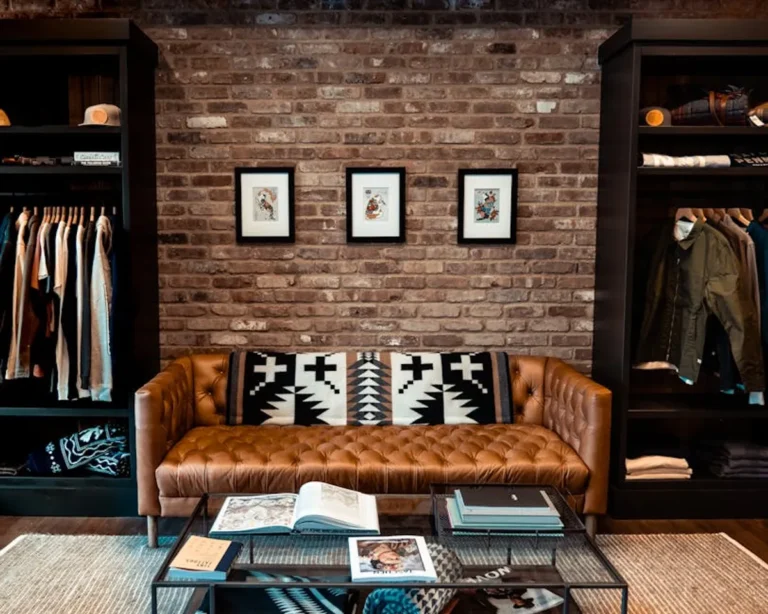
Native American blankets represent more than just textiles; they are woven narratives, cultural touchstones, and significant artistic achievements. For collectors, understanding their intricate history and the nuances of their craftsmanship is essential, not only for appreciation but also for informed acquisition and preservation. These pieces vary widely in origin, materials, and design, reflecting distinct tribal traditions and historical periods. Approaching this collecting area requires a blend of historical knowledge, an eye for detail, and a commitment to responsible stewardship, ensuring that each blanket's story and value are recognized.
The Historical Tapestry of Native American Weaving
The tradition of weaving among Indigenous peoples in North America predates European contact, with early examples often utilizing plant fibers or animal hair. The introduction of sheep by the Spanish in the 17th century, particularly the Churro breed, revolutionized textile production in the Southwest. This provided a durable, abundant wool source that transformed weaving into a prominent art form and economic activity, especially among the Navajo (Diné) and Pueblo peoples.
Navajo weaving, in particular, evolved through several distinct periods, each characterized by specific patterns, dyes, and functions:
- Classic Period (pre-1865): Characterized by natural wool colors (white, black, brown) and early natural dyes like indigo (blue) and cochineal (red). Designs were often simple stripes or banded patterns, primarily used as wearing blankets.
- Transitional Period (1865-1890): Marked by the introduction of commercial yarns and aniline dyes, leading to a broader color palette and more complex geometric designs. The function began shifting from personal wear to trade items, including rugs.
- Rug Period (1890-present): As railroads expanded, Navajo weavers adapted designs for the tourist and commercial rug market. Regional styles emerged, such as Ganado (reds, blacks, whites), Two Grey Hills (natural wool colors, intricate patterns), and Teec Nos Pos (complex, bordered designs with vibrant colors).
Beyond the Navajo, other tribes produced significant textiles. The Pueblo people, particularly the Hopi and Zuni, maintained distinct weaving traditions, often incorporating cotton and unique ceremonial motifs. Chimayo weavers in New Mexico, influenced by both Spanish and Pueblo techniques, developed their own recognizable style of serapes and blankets featuring distinctive striped and geometric patterns.
Identifying Authentic Blankets: Materials, Dyes, and Weave
Authenticity and provenance are paramount in collecting Native American blankets. Examining the materials, dye types, and weaving techniques provides critical clues to a blanket's age, origin, and value.
Material Composition
Historically, churro wool was prized for its long, coarse fibers, which were naturally water-repellent and durable. Later, merino wool and commercial cotton yarns were introduced. Collectors should look for consistency in fiber type and spin. Handspun wool often shows slight irregularities, a hallmark of traditional craftsmanship, while machine-spun yarns indicate a later production date.
Dye Analysis
The dyes used are key indicators of age. Early blankets feature a limited palette from natural sources:
- Indigo: Produces deep blues, often seen in classic Navajo pieces.
- Cochineal: A natural insect dye yielding vibrant reds and purples, frequently combined with indigo for rich effects.
- Vegetable Dyes: Various plants provided yellows, browns, and greens, though these were less common or stable than indigo and cochineal.
The advent of aniline dyes in the late 19th century introduced a vast spectrum of bright, often synthetic-looking colors. While not inherently less valuable, their presence helps date a blanket to the Transitional or Rug Periods. Fading patterns can also indicate dye type; natural dyes tend to fade more subtly and evenly than some early aniline dyes.
Weaving Techniques and Patterns
Most Native American blankets are woven on upright looms using plain weave or twill weave techniques. The tightness and evenness of the weave reflect the weaver's skill. Navajo blankets are particularly known for their tight, interlocking tapestry weave, which creates sharp, defined patterns. Designs are often geometric, incorporating diamonds, zigzags, stepped patterns, and crosses, each potentially carrying cultural significance.
Pro Tip for Collectors: Always prioritize blankets with documented provenance, if possible. A clear history of ownership or acquisition from a reputable dealer significantly enhances a blanket's value and verifies its authenticity. Be wary of pieces without any historical context, especially if the price seems too good to be true.
Collecting and Preserving Your Blanket Investment
Acquiring Native American blankets requires careful consideration of condition, market value, and ethical sourcing. Responsible collecting contributes to the preservation of these cultural artifacts.
Condition Assessment
A blanket's condition directly impacts its value. Assess for:
- Wear and Abrasion: Look for thinning areas, worn edges, or holes.
- Moth Damage: Small, irregular holes are typical signs of moth activity.
- Stains and Fading: Evaluate the extent and nature of discoloration.
- Repairs: Expertly executed repairs can be acceptable, but poorly done or extensive repairs can diminish value. Original condition, even with minor flaws, is often preferred over heavily restored pieces.
Market Value Factors
Several elements determine a blanket's market value:
- Age and Rarity: Older, rarer pieces from the Classic or early Transitional periods command higher prices.
- Artist and Origin: Known weavers or specific regional styles (e.g., Germantown, Two Grey Hills) can increase value.
- Condition: As noted, good condition is crucial.
- Aesthetic Appeal: Exceptional design, color harmony, and technical execution are highly valued.
- Size: Larger, well-preserved examples can be more desirable.
Care and Preservation
Proper care is essential to maintain a blanket's integrity and value. Store blankets flat in a cool, dry, dark environment, ideally wrapped in acid-free tissue or unbleached cotton. Avoid direct sunlight, which causes fading, and high humidity, which can promote mold growth. Regular, gentle vacuuming with a screen can remove dust, but professional cleaning by a textile conservator is recommended for deeper cleaning or stain removal. Never machine wash or tumble dry historic textiles.
Informed Acquisition and Stewardship
Collecting Native American blankets is a journey into history, art, and cultural legacy. By understanding the historical context, recognizing the nuances of craftsmanship, and applying diligent assessment practices, collectors can make informed decisions. This approach not only builds a meaningful collection but also contributes to the respectful preservation of these irreplaceable works, ensuring their stories continue for future generations.
Frequently Asked Questions
How can I tell if a Native American blanket is genuinely old?
Examine the wool (handspun vs. machine-spun), dye types (natural vs. aniline), and weaving tightness. Older blankets often show a natural patina, subtle fading, and irregularities indicative of traditional, pre-industrial production methods. Professional appraisal is often recommended for definitive dating.
What is the difference between a Navajo blanket and a Navajo rug?
Historically, "blankets" were primarily woven for wearing, characterized by a softer drape and often simpler designs. "Rugs" were developed later for floor coverings or commercial trade, typically featuring a denser weave for durability and more complex, often bordered, designs. The distinction often relates to the period of creation and intended use.
Can I clean a vintage Native American blanket myself?
For valuable or antique pieces, professional cleaning by a textile conservator is strongly advised. Incorrect cleaning methods can cause irreparable damage, color bleeding, or fiber degradation. For light dust, a gentle vacuuming through a screen can be done, but avoid water or harsh chemicals.