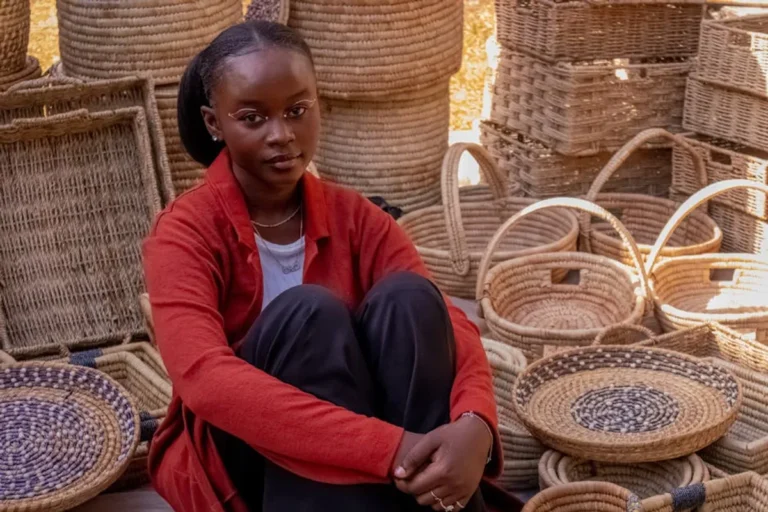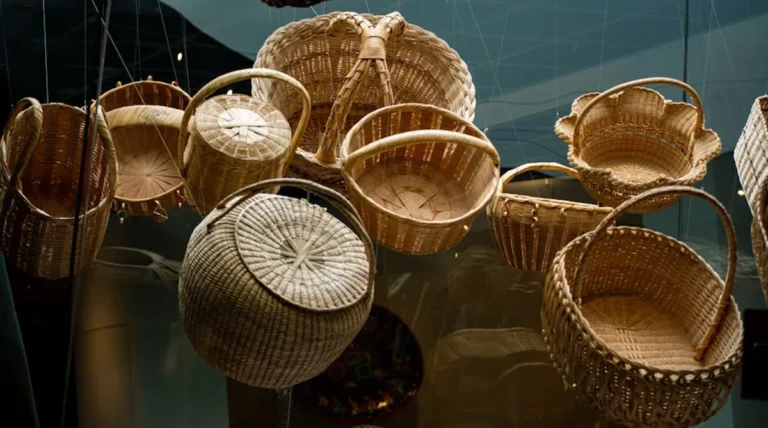

Understanding the core materials used in Native American basketry offers direct insight into the craft's regional diversity, structural integrity, and cultural significance. Willow, yucca, and sweetgrass represent three distinct categories of plant fibers, each imparting unique characteristics to the finished basket. For collectors, cultural institutions, or those seeking to appreciate the artistry, recognizing these material properties is fundamental to identifying authenticity, assessing historical context, and discerning the skill involved in their preparation and weaving.
Willow: Flexibility and Durability
Willow, primarily derived from various Salix species, serves as a foundational material for many Native American basket traditions, particularly in colder climates and along river systems. Its widespread availability and inherent pliability make it suitable for a range of weaving techniques.
- Preparation: Harvesters typically collect willow shoots in late winter or early spring when sap is rising, allowing for easier peeling of the bark. The peeled rods are then dried and often split into thinner strands using a bone or metal tool. Soaking the dried willow before weaving restores its flexibility, preventing breakage during manipulation.
- Characteristics: Willow offers exceptional tensile strength and flexibility. Its natural color ranges from pale cream (when peeled) to rich reddish-brown (with bark intact), enabling subtle color variations within a single basket. The material's smooth surface and consistent diameter allow for tight, even weaves, producing durable and often watertight containers.
- Typical Uses: Willow is frequently employed in coiled, twined, and plaited baskets. Its strength makes it ideal for utilitarian items such as burden baskets, storage containers, and fish traps, where resilience and load-bearing capacity are paramount.
Yucca: Strength and Structure
Yucca, a desert plant known for its long, fibrous leaves, is a staple material in arid and semi-arid regions, particularly across the American Southwest. Its robust fibers provide a distinct rigidity and strength, making it invaluable for baskets requiring significant structural integrity.
- Preparation: Yucca leaves are harvested and then processed to extract their tough fibers. This often involves retting (soaking in water to break down non-fibrous material), drying, and then splitting the leaves into narrower strips or separating the individual fibers. The fibers can be further softened by pounding or chewed to increase pliability for weaving.
- Characteristics: Yucca fibers are remarkably strong and resistant to decay, offering baskets exceptional longevity. They possess a natural stiffness that contributes to self-supporting structures. The plant's natural color is typically a pale green or yellowish-white, which can be dyed using indigenous plant extracts to achieve a broader palette.
- Typical Uses: Yucca is a primary material for coiled basketry, where its stiff fibers form the core and stitching elements. It is also used in twining and plaiting for items like trays, shallow bowls, and sandals, where a rigid form is desired. Its durability made it suitable for carrying baskets and ceremonial objects intended for long-term use.
Sweetgrass: Aroma and Aesthetics
Sweetgrass (Hierochloe odorata), a fragrant perennial grass, holds significant cultural and spiritual importance, particularly among Eastern Woodlands and Great Plains tribes. Its use in basketry is often ceremonial or decorative, valued for its distinctive vanilla-like scent and aesthetic appeal.
- Preparation: Sweetgrass is typically harvested by hand, carefully pulled from the ground rather than cut, to ensure the entire strand is collected. It is then dried, often by braiding or hanging in bundles, which preserves its fragrance and makes it ready for weaving.
- Characteristics: Unlike willow or yucca, sweetgrass is not primarily chosen for its structural strength. Its key attributes are its enduring, pleasant aroma, soft texture, and a natural golden-green hue that deepens with age. It is more pliable and delicate than other basketry materials.
- Typical Uses: Sweetgrass is frequently used as a decorative overlay or as the primary material for smaller, coiled baskets. It is often braided and then coiled to create small containers for personal items, ceremonial objects, or gifts, where its fragrance adds a sensory dimension to the craft. Its softness also makes it suitable for items that might come into contact with skin or delicate materials.
Combining Materials for Function and Form
Master basket weavers often integrate multiple materials to leverage their individual strengths, creating objects that are both functional and aesthetically complex. For instance, a basket might feature a strong willow or yucca frame to provide structural integrity, while sweetgrass is coiled or woven around it for its aromatic qualities and visual appeal. This layering of materials demonstrates advanced technical skill and a profound understanding of each plant's properties.
The choice of material reflects not only availability but also the intended purpose of the basket. A heavy-duty storage basket would prioritize the strength of yucca or willow, while a ceremonial offering basket might emphasize the spiritual significance and pleasant aroma of sweetgrass. The interplay between these materials creates a rich tapestry of textures, colors, and forms, each telling a story of its origin and intended use.
Pro Tip: When evaluating Native American baskets, pay close attention to the consistency of material preparation. Uniformly split fibers, even peeling, and consistent strand thickness indicate a high level of craftsmanship and experience, directly impacting the basket's durability and aesthetic quality. Irregularities can sometimes point to less experienced hands or specific regional styles.
Appreciating Material Craftsmanship
The selection, preparation, and weaving of willow, yucca, and sweetgrass are not merely technical processes; they are deeply embedded in the cultural practices and environmental knowledge of Native American communities. Each material demands specific harvesting times, processing techniques, and weaving methods, passed down through generations. Recognizing these material distinctions allows for a deeper appreciation of the artistry, the connection to the land, and the enduring cultural legacy embodied in each finished basket. Understanding these foundational elements enriches the experience for collectors, researchers, and anyone interested in the tangible heritage of indigenous cultures.
Frequently Asked Questions
What makes these specific materials suitable for basketry?
Willow, yucca, and sweetgrass are chosen for their unique properties: willow for its flexibility and strength, yucca for its robust, stiff fibers that provide structural integrity, and sweetgrass for its distinct aroma, pliable texture, and aesthetic appeal. Each offers specific advantages for different basket types and functions.
Are these traditional basket materials still used in contemporary Native American art?
Yes, many contemporary Native American artists continue to use traditional materials like willow, yucca, and sweetgrass. While modern materials may also be incorporated, the use of indigenous plant fibers remains a vital link to cultural heritage, traditional knowledge, and sustainable practices.
How can I identify baskets made from these specific materials?
Identification involves examining texture, color, and weave. Willow baskets often have a smooth, pliable feel with natural wood tones. Yucca baskets tend to be stiffer, more fibrous, and might have a paler, almost straw-like appearance. Sweetgrass baskets are typically softer, often braided, and possess a distinctive, sweet, vanilla-like fragrance.
What is the cultural significance of these materials beyond their practical use?
Beyond their practical utility, these materials hold deep cultural and spiritual significance. Sweetgrass, for example, is often used in purification ceremonies and is considered sacred. Willow and yucca are tied to specific landscapes and traditional lifeways, representing resilience, resourcefulness, and a profound connection to the natural world.