
Purchasing an authentic Navajo rug represents an investment in art, history, and craftsmanship. These textiles are not merely floor coverings; they are woven narratives, each piece reflecting generations of tradition and the individual artistry of the weaver. For a discerning buyer, understanding the nuances of these unique creations is crucial to acquiring a piece that holds both aesthetic and intrinsic value. This guide outlines the essential considerations for identifying, evaluating, and caring for genuine Navajo rugs, ensuring your acquisition is both informed and rewarding.
Understanding Navajo Weaving Traditions
Navajo weaving is a practice passed down through matrilineal lines, with techniques and designs evolving over centuries. Originally utilitarian blankets, these textiles transformed into highly sought-after rugs by the late 19th century due to increased demand from traders and collectors. The weaving process is labor-intensive, involving shearing sheep, cleaning, carding, spinning, dyeing, and finally, weaving on an upright loom. This deep-rooted tradition imbues each rug with cultural significance and a tangible connection to its origins.
Key Characteristics of Authentic Navajo Rugs
Identifying a genuine Navajo rug involves examining several core elements that distinguish it from imitations or machine-made textiles. Focus on these specific markers:
Materials and Dyes
- Wool Type: Traditional Navajo rugs are woven from sheep's wool, historically from Churro sheep, known for its long staple and natural lanolin, which makes it durable and lustrous. While some contemporary weavers use commercially processed wool, hand-spun, hand-dyed wool remains a hallmark of high-quality, traditional pieces.
- Dye Sources: Dyes fall into two main categories: natural and aniline. Natural dyes, derived from plants and minerals, produce subtle, earthy tones that age gracefully. Aniline (synthetic) dyes, introduced in the late 19th century, offer a broader, more vibrant color palette. Both can be found in authentic rugs, but natural dyes often indicate an older or more traditionally made piece. Examine color saturation and consistency; unevenness can suggest natural dyeing, while perfectly uniform color often points to commercial dyes.
Weave and Structure
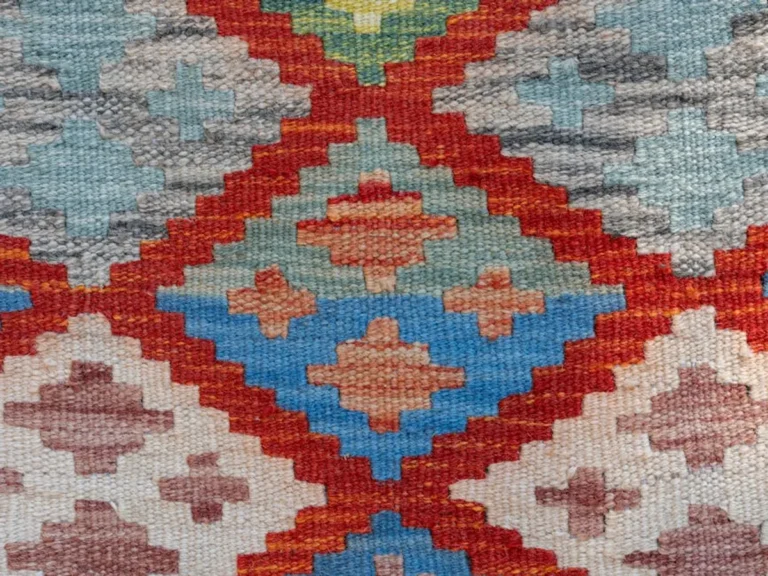
Navajo rugs are characterized by a tight, plain weave, typically weft-faced, meaning the weft (horizontal) threads completely cover the warp (vertical) threads. This creates a dense, durable textile.
- Selvage Cords: A critical indicator of authenticity is the continuous selvage cord. This is a strong, hand-spun cord that runs along the long edges of the rug, reinforcing them. It's typically woven over by the weft threads and often appears in a contrasting color. The presence of a continuous selvage cord demonstrates traditional hand-weaving.
- Corner Finish: Authentic Navajo rugs often feature distinctive corner finishes, such as a braided or squared-off appearance, which are results of the weaving technique and not simply sewn hems.
- Weave Density: Higher quality rugs typically have a greater number of weft threads per inch, resulting in a denser, more durable, and often more finely detailed textile. While not always visible to the untrained eye, a dense weave feels substantial and firm.
Patterns and Regional Styles
Navajo rug patterns are diverse, ranging from geometric abstractions to pictorial representations. Many designs are associated with specific geographic regions or trading posts, each developing its own distinctive aesthetic.
Examples of Regional Styles:
- Ganado: Known for bold, often red-dominated geometric patterns.
- Two Grey Hills: Characterized by intricate, natural-colored designs using undyed black, white, brown, and grey wool.
- Teec Nos Pos: Features complex, elaborate patterns with fine lines and a wide array of colors, often influenced by Persian rugs.
- Storm Pattern: A distinctive design with a central square representing a hogan, connected by zigzag lines to four smaller squares in the corners, symbolizing the four sacred mountains.
Understanding these styles helps in appreciating the rug's origin and artistic intent, though weavers often incorporate elements from various traditions.
Pro Tip: Be wary of rugs described as "Navajo-style" or "Southwestern-style" without explicit claims of being hand-woven by a Navajo artisan. These terms often denote mass-produced imitations that lack the cultural and artistic value of authentic pieces.
Identifying Quality and Craftsmanship
Beyond authenticity, the overall quality of a Navajo rug significantly impacts its value and longevity. Evaluate these aspects:
- Evenness of Weave: A high-quality rug will exhibit a consistent, even tension throughout the weave, resulting in a flat, uniform surface. Irregularities or loose areas can indicate less experienced craftsmanship or damage.
- Color Consistency: If natural dyes are used, expect subtle variations, which are part of their charm. For aniline-dyed rugs, colors should be vibrant and evenly distributed, without noticeable bleeding or fading, unless intentionally aged.
- Condition: Inspect for any signs of wear, such as holes, tears, moth damage, or significant fading. Minor, professional repairs are acceptable for older pieces, but extensive damage will reduce value. Examine the fringe (if present) for wear, as it's often the first part to show age.
Caring for Your Navajo Rug
Proper care is essential to preserve the beauty and value of your Navajo rug for generations.
- Display: Avoid direct sunlight, which can cause fading. Rotate the rug periodically to ensure even wear. If hanging, use a method that distributes weight evenly, such as a sleeve sewn to the back, to prevent stress on the fibers.
- Cleaning: Regular, gentle vacuuming (without a beater bar) on both sides helps remove dust and dirt. For deeper cleaning, consult a professional rug cleaner specializing in hand-woven textiles. Avoid harsh chemicals or machine washing.
- Pest Control: Moths and other insects can cause significant damage. Regularly inspect your rug, especially if stored, and consider using cedar or lavender sachets as natural deterrents.
Making Your Purchase
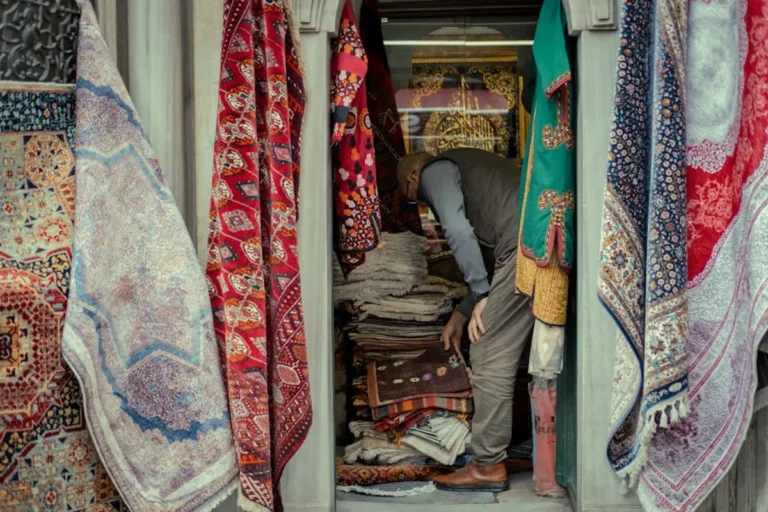
Acquiring an authentic Navajo rug requires due diligence. Seek out reputable dealers who specialize in Native American art and textiles. These dealers often provide certificates of authenticity, artist information, and provenance (the history of ownership). Ask about the rug's age, the weaver, the materials used, and any known repairs. A transparent dealer will be able to answer these questions thoroughly.
Ensuring Your Investment
An authentic, high-quality Navajo rug is not just a decorative item; it is a cultural artifact and a tangible asset. Its value can appreciate over time, especially for pieces by renowned weavers, those with unique designs, or historically significant examples. By focusing on authenticity, craftsmanship, and proper care, you ensure that your acquisition is a meaningful and lasting addition to your collection.
Frequently Asked Questions
How can I tell if a Navajo rug is truly hand-woven?
Look for a continuous selvage cord along the long edges, which is a hallmark of hand-weaving. Also, inspect the weave for slight irregularities; machine-made rugs tend to have perfectly uniform stitches.
What is the typical lifespan of a Navajo rug?
With proper care, a well-made Navajo rug can last for many decades, often over 100 years. Their dense, tight weave makes them exceptionally durable.
Are older Navajo rugs always more valuable?
Not necessarily. While age can contribute to value, condition, rarity, the weaver's reputation, and the artistic merit of the design are often more significant factors. A well-preserved contemporary rug by a master weaver can be more valuable than a damaged older piece.
Should I display my Navajo rug on the floor or as a wall hanging?
Both are acceptable. If used on the floor, ensure it's in a low-traffic area and rotate it regularly. For wall display, use a method that supports the rug's weight evenly across its top edge to prevent stretching or damage.