
Yei Navajo rugs represent a unique intersection of cultural narrative and tangible asset. These woven textiles, depicting sacred Navajo spiritual figures, are not merely decorative items; they embody centuries of tradition, belief, and artistic mastery. For collectors and investors, understanding both the profound meaning embedded in each design and the specific attributes that drive market value is essential for informed acquisition and long-term appreciation. The commercial viability of these pieces stems directly from their cultural authenticity and the meticulous craftsmanship involved in their creation.
Understanding the Yei Figure: Sacred Depictions in Weaving
The term "Yei" refers to holy people or deities within Navajo spiritual beliefs, particularly associated with healing ceremonies and chants. Yei rugs are distinguished by their depiction of these anthropomorphic figures, often in rows, holding ceremonial rattles or evergreen branches. These designs are not arbitrary; they are visual representations of sacred narratives and prayers intended to bring balance, health, and prosperity. The weaver acts as a conduit, translating complex spiritual concepts into a tangible form, making each rug a piece of living cultural heritage.
Iconography and Spiritual Context
The Yei figures themselves are highly stylized, typically depicted with elongated bodies, distinct heads, and often adorned with masks or headdresses. Their arms and legs are frequently shown in a dynamic, dancing posture. While specific details can vary by weaver and regional style, the core elements—such as the presence of a cornstalk or a rainbow guardian arching over the figures—maintain their symbolic weight. These elements reinforce the rug's connection to agricultural fertility, protection, and the natural world, directly influencing the rug's authenticity and, consequently, its desirability among serious collectors.
Traditional Design Elements
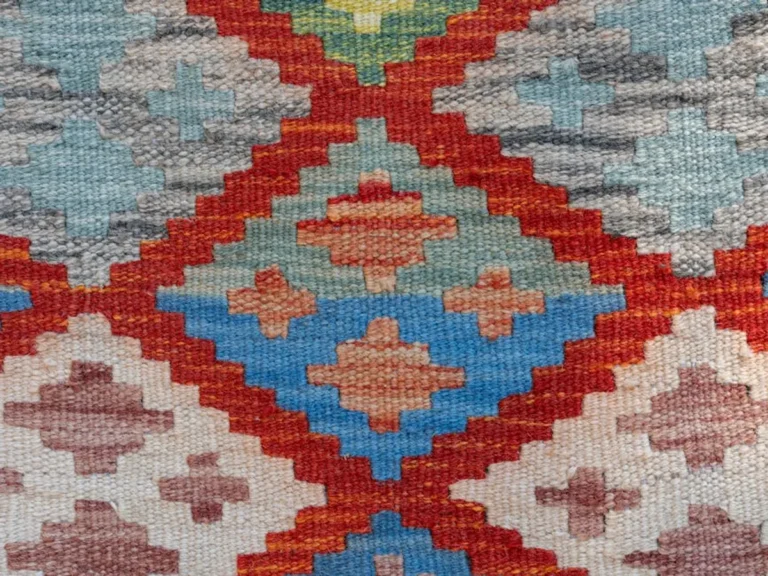
Beyond the Yei figures, these rugs often incorporate other traditional Navajo design elements that contribute to their overall meaning and aesthetic. Geometric patterns, often in contrasting colors, might frame the central figures or form borders. The color palette itself is significant, traditionally derived from natural dyes, with specific hues holding symbolic value—for instance, white for purity, blue for sky or water, and yellow for corn. The integrity of these traditional elements, from color choice to border execution, directly impacts the rug's perceived cultural value and its market standing as a genuine artifact rather than a purely decorative imitation.
Assessing Collector Value: Key Determinants
The collector value of a Yei Navajo rug is a multifaceted assessment, extending beyond mere aesthetics. It involves evaluating craftsmanship, historical context, and the rug's overall condition. Each factor contributes to its scarcity, authenticity, and long-term investment potential.
Weaving Quality and Craftsmanship
The technical skill of the weaver is paramount. High-value Yei rugs exhibit an exceptionally tight, even weave with consistent tension across the entire piece. This results in a firm, durable textile that lays flat without buckling or distortion. The clarity of the Yei figures and other design elements, achieved through precise warp and weft manipulation, is also a critical indicator. Sharp, well-defined lines and intricate details, particularly in the faces and ceremonial objects, signal superior craftsmanship. Rugs with a higher weft count per inch (often referred to as thread count) generally indicate finer detail and greater durability, commanding higher prices.
Material Integrity and Dye Sourcing
Authentic Yei rugs, particularly older examples, utilized hand-spun wool from Navajo-Churro sheep, known for its strength and luster. The use of natural dyes derived from plants, minerals, and insects (such as cochineal for reds) is another significant value driver. Natural dyes produce rich, subtle, and often more stable colors that age gracefully. While aniline dyes were introduced in the late 19th century, rugs featuring a predominantly natural dye palette often hold greater historical and collector appeal due to their adherence to traditional practices and the unique character of their coloration. Fading should be minimal and even, indicating stable dyes and proper care.
Provenance and Rarity
A rug's provenance—its documented history of ownership—can significantly enhance its collector value. Knowledge of the weaver, the date of creation, and previous owners provides crucial context and authenticity. Rugs attributed to renowned weavers or those with a documented exhibition history often fetch premium prices. Rarity also plays a role; unique designs, unusually large sizes, or pieces from specific historical periods (e.g., early 20th century) are inherently more valuable due to their limited availability.
Condition and Preservation
The physical condition of a Yei rug is a primary factor in its market value. Collectors seek pieces with minimal wear, no significant holes, tears, or extensive moth damage. Original selvedges (the finished edges) and corner cords should be intact. While minor, professional repairs are acceptable if expertly executed and disclosed, extensive or poorly done repairs can significantly diminish value. Furthermore, even, consistent fading is preferable to uneven discoloration or sun damage, which suggests improper display or storage.
Market Dynamics and Investment Considerations
Investing in Yei Navajo rugs requires a keen understanding of both cultural significance and market trends. The value of these textiles is not solely based on material worth but also on their narrative depth and artistic integrity. For those considering acquisition, due diligence is paramount.
Pro Tip: Always seek independent authentication from recognized Navajo textile experts or reputable galleries when considering a high-value Yei rug. Documented provenance significantly enhances collector value and mitigates risk, ensuring the piece aligns with its represented cultural and historical context.
When evaluating a potential acquisition, consider these specific attributes:
- Tight, even weave with consistent tension and a firm hand.
- Saturated, natural dye colors without bleeding or significant uneven fading.
- Clear, well-defined Yei figures adhering to traditional forms and proportions.
- Intact selvedges and corner cords, indicating original condition.
- Absence of significant moth damage, holes, or extensive, visible repairs.
- Documented history or attribution to a known weaver, if available.
Preserving Your Investment
Proper care and preservation are crucial for maintaining the value of a Yei Navajo rug. Displaying rugs away from direct sunlight prevents fading and UV damage. Regular, gentle vacuuming (without a beater bar) helps remove dust and dirt. Professional cleaning by conservators specializing in antique textiles is recommended every few years, avoiding harsh chemicals or machine washing. For storage, rugs should be rolled, not folded, in acid-free materials and kept in a climate-controlled environment to prevent insect damage, mildew, and fiber degradation. These practices ensure the rug's longevity and protect its intrinsic and market value.
Navigating the Yei Navajo Rug Market
Approaching the Yei Navajo rug market requires a combination of aesthetic appreciation, historical knowledge, and practical due diligence. Engage with reputable dealers, attend specialized auctions, and consult with experts to deepen your understanding. Focus on pieces that exhibit superior craftsmanship, authentic design, and documented history. These are the attributes that consistently drive collector interest and long-term value, positioning Yei Navajo rugs as both profound cultural artifacts and resilient assets.
Frequently Asked Questions
What makes Yei Navajo rugs different from other Navajo weavings?
Yei Navajo rugs are distinct because they prominently feature anthropomorphic figures representing the Yei, or holy people, from Navajo spiritual beliefs. Unlike geometric or pictorial rugs depicting landscapes or daily life, Yei rugs are direct visual prayers, often woven for protection or healing, which sets them apart culturally and artistically.
Are all Yei rugs considered valuable?
No, collector value varies significantly. Factors such as the weaver's skill, age of the rug, use of natural dyes, condition, size, and provenance all contribute to value. While all Yei rugs hold cultural significance, those exhibiting superior craftsmanship, historical authenticity, and excellent preservation command higher market prices.
How can I tell if a Yei rug uses natural dyes?
Natural dyes often have a softer, more organic color saturation and tend to age with a subtle patina. Aniline (synthetic) dyes, introduced later, can appear brighter or more uniform. Expert textile conservators or experienced dealers can often identify natural dyes through visual inspection or, if necessary, through chemical analysis, though the latter is rarely needed for initial assessment.
Where is the best place to buy authentic Yei Navajo rugs?
Reputable sources include established galleries specializing in Native American art, accredited auction houses with textile departments, and direct purchases from certified Navajo weavers or their authorized representatives. Always verify the seller's reputation and expertise, especially when considering higher-value pieces.