Identifying a Navajo rug by its patterns involves more than just appreciating its aesthetic. For collectors, dealers, and enthusiasts, understanding these intricate designs is fundamental to discerning authenticity, estimating value, and appreciating the cultural narratives woven into each piece. The patterns serve as a visual language, revealing clues about the rug's origin, age, and the weaver's individual style or tribal affiliation. Mastering this visual vocabulary allows for informed acquisition and a deeper connection to this significant Native American art form.
Understanding the Fundamentals of Navajo Rug Weaving
Navajo rugs are traditionally hand-woven on upright looms using hand-spun wool, creating a dense, durable textile. The patterns are not merely decorative; they are deeply rooted in Navajo cosmology, daily life, and the natural environment. Early rugs often featured simpler banded designs, evolving into complex geometrics, pictorial representations, and regional styles influenced by trading posts and external markets. The weaver's skill, the quality of the wool, and the dyes used all contribute to the final pattern's clarity and overall impact.
Key Elements of Navajo Rug Patterns
Geometric Motifs
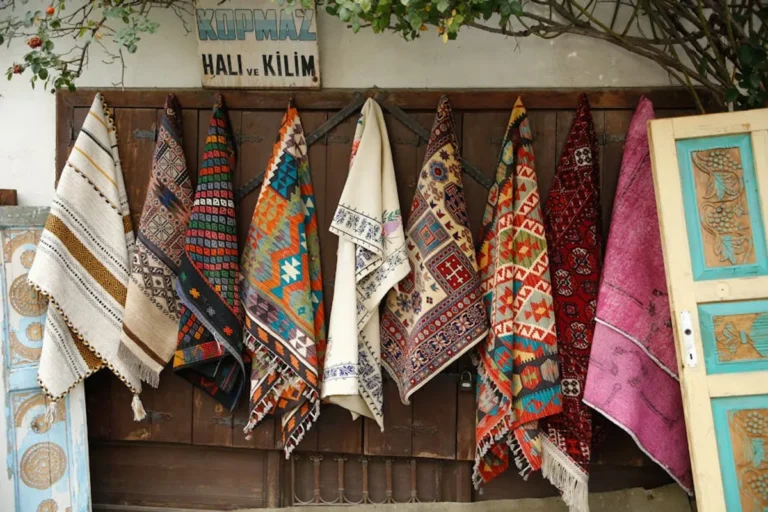
Navajo patterns are predominantly geometric, employing a lexicon of shapes that are rearranged and combined to form larger designs. Common motifs include diamonds, triangles, zigzags, and stepped patterns, which can represent natural elements like mountains, clouds, lightning, or stars. These motifs are often arranged in symmetrical compositions, either as central medallions, all-over repeating designs, or distinct bands. The precision and consistency of these geometric elements are key indicators of a weaver's skill.
Color Palettes and Dye Influence
The colors in a Navajo rug offer significant clues. Historically, natural dyes derived from plants, minerals, and insects (like cochineal for red) produced a more subdued, earthy palette. The introduction of aniline dyes in the late 19th century brought brighter, more vibrant colors, particularly noticeable in the "Germantown" era rugs (c. 1870-1900), which used commercially spun and dyed yarns. The transition from natural to synthetic dyes, and later, the revival of natural dyes, helps date a rug and often points to specific regional styles that favored certain color schemes.
Borders and Edge Treatments
Borders are an integral part of many Navajo rug designs, framing the central pattern. They can be simple solid bands, serrated lines, or complex geometric arrangements mirroring the interior. A distinctive feature sometimes found is the "spirit line" or chiholtin, a thin, unbroken line running from the central design to the edge of the rug. This line is believed to allow the weaver's spirit to escape the rug and prevent creative blockage, or to connect the weaver to the piece. Its presence or absence, and its execution, can be a subtle identifier.
Weave Tightness and Texture
The fineness of the weave, indicated by the number of warp and weft threads per inch, directly impacts the pattern's detail and the rug's durability. A tighter weave allows for more intricate designs and sharper lines. While most Navajo rugs are plain weave, some regional styles or specific periods incorporated twill weaves, which create a diagonal texture and can influence how patterns appear. Examining the weave tightness and texture provides insight into the rug's quality and potential regional origin.
Regional Styles and Their Distinctive Patterns
Ganado
Ganado rugs, originating from the Ganado Trading Post in Arizona, are characterized by their bold, striking designs. They typically feature strong central patterns, often diamonds or crosses, set against a deep red background achieved with aniline dyes. Black, white, and gray are common accent colors. Ganado rugs usually have well-defined borders and a robust, tight weave.
Pro Tip: When evaluating a Ganado rug, pay close attention to the vibrancy and consistency of the red dye. True Ganados often possess a distinct, rich red that was a hallmark of the region's dye preferences, differentiating them from later imitations with less saturated colors.
Two Grey Hills
From the Two Grey Hills region of New Mexico, these rugs are renowned for their exceptional fineness and use of only natural, undyed wool colors: shades of brown, gray, white, and black. The patterns are incredibly intricate, often featuring a finely executed central medallion surrounded by complex geometric motifs. The high thread count and meticulous detail make Two Grey Hills rugs among the most prized.
Teec Nos Pos
Teec Nos Pos rugs, from the Four Corners area, are recognized for their elaborate and complex designs, often showing influences from Oriental rug patterns. They incorporate a wide array of colors, frequently bright and varied, with hooked, serrated, and sometimes pictorial elements. Borders are typically wide and highly detailed, framing a busy central field.
Crystal and Wide Ruins
Early Crystal rugs (associated with J.B. Moore's trading post) often featured banded designs with elements like "water bugs" or "wave" patterns, using natural or early vegetal dyes. Later Crystal and Wide Ruins rugs, particularly from the 1930s onwards, are known for their more subdued, earthy color palettes derived from vegetal dyes. They typically exhibit banded designs with subtle geometric motifs and a less rigid structure than some other styles.
Chinle
The Chinle style emerged from a revival movement in the mid-20th century, emphasizing natural dyes and simpler, older banded patterns. These rugs often feature elegant, understated designs with stripes, basic geometric shapes, and a limited color palette that highlights the natural beauty of the wool and vegetal dyes.
Yei and Yeibichai
Yei rugs depict the stylized figures of Navajo deities (Yei figures), often in rows or surrounding a central figure. Yeibichai rugs illustrate masked dancers from the Nightway ceremony. These pictorial rugs are highly specific in their subject matter and are often characterized by a white or light-colored background that allows the figures to stand out. Due to their sacred nature, their creation and display carry specific cultural considerations.
Beyond Patterns: Other Identification Clues
Material and Construction
Examine the yarn: is it hand-spun with subtle irregularities, or commercially spun and uniform? Early rugs used hand-spun wool for both warp and weft, while some later rugs, especially those from the early 20th century, might use commercial cotton warp. The selvage (side edge) cords are typically two-ply and match the color of the adjacent design, providing a finished edge.
Condition and Wear
An authentic older rug will often show signs of age-appropriate wear, such as even pile wear, slight fading, or minor repairs. Uneven wear or significant damage can impact value, but a consistent patina across the rug suggests genuine age rather than artificial distressing.
Weaver Signatures and Labels
While rare in older pieces, some contemporary Navajo weavers sign their work, either by weaving their initials into the rug or attaching a label. The presence of a signature or a trading post tag can significantly aid in identification and attribution, especially for modern pieces.
Developing Your Eye for Navajo Rugs
Becoming proficient in Navajo rug identification requires consistent exposure and study. Visit reputable galleries, museums, and trading posts to handle and observe a wide range of rugs. Compare different regional styles side-by-side, noting the subtle differences in weave, color, and pattern execution. Read specialized books and consult with experienced dealers or collectors. Over time, your eye will develop the sensitivity needed to distinguish nuances that mark a rug's origin and quality.
Frequently Asked Questions
What is a "spirit line" in a Navajo rug?
A spirit line, or chiholtin, is a thin, unbroken line woven from the central design to the edge of a Navajo rug, believed to allow the weaver's spirit to escape the rug and prevent creative blockage.
How can I tell if a rug is genuinely old?
Indicators of age include hand-spun wool, natural dyes with subtle variations, even wear and patina, and regional patterns consistent with historical periods. Commercial cotton warp or bright aniline dyes can suggest a later period, typically post-1870.
Do all Navajo rugs have borders?
No, not all Navajo rugs have borders. Many early banded designs and some contemporary styles intentionally omit borders, allowing the pattern to extend to the edge of the textile.
What's the difference between a Yei and a Yeibichai rug?
Yei rugs depict stylized figures of Navajo deities (Yei figures), while Yeibichai rugs specifically illustrate masked dancers from the Nightway ceremony, often shown in motion or in ceremonial context.