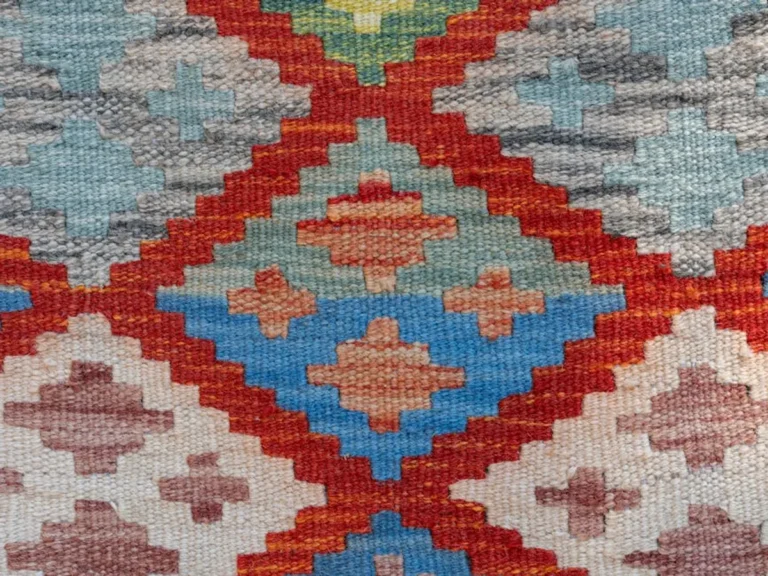

Understanding the intricate relationship between color, meaning, and design in Navajo rugs is fundamental for anyone looking to appreciate, collect, or even integrate these textiles into a space. The color choices in a Navajo rug are rarely arbitrary; they are deeply rooted in cultural tradition, available resources, and the weaver's personal expression. Deciphering these elements allows for a more informed assessment of a rug's authenticity, historical context, and artistic value, moving beyond mere aesthetic appeal to a deeper engagement with its narrative.
The Evolution of Navajo Weaving Palettes
Navajo weaving began with undyed wool, relying on the natural hues of sheep—whites, grays, browns, and blacks. The introduction of indigo dyes through Spanish trade in the 17th century, followed by cochineal, significantly expanded the color spectrum available to weavers. This evolution continued with the arrival of commercial dyes and pre-dyed yarns in the late 19th and early 20th centuries, which offered vibrant new possibilities while challenging traditional methods. Each period reflects a distinct approach to color, influencing both the visual impact and the underlying symbolism of the finished rug.
Traditional Dyes and Their Origins
Historically, Navajo weavers sourced their dyes directly from the natural environment, a labor-intensive process that yielded a distinctive, earthy palette. The colors produced were often softer and more varied than those achieved with modern synthetic dyes.
- Indigo Blues: Imported via trade routes, indigo produced a range of blues, from pale sky to deep navy. Blue often symbolizes the sky, water, peace, and distant mountains. Its integration marked a significant expansion of the Navajo color vocabulary.
- Cochineal Reds: This vibrant crimson dye, derived from insects found on prickly pear cacti, was also a trade commodity. Reds are powerful, often representing earth, life, ceremony, and the sacred. The intensity of cochineal red made it a highly prized and visually dominant color in many early weavings.
- Native Plant Yellows and Greens: Yellows were extracted from plants like rabbitbrush, sagebrush, and sumac, symbolizing sunlight, corn, and prosperity. Greens, often achieved by over-dyeing indigo with yellow plant dyes, represented nature, growth, and harmony.
- Earthy Browns and Blacks: These colors were often the natural shades of sheep's wool, or achieved with natural dyes from plants like black walnut hulls or mineral pigments. Browns and blacks can symbolize the earth, night, protection, and the mystery of the unknown.
The Influence of Aniline Dyes
The late 19th century brought commercial aniline dyes, offering weavers a broader, more consistent, and often more brilliant range of colors. While these dyes simplified the dyeing process and introduced new hues like bright purples, oranges, and vivid greens, they also marked a shift from the laborious, localized tradition of natural dyeing. This period saw a proliferation of "Germantown" rugs, known for their bright, multi-colored designs, showcasing the new possibilities offered by these synthetic dyes.
Symbolic Meanings of Key Colors in Navajo Weaving
Beyond their aesthetic appeal, colors in Navajo rugs carry deep symbolic significance, often reflecting the weaver's worldview, spiritual beliefs, and connection to the natural world. These meanings are not always rigid but offer a framework for interpretation.
Red: Represents life, the earth, sacred ceremonies, and often the blood of life. It is a powerful, active color.
Blue: Symbolizes the sky, water, peace, and distant mountains. It can also represent the north direction.
Yellow: Associated with the sun, corn (a staple food), prosperity, and the east direction. It signifies warmth and light.
White: Denotes purity, creation, spirit, and the sacred mountains. It is often used to provide contrast and define patterns.
Black: Represents night, mystery, protection, and occasionally the west direction. It can also signify clouds or storms.
Green: Symbolizes nature, growth, harmony, and new beginnings. Often seen in rugs depicting landscapes or natural elements.
Pro Tip: When evaluating older Navajo rugs, observe the color saturation and consistency. Natural dyes often exhibit subtle variations in hue within a single color field, a characteristic known as "abrash." This slight unevenness is a hallmark of hand-dyed wool and can indicate an older, naturally dyed piece, contributing to its authenticity and value. Uniform, flat colors, especially in vibrant, unusual shades, often suggest the use of commercial dyes.
Color and Design Integration in Regional Styles
Different Navajo weaving regions developed distinct styles, often characterized by specific color palettes and design motifs. Understanding these regional distinctions helps to identify and appreciate the nuances of each rug.
Ganado Red Dominance: Rugs from the Ganado region, popularized by trader J.L. Hubbell, are famous for their deep, rich red backgrounds, often contrasted with black, white, and gray geometric patterns. The strong red is a defining characteristic, making these rugs immediately recognizable.
Two Grey Hills Subtlety: Weavers from the Two Grey Hills area are renowned for their intricate, finely woven rugs that exclusively use the natural colors of sheep's wool—un-dyed blacks, whites, grays, and browns. The beauty of these rugs lies in the subtle interplay of natural tones and complex geometric patterns, with no artificial dyes used.
Crystal and Wide Ruins Patterns: Early Crystal rugs often featured striped patterns with natural dyes. Later, the style evolved to incorporate more complex geometric designs with a broader palette, including vegetal dyes. Wide Ruins rugs are known for their banded, horizontal patterns, often with softer, earthier tones derived from vegetal dyes, creating a serene and balanced aesthetic.
Teec Nos Pos Complexity: Rugs from Teec Nos Pos are characterized by their elaborate, often Persian-influenced designs and a vibrant, extensive color palette. These rugs frequently feature multiple borders and intricate central motifs, utilizing a wide range of commercially dyed yarns to achieve their detailed appearance.
Practical Considerations for Collectors and Enthusiasts
When selecting a Navajo rug, consider how its colors and design will integrate into your space. A rug with a dominant red, for instance, will create a different focal point than one with subtle natural grays. Researching the regional style and its typical color usage can inform your decision. For collectors, understanding dye types (natural vs. aniline) is crucial for assessing historical accuracy and potential value. Natural dyes often age differently, developing a beautiful patina over time, while some early aniline dyes may fade or bleed if not properly cared for. Always inquire about the rug's provenance and the types of dyes used, as this information contributes significantly to its story and authenticity.
Frequently Asked Questions
What is the most common color in Navajo rugs?
Historically, natural wool colors (white, black, brown, gray) were most common, but red, particularly cochineal and later aniline reds, became a dominant and highly recognizable color in many regional styles like Ganado.
Do all colors in Navajo rugs have specific meanings?
While many colors carry symbolic meanings rooted in Navajo culture and spirituality, weavers also choose colors for aesthetic balance and personal expression. The interpretation can vary based on the weaver and the specific design.
How can I tell if a Navajo rug uses natural or synthetic dyes?
Natural dyes often show subtle variations in hue within a single color field (abrash) and tend to have a softer, more muted appearance. Synthetic (aniline) dyes typically produce more uniform, brighter, and sometimes harsher colors, especially in earlier commercial dye applications.
Are rugs with natural dyes more valuable?
Generally, older rugs made with traditional natural dyes are highly sought after by collectors due to their historical significance, labor-intensive production, and unique aesthetic qualities. However, the value also depends on the rug's age, condition, weave quality, and the weaver's reputation.