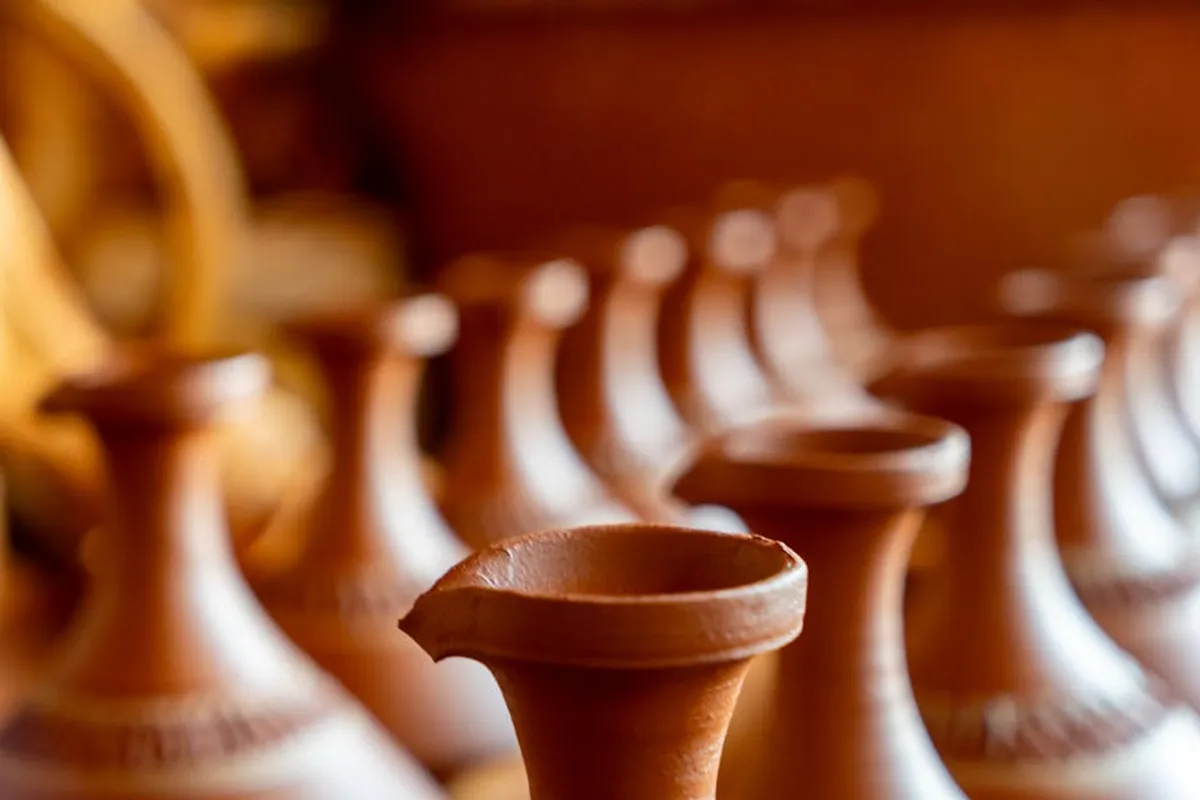
Jemez Pueblo pottery represents a distinct intersection of cultural narrative, material artistry, and market value within Native American art. Understanding its nuances is critical for collectors, enthusiasts, and those looking to appreciate the depth of its tradition. Unlike purely decorative pieces, much of Jemez pottery, particularly the iconic Storyteller figures, embodies a direct lineage to ancestral practices and communal memory. This makes informed acquisition or appreciation dependent on recognizing the specific characteristics that define its authenticity, craftsmanship, and ultimately, its commercial standing.
The Enduring Legacy of Jemez Storytellers
The Storyteller figure, or kosha’re in the Keres language, originated from the Jemez Pueblo and was popularized by artist Helen Cordero of Cochiti Pueblo in the mid-20th century. However, Jemez artists quickly adopted and evolved the form, making it a cornerstone of their ceramic tradition. These figures, typically depicting an elder surrounded by children, narrate stories, songs, or lessons, embodying the oral traditions central to Pueblo culture. The children clinging to the main figure symbolize the transmission of knowledge across generations.
Jemez Storytellers are distinguished by several stylistic elements. While Cordero’s figures often presented a serene, almost stoic main figure, Jemez artists frequently introduced more dynamic poses, expressive faces, and intricate detailing on clothing or accessories. Artists like Fannie Loretto, Laura Gachupin, and the Fragua family are recognized for their contributions to the Storyteller tradition, each bringing individual stylistic interpretations while adhering to the core narrative purpose. The number of children, their expressions, and the specific items they hold can all contribute to the uniqueness and narrative depth of a piece.
Jemez Clay and Craftsmanship: Material and Technique
The material foundation of Jemez pottery is its locally sourced clay. Traditional Jemez potters gather clay directly from the pueblo lands, which is then cleaned, processed, and tempered with volcanic ash or sand to prevent cracking during firing. This meticulous preparation is foundational to the pottery's structural integrity and aesthetic. Pigments are also derived from natural minerals and plants found in the region, including iron-rich clays for reds and oranges, and beeplant (Cleome serrulata) for black designs.
The construction method is almost exclusively coil-and-scrape. Clay is rolled into long ropes, coiled upwards to form the vessel or figure, then smoothed and thinned with tools like gourds or metal ribs. This labor-intensive process results in remarkably thin-walled pieces, a hallmark of skilled Jemez pottery. Firing traditionally occurs outdoors in an open pit or rudimentary kiln, using juniper wood or cow dung as fuel. This uncontrolled environment introduces variations in color and surface finish, often resulting in beautiful fire clouds—darkened areas where the flame or smoke touched the pottery directly. These marks are not defects but rather authentic indicators of traditional firing methods.
Contemporary Jemez potters may use electric kilns for more controlled firing, particularly for non-traditional forms or glazes. However, collectors often value pieces fired in the traditional manner for their connection to ancestral techniques and unique visual characteristics.
Assessing Value in Jemez Pottery
The commercial value of Jemez pottery is determined by a confluence of factors beyond mere aesthetics. Understanding these elements is essential for accurate appraisal and informed acquisition.
- Artist Reputation and Provenance: Works by acclaimed, award-winning artists or those from historically significant pottery families command higher prices. Documented provenance, such as exhibition history or previous ownership, adds significant value.
- Age and Condition: Older, well-preserved pieces from the mid-20th century or earlier, particularly those by foundational artists, are often more desirable. Flaws like chips, cracks, or significant abrasions reduce value, though minor firing imperfections are often accepted as part of the traditional process.
- Complexity and Size: Larger, more intricately detailed Storytellers with numerous figures or complex designs typically fetch higher prices due to the increased time and skill required for their creation.
- Traditional Materials and Firing: Pieces made with natural clays and pigments, and fired traditionally, often hold greater appeal for serious collectors seeking authenticity and a connection to cultural heritage.
- Uniqueness and Innovation: While traditional forms are valued, artists who introduce innovative designs, themes, or techniques while maintaining cultural integrity can also create highly collectible pieces.
Pro Tip: Authenticity Markers
Always look for the artist's signature, typically etched or painted on the base. While not all older pieces are signed, most contemporary works are. Researching the artist's signature against known examples is a crucial step in verifying authenticity. Additionally, inquire about the piece's provenance, especially for higher-value acquisitions.
Caring for Your Jemez Pottery Collection
Preserving the integrity and value of Jemez pottery requires careful handling and display. These pieces are often unglazed and porous, making them susceptible to damage.
- Handle with Care: Always hold pottery by its sturdiest parts, avoiding delicate appendages like arms or small figures.
- Display Stability: Place pieces on stable, level surfaces away from edges where they could be easily knocked over. Consider museum wax or earthquake putty for added security in earthquake-prone areas.
- Avoid Moisture: Do not use Jemez pottery for holding liquids unless specifically designed and glazed for that purpose. Water can stain unglazed surfaces and weaken the clay over time.
- Dusting: Use a soft, dry brush (like a makeup brush) or a can of compressed air for dusting. Avoid abrasive cloths or cleaning agents.
- Sunlight and Temperature: Protect pottery from direct, prolonged sunlight, which can fade natural pigments. Avoid extreme temperature fluctuations, which can cause stress to the clay.
Understanding Your Acquisition
Acquiring Jemez pottery extends beyond a simple purchase; it is an investment in cultural heritage and artistic expression. Whether you are drawn to the narrative power of a Storyteller, the tactile quality of traditional clay, or the potential for appreciating value, an informed approach ensures a more meaningful and secure acquisition. Due diligence regarding the artist, materials, and condition safeguards your investment and enhances your appreciation for this distinct art form.
Frequently Asked Questions About Jemez Pottery
What distinguishes Jemez Storytellers from those of other Pueblos?
While the Storyteller figure originated at Cochiti Pueblo, Jemez artists often incorporate more dynamic poses, expressive facial features, and intricate details on clothing. Their figures frequently reflect a distinct artistic interpretation while maintaining the core narrative theme.
Are all Jemez pottery pieces traditionally fired?
No. While many traditional pieces are open-pit fired, some contemporary Jemez potters use electric kilns for greater control over the firing process, particularly for newer forms or glazes. Traditional firing often results in unique "fire clouds" that are absent in kiln-fired pieces.
How can I identify a genuine Jemez pottery piece?
Look for the artist's signature or family mark, typically on the base. Research the artist's style and known works. Authentic pieces often exhibit characteristics of hand-coiled construction, natural pigments, and traditional firing marks, though modern pieces may vary. Provenance, if available, is also a strong indicator.
Can Jemez pottery be repaired if damaged?
Minor chips or cracks can sometimes be professionally repaired by a conservator specializing in Native American pottery. However, repairs can significantly impact the commercial value, so it is crucial to weigh the cost of repair against the piece's original value and your personal attachment.