
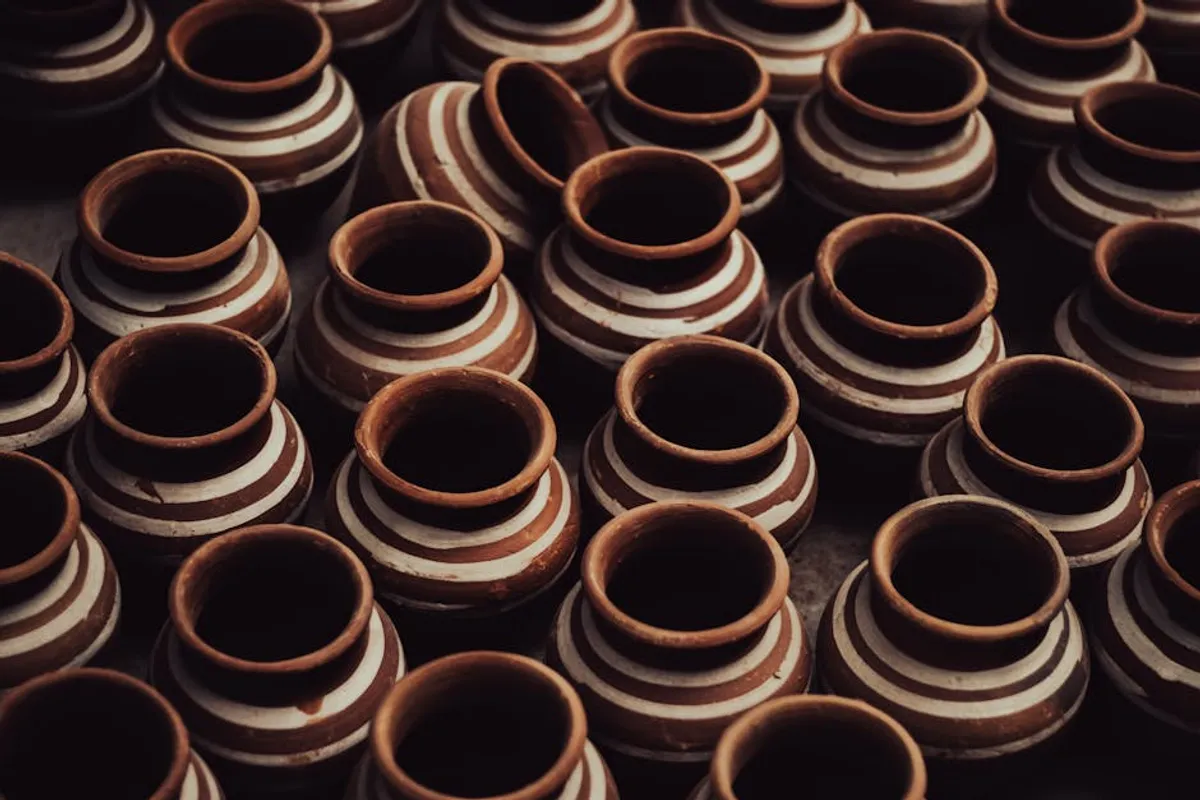
Collecting Hopi pottery offers a direct connection to a vibrant cultural heritage, but navigating its nuances requires informed discernment. For serious collectors, understanding the intricate symbolism embedded in each piece is not merely an academic exercise; it is fundamental to authenticating works, appreciating their artistic depth, and accurately assessing their market value. This guide provides a framework for identifying key symbols, recognizing genuine artistry, and making informed acquisition decisions.
Understanding Hopi Pottery Symbolism
Hopi pottery is a canvas for deeply rooted cultural narratives, with symbols serving as a visual language. These motifs are not random decorations but carry specific meanings tied to the natural world, spiritual beliefs, and clan histories. For collectors, recognizing these patterns offers insight into the artist's message and the piece's cultural context.
Common Motifs and Their Meanings
- Water and Rain Clouds: Essential for life in the arid Southwest, these symbols often appear as stepped designs, spirals, or parallel lines. They represent fertility, sustenance, and the blessing of rain.
- Kachina Figures: Stylized depictions of spirit beings, Kachinas are central to Hopi cosmology. Their presence on pottery signifies their role as messengers between humans and the spirit world, often associated with prayers for rain, good harvest, and community well-being.
- Animal Forms: Birds, bears, and other creatures are frequently depicted, each carrying specific attributes. Birds, particularly eagles, often symbolize freedom, strength, and connection to the sky world. Bear paws can represent power, healing, or protection.
- Geometric Patterns: Intricate geometric designs are common, often representing clan symbols, migration paths, or cosmic elements. These can include interlocking spirals, meanders, and crosshatching, which may signify the journey of life, interconnectedness, or specific sacred sites.
- Corn: As a primary food source, corn is a sacred symbol of life, sustenance, and prosperity. It often appears as kernels, stalks, or stylized ears, reinforcing themes of fertility and survival.
Regional and Clan Variations
While overarching themes exist, symbolism can vary subtly between Hopi villages (e.g., Sichomovi, Walpi, Shungopavi) and even between different clans within those villages. An eagle feather motif from one clan might have a slightly different stylistic interpretation or specific associated narrative than a similar motif from another. Experienced collectors learn to recognize these stylistic fingerprints, which can help attribute a piece to a particular lineage or artistic school within the broader Hopi tradition. This contextual understanding adds layers of meaning and can influence a piece's desirability and historical significance.
Pro Tip: When encountering a complex or unusual symbol, consult reputable ethnographic resources or specialized Hopi art guides. Avoid making assumptions; the true meaning is often tied to specific cultural knowledge, not universal interpretation. Documenting the source of your interpretation enhances the piece's provenance.
Identifying Authentic Hopi Pottery
Authenticity is paramount in collecting. Distinguishing genuine Hopi pottery from imitations or misattributed pieces requires a keen eye for material, construction, and artistic execution.
Material and Construction Clues
Hopi pottery is traditionally made from local clays, often fired outdoors. This process imparts specific characteristics:
- Clay Body: Authentic pieces typically use fine, indigenous clay, often with visible temper (e.g., ground potsherds or sand) that strengthens the vessel and prevents cracking during firing. The clay body, when unpolished, often has a distinctive texture and color, ranging from buff to light orange or red.
- Hand-Coiling: Hopi potters build vessels using the coil-and-scrape method, not a potter's wheel. While the finished surface is smoothed, subtle irregularities or faint coil marks may be discernible upon close inspection, particularly on older pieces or in less polished areas.
- Firing Technique: Traditional outdoor firing in an oxidizing atmosphere typically results in lighter-colored clay bodies (buff, cream, orange). The characteristic black areas, particularly on older Sikyatki Revival pieces, result from specific reduction firing techniques where organic material (like sheep dung) is introduced to create localized smoke clouds.
- Paint Application: Designs are painted with mineral or organic pigments. Mineral paints (like iron oxide for reds and blacks) are often matte and can show slight variations in thickness. Organic paints (like beeplant for black) tend to be richer and can sometimes have a subtle sheen. The brushwork is typically precise and deliberate, reflecting skilled craftsmanship.
Signature and Provenance
While many older Hopi pieces are unsigned, contemporary artists often sign their work, usually on the bottom. Signatures can be incised, painted, or a combination. Researching the artist's name and their known body of work is a crucial step in verifying authenticity. Beyond signatures, provenance—the documented history of ownership—is a powerful tool. A piece with a clear history from a reputable dealer, a well-known collection, or direct from the artist holds significantly more weight than one with an unknown background.
Evaluating Condition and Value
Condition directly impacts value, but rarity, artistic merit, and historical significance also play critical roles.
Assessing Physical Integrity
Thoroughly inspect the piece for any damage:
- Cracks and Chips: Even hairline cracks or small chips can significantly reduce value. Assess their location, size, and whether they compromise the structural integrity or design.
- Repairs: Look for evidence of repairs, such as overpainting, glue lines, or areas with a different sheen. Professional restoration can be acceptable, but it should always be disclosed and can still affect value compared to an untouched piece.
- Surface Wear and Paint Loss: Minor surface abrasions or slight paint loss consistent with age and careful handling are often acceptable in older pieces. Extensive wear or significant design loss, however, will diminish value.
Rarity and Artistic Merit
The value of Hopi pottery is not solely based on age. A rare form, a unique design, or a piece by a highly acclaimed artist (e.g., Nampeyo of Hano, Fannie Nampeyo, Dextra Quotskuyva) can command higher prices regardless of age. Evaluate the complexity of the design, the precision of the painting, and the overall aesthetic balance. Pieces that demonstrate exceptional skill, innovation, or represent a significant period in an artist's career are generally more valuable.
Building a Thoughtful Hopi Pottery Collection
Approaching Hopi pottery as a collector means more than just acquiring objects; it involves curating a collection that reflects an appreciation for artistry, cultural heritage, and historical context. Begin by educating yourself on the various styles, artists, and periods. Attend reputable Native American art shows, visit museum collections, and engage with experienced dealers. Focus on acquiring pieces that resonate with you aesthetically and culturally, ensuring they come with verifiable provenance. A well-researched and thoughtfully assembled collection of Hopi pottery becomes a testament to enduring artistic traditions.
Frequently Asked Questions
How do I know if a piece of Hopi pottery is old?
Age assessment relies on a combination of factors, including clay characteristics, firing techniques, paint types (e.g., pre-1900s mineral paints versus later commercial pigments), stylistic elements common to specific periods (e.g., Sikyatki Revival), and artist signatures (if applicable) against known timelines. Provenance documentation is also key.
Are all Hopi pottery pieces signed by the artist?
No, many older Hopi pottery pieces, particularly those created before the mid-20th century, are unsigned. Signing became more common as artists gained individual recognition and the market for Native American art evolved. Contemporary pieces are more likely to be signed.
What is the best way to clean Hopi pottery?
Hopi pottery, especially older pieces, is fragile. For routine cleaning, a soft, dry brush can remove dust. For more ingrained dirt, a slightly damp (not wet) cloth can be used very gently, but avoid water saturation, as it can damage unsealed surfaces or pigments. Never use harsh chemicals, abrasive cleaners, or immerse the pottery in water. Consult a professional conservator for significant cleaning or restoration.
Where can I buy authentic Hopi pottery?
Authentic Hopi pottery can be acquired from reputable Native American art galleries, established auction houses specializing in Indigenous art, directly from Hopi artists at cultural events or their studios, and through trusted online dealers with strong authentication policies. Always inquire about provenance and artist background.