
Chimayo blankets represent a distinct category within Southwestern textiles, highly sought after by collectors for their specific weaving techniques, historical significance, and intricate designs. Unlike mass-produced items, each authentic Chimayo piece reflects generations of localized craftsmanship from the Chimayo Valley in New Mexico. For collectors, understanding the nuances of these textiles is critical for informed acquisition, ensuring both authenticity and long-term value. This guide provides a framework for identifying, evaluating, and preserving these unique hand-loomed artifacts.
The Legacy of Chimayo Weaving
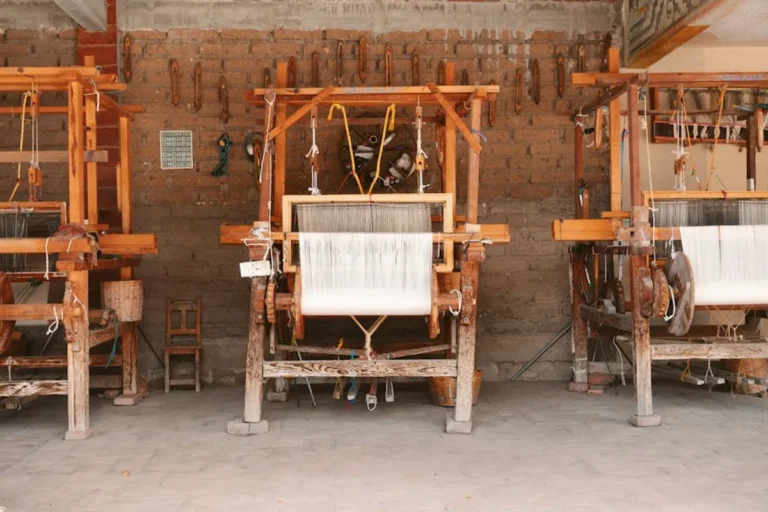
The weaving tradition in Chimayo traces its roots to Spanish colonial settlers who introduced churro sheep and horizontal looms to the region in the 17th and 18th centuries. This blending of Spanish and Pueblo textile practices evolved into a unique regional style. The early 20th century saw the establishment of prominent weaving families, such as the Ortegas and the Trujillos, whose workshops became synonymous with the Chimayo name. Their commitment to traditional methods and materials cemented the blanket’s reputation.
Signature Patterns and Craftsmanship
Chimayo blankets are characterized by their heavy, durable weave and distinctive geometric patterns. The primary material is typically hand-spun or commercially spun wool, often dyed with natural pigments, though synthetic dyes became common later. Weavers employ a two-ply warp and weft system on traditional horizontal looms, creating a dense, robust fabric. Key design elements include:
- Vallero Star: A prominent eight-pointed star motif, often centrally placed or repeated.
- Lightning or Zigzag Patterns: Dynamic, angular lines that traverse the blanket.
- Diamond and Stripe Motifs: Often combined with other geometric shapes, creating complex borders and fields.
- Fajado Stripes: Horizontal bands of color that typically frame the central design.
The precision of the design work and the tightness of the weave are direct indicators of the weaver's skill and the blanket's quality. Variations in pattern complexity and color application directly influence a blanket's collectibility and market value.
Identifying Authentic Chimayo Blankets
Authentication is paramount for collectors. The market contains imitations that lack the craftsmanship and historical lineage of genuine Chimayo textiles. Key indicators help distinguish authentic pieces:
Material Integrity: Authentic Chimayo blankets are predominantly wool. The texture should feel substantial and dense, not flimsy or overly soft like some synthetic blends. Examine individual fibers for consistency.
Weave Density and Consistency: Hand-loomed Chimayo blankets exhibit a tight, even weave. Inconsistencies in tension or spacing can indicate less skilled workmanship or machine production. Look for clean, sharp edges on geometric patterns.
Weaver Signatures and Labels: Many established Chimayo weavers and workshops, particularly from the mid-20th century onward, incorporated woven-in signatures or attached fabric labels. These labels often include the weaver's name, family workshop (e.g., "Ortega's Handwoven"), and sometimes the location ("Chimayo, New Mexico"). Absence of a label does not automatically signify inauthenticity, especially for older pieces, but its presence provides strong provenance.
Dye Quality and Color Palette: Early blankets often feature muted, earthy tones derived from natural dyes. Later pieces may incorporate brighter, more varied palettes from synthetic dyes. The colors should be deeply saturated and generally consistent across the blanket, without significant bleeding or fading unless due to age and exposure.
Pro Tip: When evaluating a potential acquisition, inspect the reverse side of the blanket. Authentic hand-loomed pieces will typically show a mirror image of the front design, often with slightly less defined edges where threads are carried across. Machine-made imitations may have a distinctly different back or a less integrated design.
Valuing Your Collection
Several factors contribute to the market value of a Chimayo blanket. Collectors should assess these elements to make informed purchasing decisions and understand the potential appreciation of their pieces.
Age and Historical Period: Older blankets, particularly those pre-dating the 1940s, often command higher prices due to their rarity and historical context. The condition relative to age is a significant determinant.
Condition Assessment: Damage such as moth holes, unraveling, significant staining, or extensive repairs can substantially reduce value. Minor, professionally executed repairs are more acceptable than extensive, visible mending. A blanket in excellent, original condition will always be more valuable.
Weaver and Workshop Reputation: Pieces attributed to renowned weavers or established workshops like Ortega's or Trujillo's carry a premium due to their recognized craftsmanship and historical significance. Documented provenance linking a blanket to a specific weaver or workshop adds significant value.
Design Complexity and Uniqueness: Blankets featuring highly intricate patterns, unusual color combinations, or unique variations of traditional motifs are often more desirable. Larger, more complex pieces that required extensive weaving time also tend to be valued higher.
Size and Utility: While smaller pieces are collectible, larger blankets intended for floor use, bed coverings, or wall hangings often command higher prices due to their scale and decorative impact. The utility (e.g., a car blanket versus a large rug) can influence demand.
Preservation and Care for Longevity
Proper care ensures the longevity and preservation of your Chimayo blanket's value. Wool is a durable fiber but requires specific handling.
Cleaning: Professional dry cleaning by a textile conservator is the safest method for thorough cleaning. For minor spot cleaning, use a mild wool-safe detergent diluted in cold water, blotting gently. Avoid harsh chemicals or machine washing, which can cause shrinkage, color bleeding, and fiber damage.
Storage: Store blankets folded, not hung, to prevent stretching or distortion. Use acid-free tissue paper between folds to prevent creasing. Store in a cool, dry, dark place away from direct sunlight and humidity. Use breathable cotton sheets or archival storage bags to protect against dust and pests; avoid plastic, which can trap moisture.
Pest Prevention: Moths and other insects are a primary threat to wool textiles. Regularly inspect blankets for signs of infestation. Use natural repellents like cedar blocks or lavender sachets, ensuring they do not directly contact the wool. Freezing a blanket (sealed in a plastic bag for several days, then thawed slowly) can kill larvae and eggs, but this should be done cautiously.
Display: If displaying as a wall hanging, use a fabric-covered rod or a system that distributes weight evenly to prevent stress on specific areas. Rotate display positions periodically to minimize light exposure to any single section.
Building Your Chimayo Collection
Approach collecting Chimayo blankets with research and a discerning eye. Start by familiarizing yourself with historical examples from reputable sources, such as museum collections or established galleries. Attend regional textile shows, visit specialized dealers, and engage with experienced collectors. Documenting each acquisition—including its provenance, weaver, date, and condition—will enhance the historical and financial value of your collection over time. Focus on pieces that resonate with your aesthetic while meeting criteria for authenticity and quality, thereby building a collection with both personal significance and market relevance.
Frequently Asked Questions
What makes Chimayo blankets unique?
Chimayo blankets are unique due to their specific weaving tradition originating from the Chimayo Valley in New Mexico, characterized by hand-loomed wool, dense weaves, and distinctive geometric patterns like the Vallero star, passed down through generations of weaving families.
How can I determine if a Chimayo blanket is authentic?
Authenticity is determined by assessing material (wool), weave density and consistency, presence of weaver signatures or workshop labels (e.g., Ortega's), traditional geometric patterns, and the overall quality of craftsmanship. Examine both sides for a consistent hand-loomed appearance.
What factors influence the value of a Chimayo blanket?
Value is influenced by the blanket's age, condition, the reputation of the weaver or workshop, the complexity and uniqueness of its design, and its size. Documented provenance and historical significance also contribute significantly to its market worth.
What is the best way to clean and store a Chimayo blanket?
For cleaning, professional dry cleaning by a textile conservator is recommended. Store blankets folded in a cool, dry, dark place, using acid-free materials and breathable covers to protect against dust and pests, avoiding plastic or direct sunlight.