
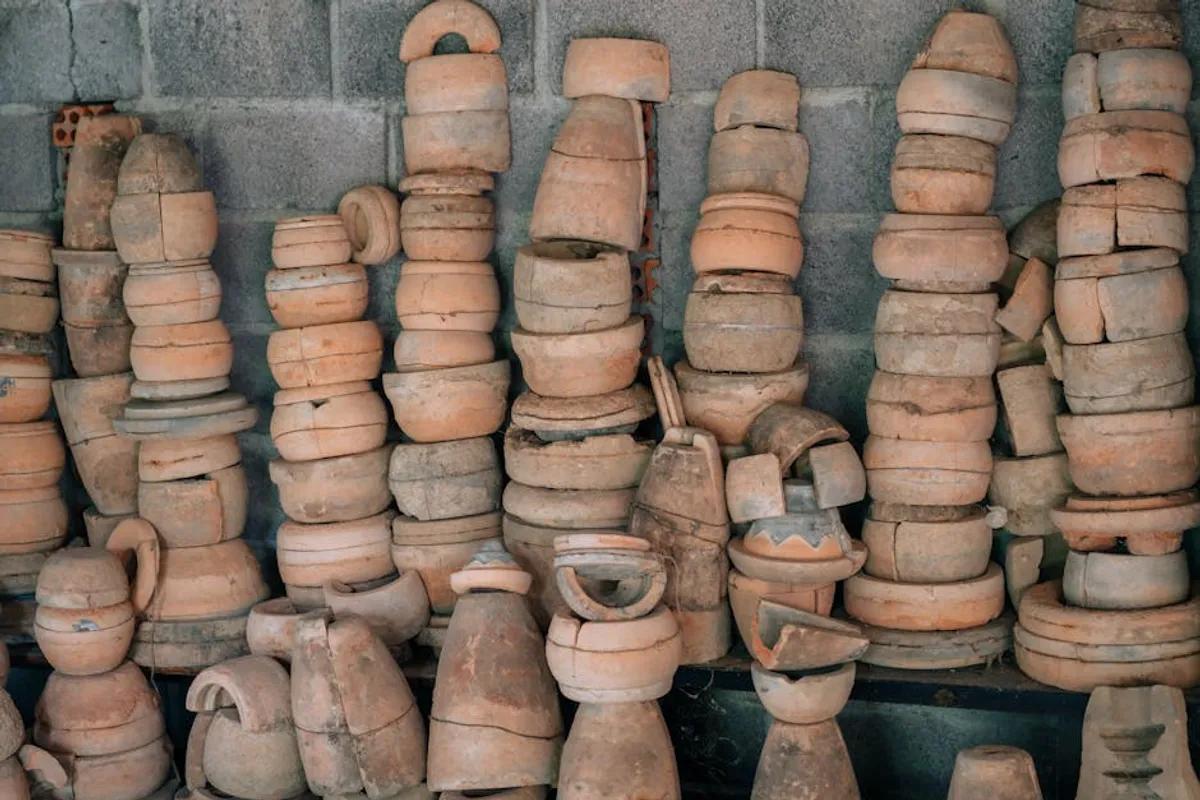
Micaceous pottery, characterized by its distinctive shimmering surface and exceptional heat retention, represents a unique intersection of art, utility, and cultural heritage. For collectors, understanding this pottery transcends mere aesthetic appreciation; it involves recognizing the deep historical roots, the specific crafting traditions, and the nuanced factors that determine its market value. This article provides a detailed examination of micaceous pottery, from its origins to the practical considerations for those looking to acquire and preserve these significant pieces.
The Enduring Material: What Defines Micaceous Pottery?
Micaceous pottery derives its name from the high concentration of mica flakes naturally present in the clay. This geological characteristic, primarily found in specific regions of the American Southwest, imparts several unique properties that distinguish it from other ceramic forms.
Physical Characteristics and Practical Advantages
The most immediate identifier of micaceous pottery is its sparkling, often golden or silvery sheen, a direct result of the mica particles. Beyond aesthetics, these particles contribute significantly to the pottery's structural integrity and thermal performance. When fired, the mica expands and contracts at a rate similar to the clay, preventing cracking and allowing the vessels to withstand direct heat over an open flame without breaking. This makes micaceous pottery exceptionally durable for cooking and daily use, a practical advantage that has been leveraged for centuries.
Key properties:
- Shimmering surface: Due to embedded mica flakes.
- Thermal shock resistance: Mica content allows for direct heat application, crucial for cooking vessels.
- Strength: Reduced brittleness compared to other unglazed earthenware.
- Unglazed finish: Typically left unglazed, relying on the mica for surface appeal and function.
Origins and Traditional Processes
The tradition of micaceous pottery is deeply rooted in the indigenous cultures of the American Southwest, particularly among Pueblo communities and the Jicarilla Apache. Potters traditionally gather clay directly from local deposits, often near riverbeds or specific geological formations rich in mica. The clay is then cleaned, processed, and hand-coiled into various forms, ranging from utilitarian cooking pots (ollas) and bean pots to ceremonial vessels and decorative pieces. Firing typically occurs outdoors in open pits or temporary kilns, using organic materials like wood or dung, which imparts a characteristic earthy finish and further enhances the mica's shimmer.
A Legacy Forged in Clay: Historical Context
The history of micaceous pottery is intertwined with the survival and cultural expression of its makers, reflecting centuries of adaptation and artistic development.
Indigenous Roots and Cultural Significance
Archaeological evidence suggests the use of micaceous clay for pottery dates back over a thousand years in the Southwest. For communities like Taos Pueblo and Picuris Pueblo, micaceous pottery is not merely a craft but a central element of their cultural identity and daily life. Historically, these vessels were indispensable for cooking, storing food, and carrying water, serving as fundamental tools in a subsistence economy. The knowledge of clay sources, processing techniques, and firing methods has been passed down through generations, making each piece a tangible link to ancestral practices and community resilience.
Evolution of Form and Function
While traditional forms remain prevalent, micaceous pottery has evolved over time. Early pieces were primarily functional, emphasizing durability and efficiency. With the advent of trade and interaction with other cultures, and later, the art market, potters began to incorporate more varied designs, decorative elements, and non-utilitarian forms. Contemporary artists continue to innovate, blending traditional techniques with modern aesthetics, yet always respecting the inherent properties and cultural significance of the micaceous clay itself. This evolution showcases both continuity and dynamic artistic expression.
Pro Tip for Collectors: When evaluating micaceous pottery, pay close attention to the consistency of the mica distribution and the firing quality. A well-fired piece will exhibit a uniform shimmer and a resonant sound when lightly tapped, indicating structural integrity. Irregularities can suggest less experienced craftsmanship or potential fragility.
Assessing Value: Key Factors for Collectors
The collector value of micaceous pottery is determined by a combination of factors that reflect its artistry, history, and market demand. Understanding these elements is crucial for informed acquisition.
Artist Provenance and Signature
Pieces by renowned or historically significant potters typically command higher prices. Researching the artist's background, their contributions to the craft, and any awards or museum exhibitions can significantly impact a piece's value. Many contemporary potters sign their work, while older pieces might be identified through characteristic styles or family traditions. Documented provenance, such as a clear chain of ownership, adds credibility and value.
Condition and Integrity
The physical condition of a piece is paramount. Pottery that is free from cracks, chips, or significant repairs will always be more valuable. Minor surface wear consistent with age and use is often acceptable for older utilitarian pieces, but any structural damage diminishes collector appeal. Careful inspection for restoration work is essential, as even expertly repaired pieces are generally valued less than those in original, pristine condition.
Rarity and Historical Period
Older pieces, particularly those from the late 19th or early 20th century, often hold greater historical significance and rarity, contributing to higher valuations. Pieces from specific periods of artistic innovation or those representing a unique form or technique can also be highly sought after. Limited edition works or pieces by artists with a small output will also be rarer and potentially more valuable.
Authenticity and Ethical Sourcing
Verifying the authenticity of micaceous pottery is critical. This involves confirming the clay source, the traditional techniques used, and the artist's identity. Ethical sourcing is also a growing concern for collectors, emphasizing the importance of purchasing from reputable galleries, direct from artists, or through established dealers who can provide clear provenance and ensure fair compensation to the makers. Avoid sources that cannot provide clear details about the piece's origin.
Preserving Your Investment: Care and Display
Proper care ensures the longevity and sustained value of micaceous pottery.
Handling and Cleaning
Micaceous pottery, while durable, is still earthenware. Handle pieces carefully, avoiding sudden impacts. For cleaning, use a soft, dry brush to remove dust. For more stubborn dirt, a damp cloth with plain water can be used sparingly, but avoid harsh detergents or abrasive materials that could damage the unglazed surface or dull the mica sheen. Ensure the piece is thoroughly dry before storing or displaying.
Environmental Considerations
Display micaceous pottery in stable environments, away from direct sunlight, extreme temperature fluctuations, or high humidity. Direct sunlight can potentially fade colors or cause thermal stress over long periods. High humidity can encourage mold growth, while extreme dryness might lead to subtle cracking over many years, especially in older pieces. A stable, indoor environment is ideal.
Navigating the Acquisition Landscape
For collectors, approaching the market for micaceous pottery requires diligence and an appreciation for its cultural context. Seek out established Native American art galleries, reputable auction houses specializing in ethnographic art, and direct purchases from Pueblo or Jicarilla Apache artists at cultural events or online platforms. Engaging with knowledgeable dealers who prioritize ethical sourcing and provide detailed provenance will enhance both the collecting experience and the long-term value of your acquisitions. Prioritize education and build relationships within the collecting community to make informed decisions.
Frequently Asked Questions About Micaceous Pottery
What makes micaceous pottery distinct from other Native American pottery?
Its primary distinction is the natural mica content in the clay, which gives it a shimmering surface and exceptional thermal shock resistance, allowing it to be used for direct-heat cooking.
Can micaceous pottery still be used for cooking?
Yes, traditionally made and fired micaceous pottery is highly functional for cooking directly over heat sources. However, collectors often reserve valuable or antique pieces for display.
How do I identify authentic micaceous pottery?
Authenticity is often verified by the presence of natural mica flakes, traditional hand-coiling techniques, and firing methods. Provenance from a specific Pueblo or Jicarilla Apache community and artist signature (if contemporary) are also key indicators.
What is the typical price range for micaceous pottery?
Prices vary widely based on artist renown, age, size, condition, and complexity of design. Contemporary pieces by emerging artists might start from a few hundred dollars, while significant historical pieces or works by master potters can command thousands or tens of thousands.