
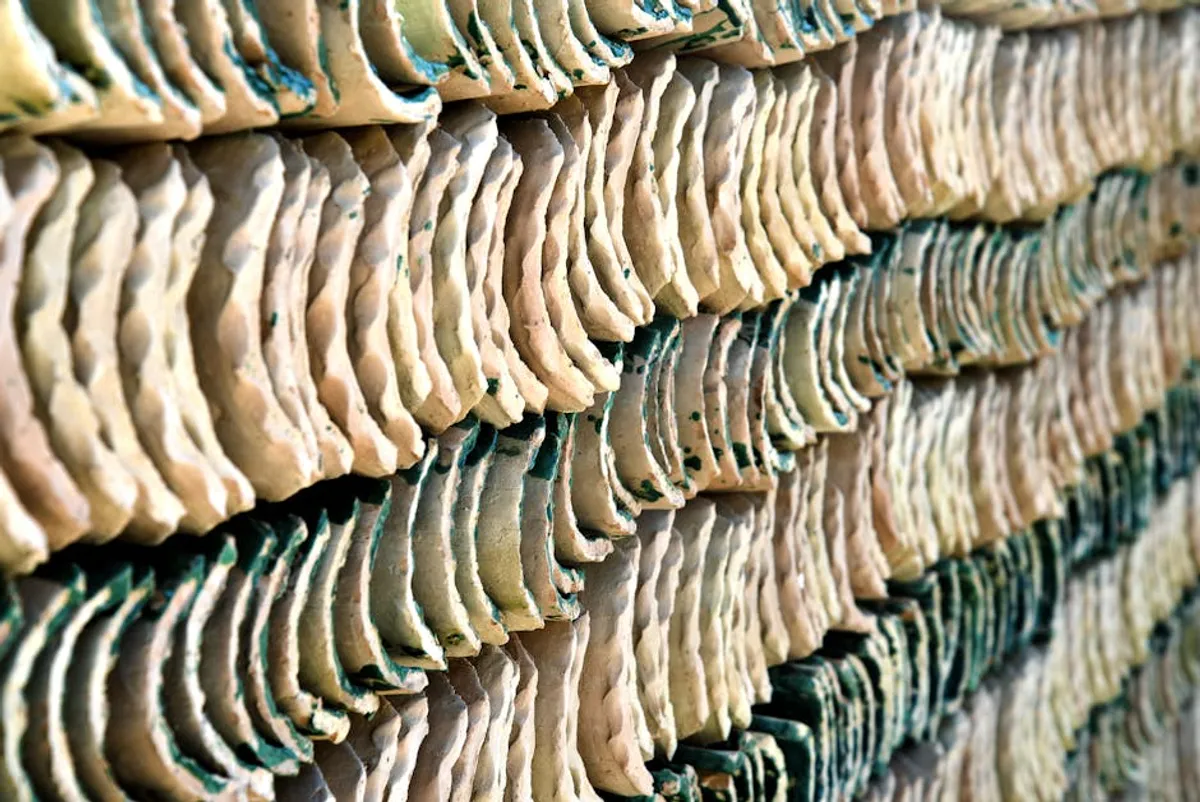
Corrugated pottery represents a distinct and historically significant ceramic tradition, primarily associated with pre-Columbian cultures of the American Southwest and Mesoamerica. For archaeologists, collectors, and enthusiasts, understanding its origins and precise identification methods is crucial for accurate dating, cultural attribution, and preservation. This distinctive pottery, characterized by its textured, often finger-impressed surface, offers direct insight into ancient manufacturing techniques, artistic expression, and daily life. Identifying a piece involves recognizing specific patterns, clay compositions, and contextual markers that define its cultural lineage and period of creation.
Historical Trajectories of Corrugated Pottery
The development of corrugated pottery emerged as a utilitarian ceramic tradition, driven by functional needs rather than purely aesthetic ones. Its origins trace back primarily to the Ancestral Pueblo (Anasazi) cultures in the American Southwest, appearing around 700-900 CE and persisting through the Pueblo III period (circa 1150-1300 CE). While most prominent among the Ancestral Pueblo, variations of corrugated techniques also manifested in other cultural groups, including the Mogollon and some Hohokam traditions, often adapted to local clay resources and cultural practices.
Early forms of corrugation were simple, often involving pinching the coils of clay as the vessel was built. Over centuries, these techniques evolved, yielding increasingly complex and decorative surface treatments. The textured surface provided practical benefits, enhancing grip and potentially improving heat retention and dissipation when used for cooking. This functional aspect underscores why corrugated ware often comprises cooking pots, storage jars, and serving bowls, integral to daily existence in ancient communities.
Manufacturing Techniques and Distinctive Characteristics
The defining feature of corrugated pottery is its exterior surface, which retains the marks of the coiling process used to build the vessel. Potters constructed these pieces by stacking coils of clay, then manipulating the exterior of each coil before it was smoothed on the interior. This manipulation created the characteristic ridges and indentations. The specific method of corrugation varied significantly, offering key identification markers:
- Plain Corrugation: The most basic form, where coils are simply pinched and left unsmoothed, creating horizontal ridges.
- Indented Corrugation: Each coil is pinched and then pressed inward with a thumb or finger at regular intervals, creating a series of vertical or oblique indentations along the horizontal coil.
- Pattern-Indented Corrugation: More elaborate forms where indentations are arranged in specific patterns, such as herringbone, zigzag, or interlocking designs, showcasing greater artistic intent and skill.
- Obliterated Corrugation: The coils are initially corrugated, but then partially or fully smoothed over, leaving only faint traces of the original texture. This can sometimes be confused with plainware if the smoothing was extensive.
Beyond surface texture, other manufacturing details aid identification. The clay body itself, including its color and the type of temper used (e.g., crushed sherds, sand, volcanic ash), is a critical indicator of origin. Firing conditions, often open-air and relatively low-temperature, also influenced the final color and hardness of the pottery, ranging from gray to brown to reddish hues depending on oxygen levels during firing and the iron content in the clay.
Pro Tip: When examining corrugated pottery, pay close attention to the rim and base. Rim forms can vary from simple rounded edges to elaborately thickened or everted lips, often specific to certain time periods or cultural groups. Base shapes, whether flat, rounded, or slightly concave, also provide diagnostic clues. These details, combined with corrugation style, create a more complete identification profile.
Strategies for Accurate Identification
Identifying corrugated pottery requires a systematic approach, combining visual assessment with contextual knowledge. Begin by examining the primary corrugation style, noting the regularity, depth, and pattern of the indentations. Is it plain, indented, or pattern-indented? Are the coils clearly visible, or have they been partially obliterated?
Next, inspect the clay body. Observe the color of the paste, both on the surface and any exposed cross-sections (e.g., a broken edge). Identify the type and size of temper particles. Sand temper indicates one region, while crushed sherd temper (sherd temper) points to another. These attributes are often specific to particular cultural traditions and even specific pottery-producing centers.
Consider the vessel form. Is it a jar, bowl, or specialized shape? The function of the vessel often correlates with its form and the type of corrugation applied. For instance, cooking jars frequently exhibit robust, often indented corrugation for better handling and heat distribution.
Finally, contextual information is invaluable. If the pottery has a known provenance, understanding the archaeological site, associated artifacts, and cultural layers can significantly narrow down identification. Without provenance, identification relies solely on stylistic and material analysis, which can be more challenging but still achievable with sufficient comparative knowledge.
Practical Identification Steps for Corrugated Ware
For those seeking to identify a piece of corrugated pottery, a structured approach maximizes accuracy. First, photograph the piece from multiple angles, capturing close-ups of the corrugation, rim, and any interior features. Second, research known corrugated pottery types from the American Southwest and Mesoamerica, focusing on published archaeological reports and museum collections. Compare your piece's corrugation style, clay color, and temper with documented examples. Pay particular attention to regional variations in technique and form. Third, consult with experts—archaeologists specializing in ceramic analysis or reputable cultural heritage institutions—who can provide informed opinions based on their extensive knowledge of diagnostic traits. Ethical considerations regarding provenance and ownership are paramount when dealing with archaeological artifacts; ensure any piece is handled and identified responsibly.
Frequently Asked Questions About Corrugated Pottery
What is the primary function of corrugated pottery?
Corrugated pottery was primarily utilitarian, serving as cooking pots, storage jars, and serving vessels. The textured surface provided a better grip and potentially enhanced thermal properties for cooking.
Which ancient cultures are known for producing corrugated pottery?
The Ancestral Pueblo (Anasazi) cultures of the American Southwest are most renowned for corrugated pottery, with variations also found among the Mogollon and some Hohokam traditions.
How can I distinguish between different types of corrugation?
Distinctions are made by observing how the coils were manipulated: plain corrugation shows simple unsmoothed coils; indented corrugation features regular finger presses; and pattern-indented corrugation displays organized designs like herringbone or zigzag.
Is corrugated pottery valuable?
The value of corrugated pottery is primarily archaeological and historical. Legally acquired pieces with documented provenance can hold monetary value for collectors, but ethical concerns and legal restrictions surrounding the sale of archaeological artifacts are significant.