Native American Coral Jewelry: Buyer’s Guide
This buyer's guide for Native American coral jewelry covers authentication, material types, craftsmanship, and ethical sourcing to ensure informed purchases.
Page 11 of 28 332 articles total
This buyer's guide for Native American coral jewelry covers authentication, material types, craftsmanship, and ethical sourcing to ensure informed purchases.
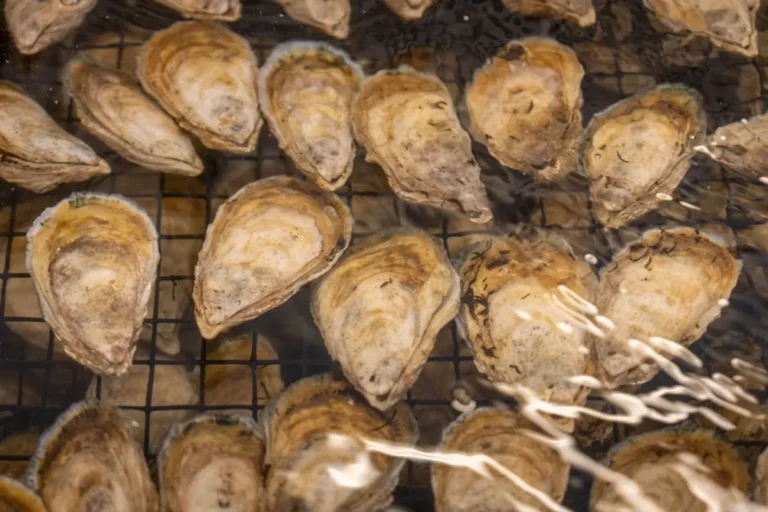
Discover the distinct meaning, vibrant colors, and key factors influencing the value of spiny oyster jewelry.
Understand the famous turquoise mines of the American Southwest, their unique characteristics, and commercial impact.
Understanding turquoise grades involves evaluating color, matrix, treatment, origin, and size.
Learn how to identify fake turquoise jewelry by understanding natural characteristics, common imitations, and practical inspection methods.
Learn to differentiate real turquoise from common fakes and treatments with this complete guide, covering visual, tactile, and chemical identification methods.
Learn to distinguish howlite from turquoise by examining color, matrix, luster, hardness, and density to make informed purchasing decisions.
Understand reconstituted turquoise composition, how it differs from natural stone, its commercial applications, and essential buying considerations to ensure.
Learn to identify dyed turquoise by examining color consistency, surface texture, matrix infiltration, and porosity.
Understand the critical differences between natural and stabilized turquoise, impacting durability, appearance, value, and care for informed selection.
Determining whether blue or green turquoise is more valuable involves assessing rarity, origin, matrix, and treatment, not just color.
Turquoise matrix, the host rock intertwined with the gemstone, critically influences its value, authenticity, and aesthetic appeal.